The Death of the Sovereign Guarantee
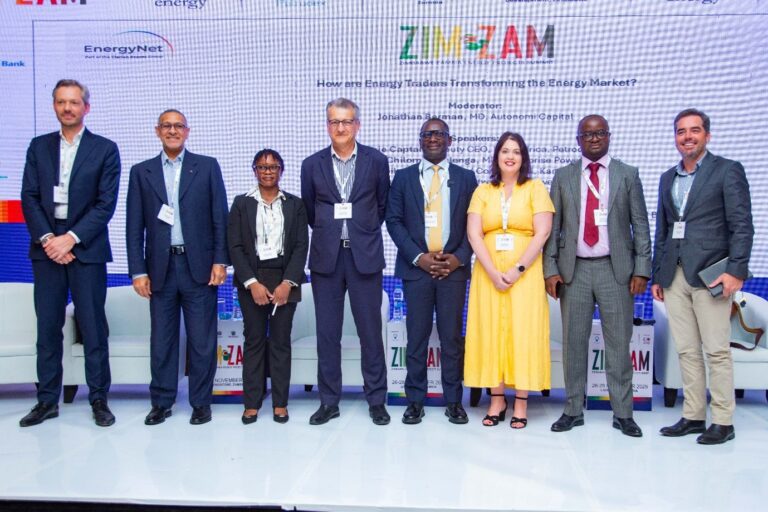
Jeannette Ilunga, Africa Works, LUSAKA | Friday 28 November, 2025 — The sovereign guarantee is dead. Across Southern Africa, the financing structure that powered a generation of electricity projects has collapsed under utility insolvency and government debt distress. Yet new power plants are still getting built and financed. The money is flowing through an entirely different channel—one anchored by private traders rather than state monopolies, and backed by prepayments rather than sovereign promises. This was the central reality explored during a panel discussion on day three of the ZimZam Energy Summit in Livingstone at the Raddison Blu Moso-Oa-Tunya Hotel, where financiers, generators, and traders dissected the transformation reshaping energy project finance across the region.
When the Bills Stop Coming
At Lunsemfwa Hydro, Mr. Alpha Mwale learned quickly that the shift to an open market was less about compliance and more about keeping the company alive. Under the old model, generators produced power and then played a waiting game that could stretch for months.
“When we had the single buyer model, if he doesn’t pay, then you are stuck,” Mr. Mwale explained, his frustration with the old system still evident. “You just have to keep on chasing for the invoices.”
The new arrangement inverts that dynamic entirely. Traders enter with cash up front, purchasing power before turbines even spin. What they have brought, Mr. Mwale noted, is liquidity—the lifeblood that allows generators to focus on generation rather than collections. The flexibility extends well above payment terms to pricing and contract tenure, creating arrangements that respond to market conditions rather than calcifying around decade-old assumptions about tariff structures and off taker creditworthiness.
The Bankers Learn a New Language
For development finance institutions accustomed to the old certainties, the adjustment has required more than policy tweaks. Mr. Fedde Zwarte at FMO- a Dutch Development Bank described the challenge with the openness of someone who has watched an entire financing paradigm crumble. Development Finance Institutions (DFIs) have traditionally centred their work around utility-backed power purchase agreements reinforced by sovereign guarantees.
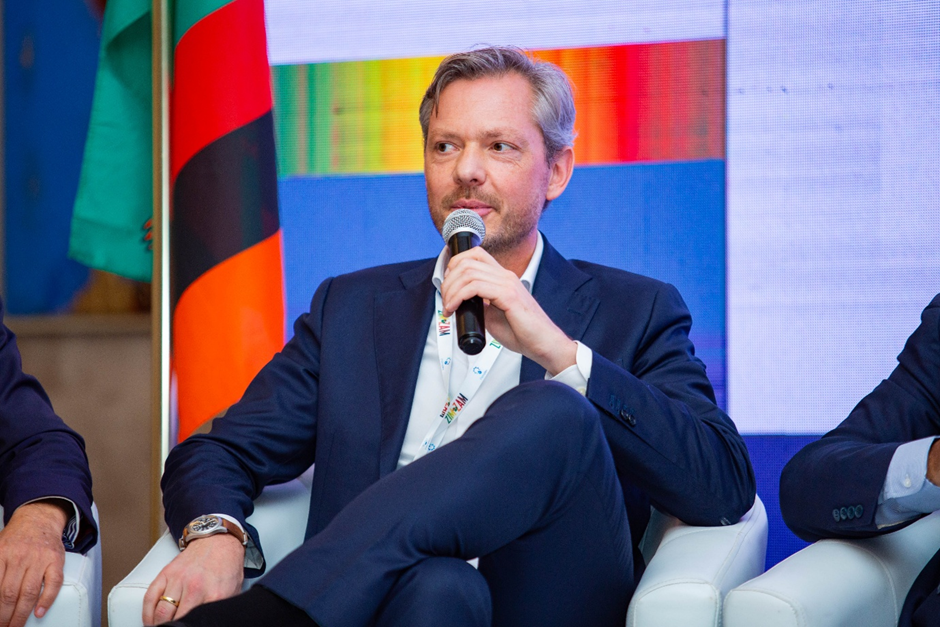
“But these PPAs are becoming more and more scarce,” Mr. Zwarte said, pausing before adding the harder truth, “Or even impossible to obtain.” The problem is not that governments refuse to provide guarantees—it is that those guarantees no longer carry the weight they once did.
FMO’s financing of Eluta marked a threshold crossing. It was their first genuine trader PPA, structured with repayment flexibility that reflected market realities rather than conventional amortisation schedules. The move certified something crucial: that bankability could exist without government backstops. “The trader model unlocks real bankability for a lot of projects,” Mr. Zwarte observed, warming to the implications, “Because you don’t have to deal with the single off taker. There’s always other options.”
Commercial banks followed the development finance institutions into this terrain. Standard Bank has financed over fifteen generation projects selling to traders in the past 12 to 18 months alone. Ms. Sherrill Byrne, speaking for the bank, acknowledged that the shift demanded a different analytical framework. Traders operate with asset-light balance sheets, which means traditional security structures do not apply. What has emerged instead is the payment security structure—mechanisms that lock in cash flows at the source rather than relying on counterparty balance sheets.
Geography matters here, Ms. Byrne emphasised. In Zambia and Zimbabwe, traders have access to the Southern African Power Pool (SAPP) as a fallback market, which fundamentally alters risk calculations.
“That’s part of the reason why we can be a bit more flexible on our side on the level of payment security,” she noted. South African traders, lacking that regional safety valve, face different terms entirely.
When Price Risk Kicks the Door Open
The old model had many flaws, but price certainty was not among them. Long-term PPAs with fixed tariffs insulated both generators and lenders from market volatility, but trader-backed arrangements dismantle that insulation. Mr. Zwarte identified price risk as perhaps the most significant new variable that participants must now manage, leaning forward as he explained the challenge. Power prices can spike or collapse, and markets in other regions have already demonstrated that zero or even negative pricing is possible during periods of oversupply.
Managing this volatility requires sophistication that many project developers have not previously needed. Mr. James Cumming the CEO at Anthem described the response as specialisation—letting generators focus on their comparative advantage in development, delivery, and operations, while traders develop retail markets and manage commercial risk. “Developing ourselves as wholesalers,” Mr. Cumming explained, his tone pragmatic, “While traders develop a more retail market.”
Yet specialisation introduces its own tensions. Traders need flexibility to survive market shifts, but lenders financing generation projects want long-term certainty. Mr. Monie Captan, Deputy CEO at West Africa Petrodex articulated this bind “As a trader we need flexibility because we need to adapt to changes in the market,” Mr. Captan said. “That’s a risk for us because when we go to lenders, they’re not comfortable with that business model. They want to see more long-term arrangements.” He paused, then added flatly: “But we’re not a generator.”
The misalignment is not fatal, but it does require constant negotiation between parties with genuinely different time horizons and risk tolerances.
Capital Without Sovereignty
What makes this transformation possible is the desperation that is meeting opportunity. Utilities across Southern Africa cannot pay their bills, and governments cannot credibly guarantee those payments. Forget policy blueprints—the trader model materialised the moment capital started looking for a way out of the wreckage and found a route around insolvency.
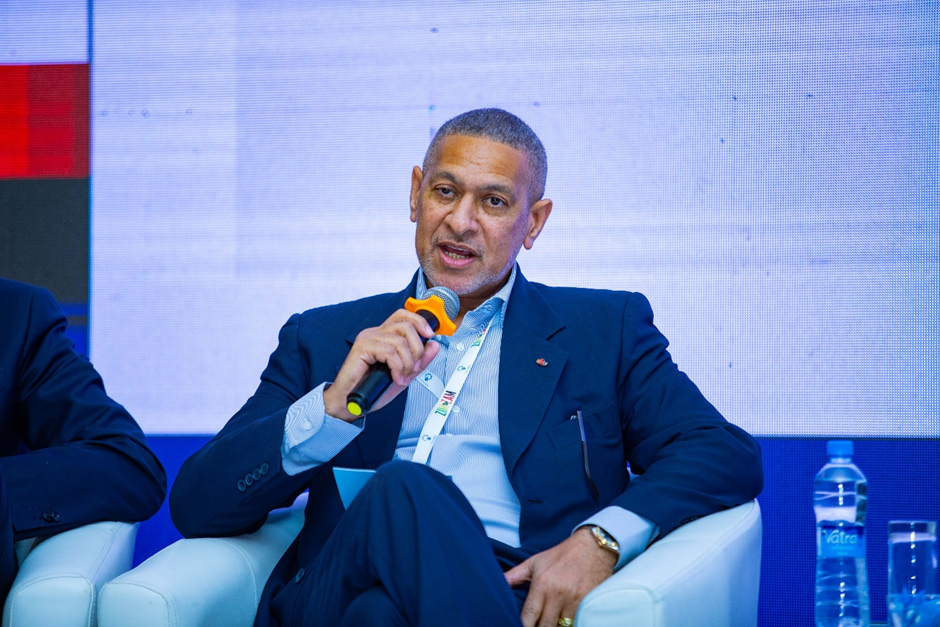
Mr. Cumming raised a cautionary note that deserves attention, speaking as someone managing pension fund capital. Anthem’s business is funded by long-term pension funds and similar institutional capital. These investors have decades-long obligations and cannot afford to chase returns through excessively clever financial engineering. “If everyone pushes too hard on innovative structures,” he warned, his voice taking on an edge, “It’s going to be the IP and the lender that’s sitting with the risk.” Prudence remains relevant even as the financing architecture transforms. The shift from sovereign guarantees to trader prepayments is not without costs. Generators accept shorter contract tenures and exposure to price volatility. Lenders build new analytical frameworks and accept different security packages. Traders shoulder commercial risks that utilities once absorbed (or more accurately, failed to absorb before defaulting).
But these costs are the price of functionality. Projects that would have remained on drawing boards under the old model are now operating and delivering power. Money that would never have flowed through state utilities is reaching generators directly. The system works—not perfectly, not elegantly, but tangibly.
Southern Africa’s energy sector has learned to finance itself without waiting for governments to regain creditworthiness or utilities to become solvent. That lesson, once learned, does not get unlearned. The sovereign guarantee is not coming back, and the region is finding it does not need to.
Article provided by Financial Insight Zambia