Why Kenya is yet to properly unlock its renewable energy potential
By Evans Ongwae
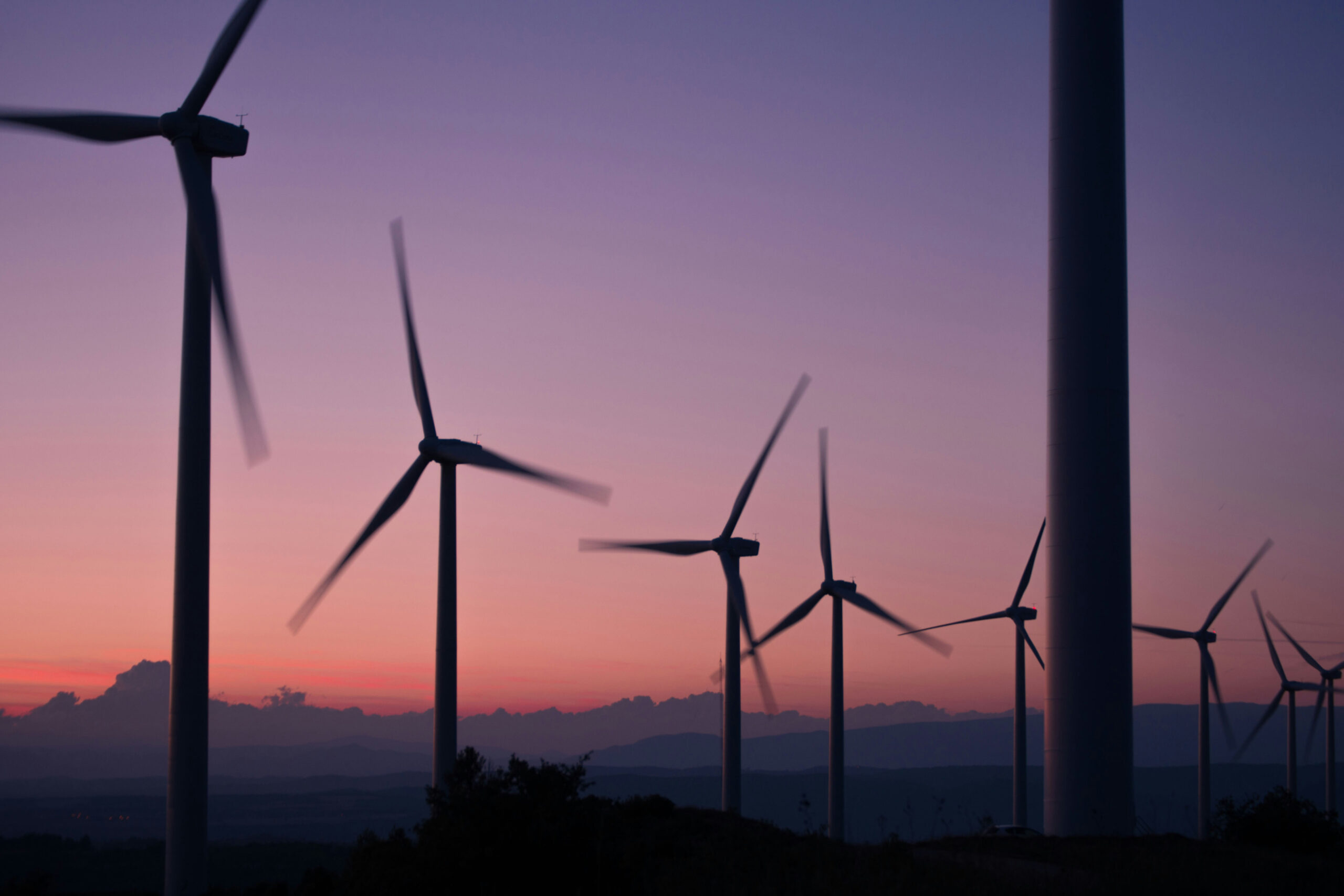
An analysis by the International Energy Agency (IEA) titled ‘Kenya 2024 Energy Policy Review’, acknowledges that the country has a diverse electricity mix. It states that nearly 90 percent of Kenya’s power generation arises from renewable sources, including geothermal (47 percent), hydro (21 percent), wind (16 percent) and solar (4 percent).
Still, according to the Kenya Renewable Energy Association (KEREA), Chief Executive Officer Ms Cynthia Muhati, the country has barely scratched the surface of its renewable energy potential. This is despite leading other African countries in the generation of electricity from green sources.
KEREA believes that accelerating uptake requires coordinated and decisive action across all sectors. The agency further notes that geothermal, solar, wind and hydropower are increasingly prominent in the mix, mainly used for electricity generation.
IEA adds that in the past, progress in renewable energy generation was guided by a feed-in tariff programme, which has since 2021 been evolving into an auction scheme under the Renewable Energy Auction Policy to attract investment in larger projects.
KEREA CEO argues that Kenya has the resources, knowledge, and capacity to lead in renewable energy. However, progress is being held back by fragmentation, inefficiency, and slow execution.
The association subsequently calls for renewable energy to be treated as a national economic priority. Moving forward requires a clear shift from discussion to action: Fewer conferences, more projects, and a sustained commitment to implementation. Only then can the country fully realise its potential.
While there has been visible focus on solar, challenges persist, particularly around taxation, standards, and administrative processes.
At the same time, high-potential areas such as biogas, bioenergy, carbon markets, and green hydrogen remain significantly underdeveloped. Adoption is hindered by high upfront costs, limited consumer awareness, and insufficient policy and regulatory support.
Capacity gaps at the county level further compound the issue, as energy is often not treated as a distinct and strategic sector. The potential exists, but execution remains the key constraint.
KEREA suggests several solutions to address the slow uptake of renewable energy.
First, regulatory and administrative processes must be streamlined. The current system is fragmented, featuring multiple agencies, overlapping mandates, and lengthy approval timelines. Establishing a one-stop-shop for licensing and compliance is advised.
Second, consumer awareness must be strengthened. The market remains supply-driven, with developers pushing adoption instead of responding to strong consumer demand. Public education and accessible financing solutions are essential to shift this dynamic.
Third, governance challenges and vested interests must be addressed. Inefficiencies, lack of transparency, and resistance to change continue to slow progress and discourage investment.
Fourth, targeted support for SMEs and local enterprises is necessary to promote inclusive growth and reduce overreliance on externally backed firms. Early-stage government support can help build sustainable local capacity.
Fifth, county governments must be strengthened through technical expertise and better integration of energy into local development planning. Each region has distinct renewable energy opportunities that remain underutilised.
Finally, the sector must transition from dialogue to implementation. The challenges are well known. What is required now is execution, delivery, and measurable results.
“Renewable energy is not optional,” says Ms Muhati. “It is central to Kenya’s economic future. KEREA’s position is clear: The country must accelerate deployment, remove regulatory barriers, and create a stable, investment-ready market. Renewable energy should be treated not only as an environmental priority, but as a key driver of economic growth, energy security, and industrial development.”
A joint report by German’s Federal Ministry for Economic Cooperation and Development and the International Renewable Agency (IRENA), observes that much of Africa is still investing in energy from fossil fuels. “A change of direction is needed in the energy sector. By harnessing the potential of renewable energy, Africa’s young, dynamically growing economies can ensure energy supply is generated in line with international climate goals,” states the report.
The report is titled ‘The Renewable Energy Transition in Africa Powering Access, Resilience and Prosperity’. It notes that technology developments, falling costs for renewable energies, innovative approaches, network effects and digitalisation, are opening new opportunities and making an indisputable business case for renewables. With abundant indigenous resources, Africa is well placed to leverage this potential.