How Outdated Credit Assessments Strangle Africa’s Energy Revolution
Gerald Hamuyayi, Lusaka, Saturday, 29 November, 2025 – The payments arrive like clockwork, every month, on schedule, in full. Yet the project remains classified as unbankable. International financiers examine balance sheets from state utilities and recoil, deploying risk premiums that make commercial lending impossible. Meanwhile, independent power producers across Zimbabwe and Zambia operate profitably, receive their contracted revenues without delay, and watch puzzled as international capital markets ignore the evidence unfolding before them.
This absurd contradiction has frozen billions in potential investment and created an energy financing paradox: the sector performs, the off-takers pay, but the money refuses to flow. As Zambia races towards an ambitious three million tonnes of annual copper production, the nation discovers that outdated perceptions about African credit risk pose a greater threat than any technical challenge. The mathematics of energy demand are simple and brutal. Achieving mining sector targets requires massive baseload generation capacity, yet financial institutions still rely on term sheets drafted twenty years ago when regional utility performance bore no resemblance to current operational reality.
The Economic Imperative
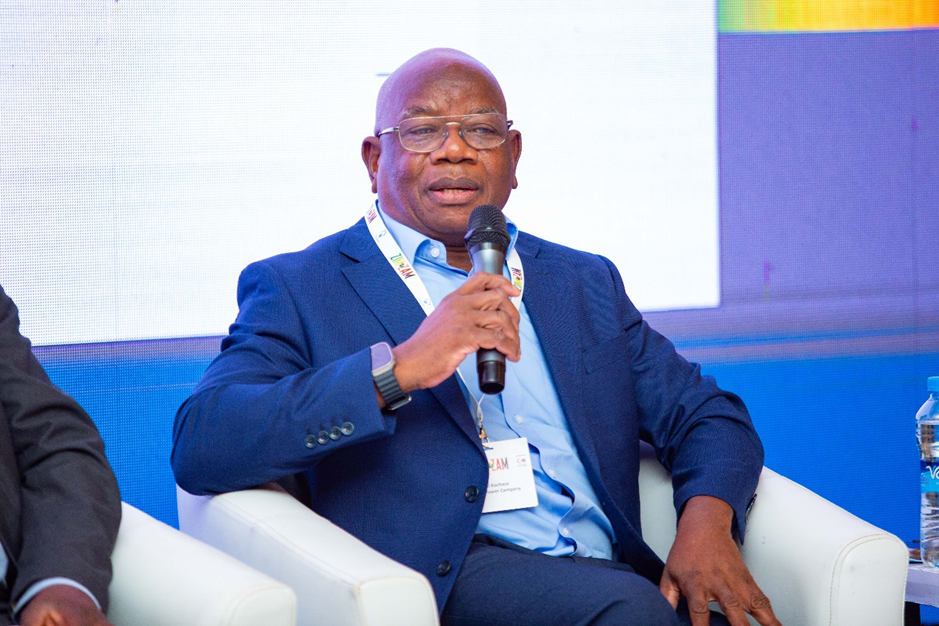
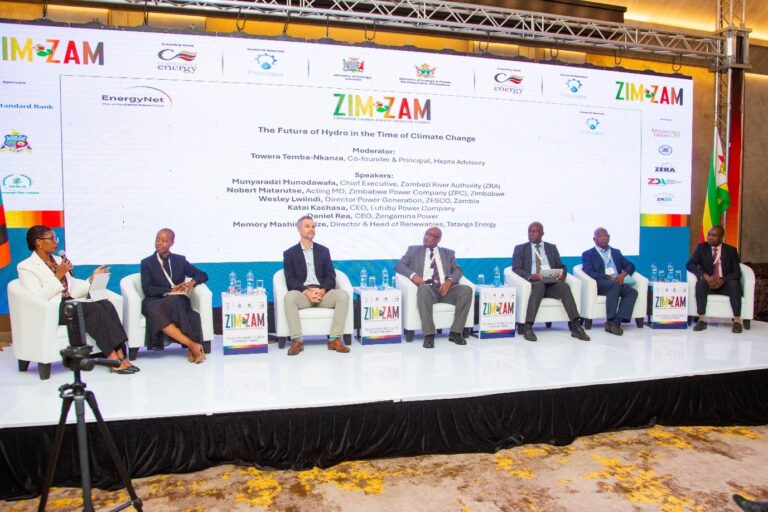
Mr Katai Kachasa, CEO of Lufubu Power Company, articulates the scale of demand confronting Zambia and the region. “As Zambia, we are projecting to get to 3 million tonnes of copper,” he explains, emphasising that this production target creates non-negotiable electricity requirements. Mining operations cannot function on intermittent supply or tolerate frequent outages. Smelting, refining, and processing demand consistent, reliable power measured in hundreds of megawatts per facility. “Good quality baseload is an imperative for our region,” Mr Kachasa notes, linking energy availability directly to national economic ambitions.
Copper production at this scale would transform government revenues, create thousands of direct and indirect jobs, and position Zambia as a critical supplier in global electrification and renewable energy supply chains. Battery production, electric vehicle manufacturing, and power infrastructure worldwide depend on stable copper supply. Yet achieving these targets requires electrical capacity that currently does not exist, and financing that capital has become the sector’s defining challenge.
The Roadblock Exposed

Ms Towera Temba-Nkanza poses the question that haunts every energy planning conference in the region: “What is preventing us from moving forward with all this information that has not just come six months before, but may have been available years back? What is preventing us? What needs to change?” Her frustration reflects a broader industry exasperation with the gap between identified opportunities and executed projects.
Mr Kachasa did not hold back at the financiers. “The financiers are the only ones who have not been developing sufficiently,” he observes. “They still look at the term sheet which they looked at 20 years ago.” Whilst technology has advanced, project structures have improved, and operational track records have strengthened, international lenders continue applying risk frameworks from an era when African utility performance was genuinely problematic. “Financial difficulties of the national utility does not mean financial difficulties of the sector,” Mr Kachasa emphasises. “And it does not mean financial difficulties of the country.”
This distinction proves critical. Independent power producers operate under separate contractual arrangements, often with currency protections, sovereign guarantees, or dedicated revenue streams that insulate them from utility balance sheet problems. Yet financiers conflate utility creditworthiness with sectoral viability, imposing financing constraints that bear no relationship to actual project risk profiles.
Balance Sheet Realities and Mismatched Terms
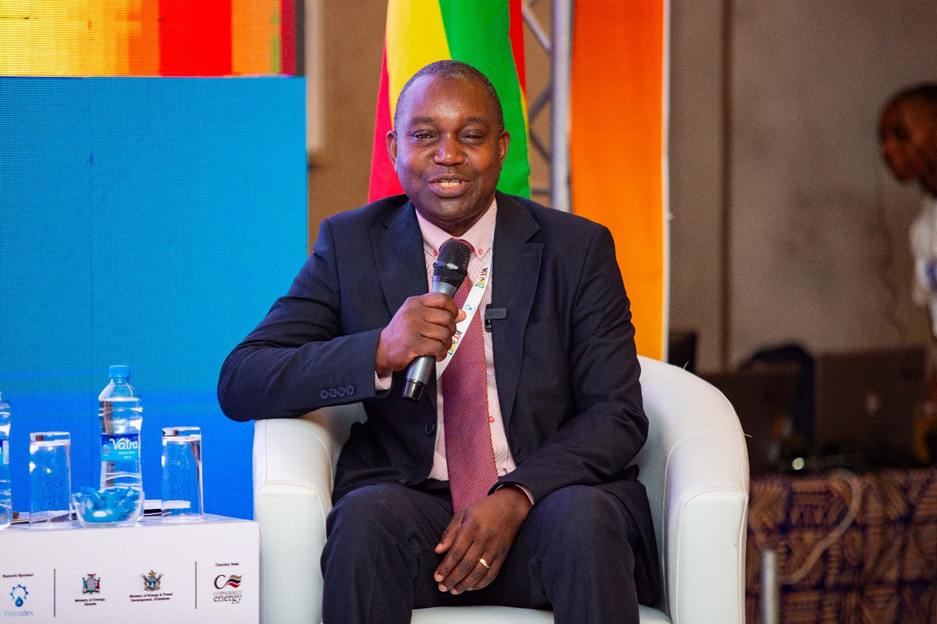
Mr Wesley Lwiindi, Director, Hydropower Projects at ZESCO, acknowledged that “the major issues have also been issues around the balance sheet.” Since 2021, the utility has worked systematically to clean up its financial position, addressing legacy debt and improving operational efficiency. Progress has been substantial, yet perception lags reality in capital markets that move slowly to reassess previously distressed borrowers.
Debt structure compounds the problem. “One of the major issues that we have had when we go out seeking debt,” Mr Lwiindi explains, “is where you find lenders that want to give short-term loan facilities maybe maximum 10 years.” Power infrastructure projects require 20 to 25-year amortisation periods to match asset lifespans and revenue generation timelines. Forcing utilities to service generation investments on 10-year schedules creates impossible debt burdens and guarantees financial distress regardless of operational performance.
Currency mismatches create parallel obstacles. Ms Memory Mashingaidze, Director and Head of Renewables at Tatanga Energy, describes how her company “funded our project through equity, so it was entirely equity funded.” The decision stemmed from structural financing problems rather than preference. “We have a mismatch in currency,” she notes. “We need US dollar investment in these projects” whilst revenues flow in local currency subject to exchange rate volatility. Traditional project finance structures cannot accommodate this risk acceptably to international lenders, forcing developers either to abandon projects entirely or pursue expensive equity-only capitalisation.
Performance Versus Perception
Ms Mashingaidze delivers testimony that should fundamentally alter risk assessments. “The perceived risk of the off-taker Zimbabwe Electricity Transmission and Distribution Company (ZTDC) I think is perceived because our experience has been ZTDC has been a really good partner for us. We have been paid on time.” Her solar facility operates profitably, meets all contractual obligations, and receives prompt payment from the Zimbabwean transmission company that financiers deemed too risky to support with commercial lending.
Similar performance data exists across multiple projects and jurisdictions throughout the region. Utilities that supposedly cannot honour contracts continue making scheduled payments. Independent power producers that supposedly face existential off-taker risk operate in the black year after year. Yet this evidence fails to penetrate financial institutions whose risk models remain anchored to historical datasets that no longer reflect current operations.
Social Transformation Foregone
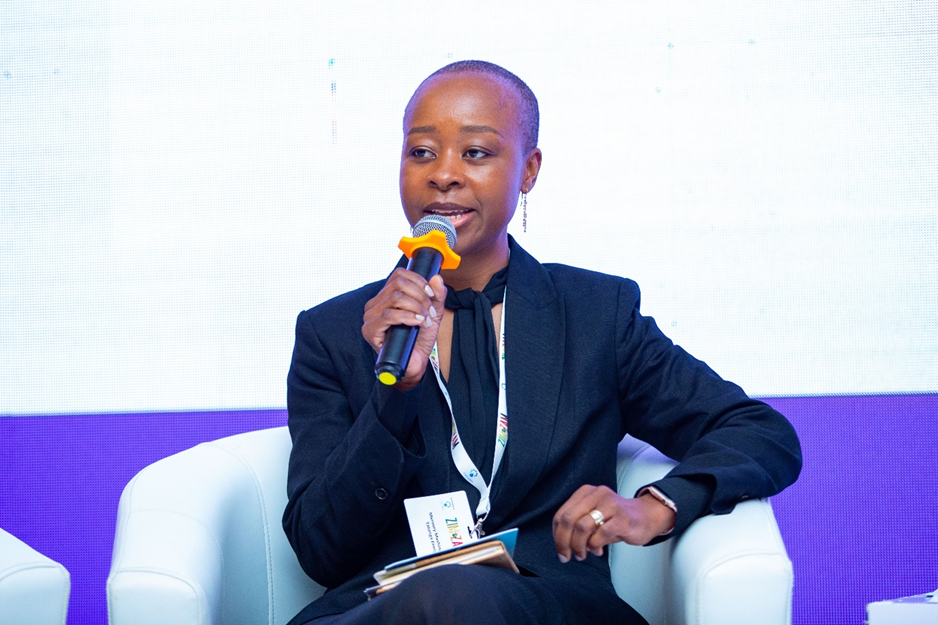
The human cost of this financing paralysis extends far beyond kilowatt-hours not generated. Ms Mashingaidze describes employing “about 600 people during construction, almost 80% of these were from Mashonaland province, and during operations now we are also employing quite a few, almost 50% of our staff are from Mashonaland.” Energy projects create immediate construction employment, permanent operational jobs, and catalyse broader economic activity in surrounding communities.
Multiply this impact across dozens of stalled projects and the scale of foregone development becomes staggering. Thousands of potential construction jobs never materialise. Hundreds of permanent positions remain uncreated. Mining expansions that would employ thousands more cannot proceed without reliable power. Poverty reduction targets slip further from reach whilst financiers in distant capitals apply risk premiums divorced from operational reality.
An audience member raises a provocative alternative during one discussion: “How do we generate power funding from the public where we saw it in Ethiopia? We cannot keep trying to look for money elsewhere where every member of our population, should we contribute $10 each, we will raise billions.” The suggestion points towards domestic capital mobilisation models that could bypass international financing gatekeepers entirely, though implementing such schemes requires regulatory frameworks and public trust that take years to establish.
The perception trap tightens with each project cycle. Developers present bankable opportunities backed by proven technology, willing off-takers, and documented payment histories. Financiers decline participation based on macro assessments that ignore micro realities. Projects fail to proceed. Energy shortages worsen. Economic growth stalls. And the cycle reinforces itself, validating risk perceptions that careful analysis would reveal as obsolete. Breaking this pattern requires financial institutions to examine current evidence rather than historical prejudice, and governments to demonstrate that sectoral performance has fundamentally improved from the troubled years that still dominate lending models. Until that shift occurs, Southern Africa’s energy revolution will remain hostage to spreadsheets compiled decades ago.
Article provided by Financial Insight Zambia