
Transmission Lines Boom When Prices Reflect Reality
Gerald Hamuyayi, Lusaka, Saturday, 29 November, 2025 – Transmission can be a business. Investors will finance interconnectors if prices reflect costs and off-takers demonstrate the ability to pay. This paradigm shift to accepting that somebody other than the utility might own and maintain the wires, challenges decades of orthodoxy in African energy planning. Yet the arithmetic remains inescapable: government balance sheets and development finance combined cannot deliver the twenty-four trillion dollars the world requires for transmission by 2050. Innovation must replace convention, or the grids remain incomplete.
The Balance Sheet Crisis
Government balance sheets and development finance institution funding prove insufficient for the scale of transmission investment required. James Mackay, the panel moderator and Chief Executive Officer of the Energy Council of South Africa, noted this fundamental constraint. The private sector must step forward, yet the infrastructure to channel commercial capital remains largely absent. South African private sector entities alone are forecast to spend over ZAR 30 billion on connection infrastructure using funds extracted from corporate treasuries rather than state budgets. This figure exposes how far traditional financing models have deteriorated.
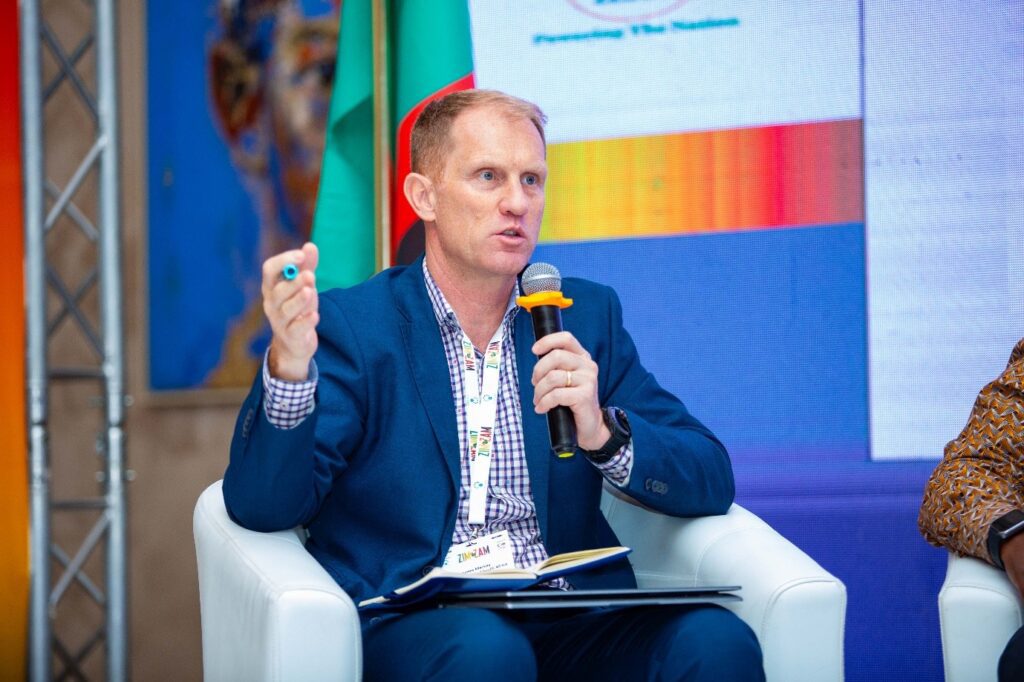
Utilities once built interconnectors using their own balance sheets or sovereign guarantees, but weak financial positions now prevent this investment entirely. John Diya, Senior Manager at Zimbabwe Electricity Transmission and Distribution Company (ZETDC), described how a paradigm shift becomes necessary, moving away from utility-led models towards involving the private sector as extensively as possible. Partnerships through public-private partnerships or arrangements with intensive energy users represent the most viable path forward for energy infrastructure. The public utilities across African countries cannot pour billions they don’t have nor can source, Engineer Diya emphasised.
The sector must accept that transmission can be owned and maintained by somebody else within or alongside the utility. Patrick Kouamé, Investment Director at Africa Infrastructure Management, pushes this logic further, challenging deeply embedded assumptions about who controls critical infrastructure. Legal and financial structures for private sector investment in interconnectors currently remain absent across most of the continent. Creating these frameworks becomes the prerequisite for unlocking commercial capital that sits idle whilst deficit countries ration power.
Bankability and the Off-Taker Question
Financiers scrutinise revenue certainty before committing capital to transmission projects. The identity of the off-taker and their proven ability to pay emerge as the core determinants of bankability, as Kouamé identifies. Power purchase agreements mean nothing if the counterparty lacks financial credibility. This reality drives investors’ capital towards arrangements with creditworthy entities as opposed to financially struggling utilities.
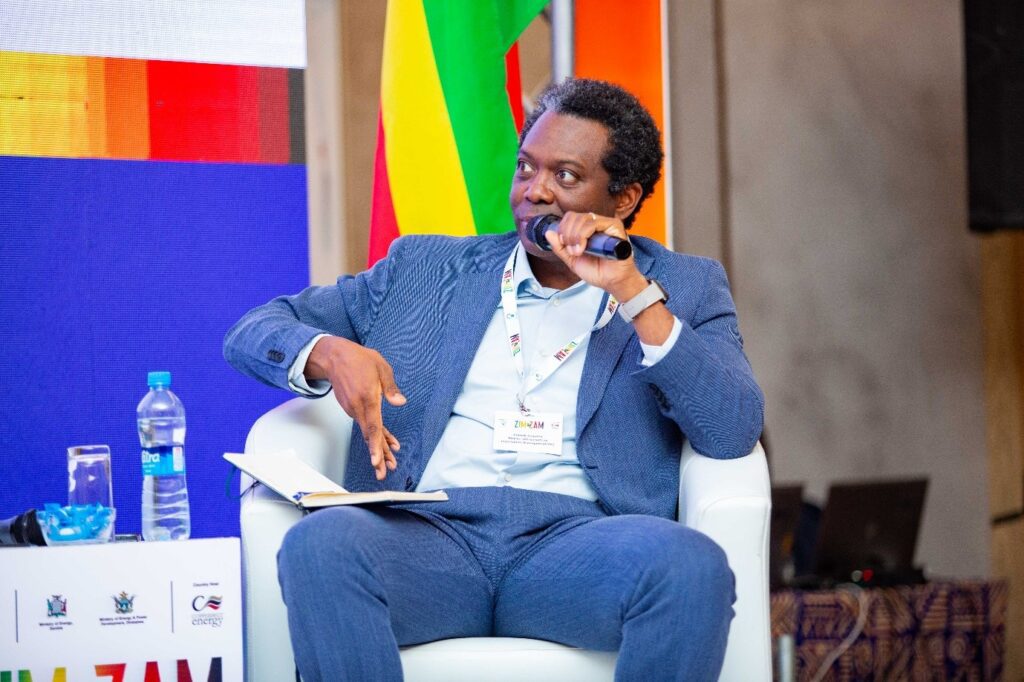
Zambia copper hotspot, the Copperbelt offers a compelling case study. Leveraging miners’ balance sheets to build infrastructure that serves broader regional needs presents an unconventional solution. Mining operations consume enormous quantities of electricity and possess the financial strength to guarantee payments. Projects like the Copperbelt Energy Corporation’s transmission line and Kalumbila-Kolwezi 330 kV Interconnector Project (KKIP) by EnPower Zambia demonstrate how mining companies can anchor transmission investments that create capacity exceeding their immediate requirements. Excess capacity becomes available for regional trade, transforming what might appear as corporate infrastructure into regionally significant assets.
Transmission interconnectors can become genuine businesses if prices reflect costs and confidence exists in the off-taker. Cost-reflective tariffs signal that revenue streams will materialise as projected, whilst creditworthy counterparties eliminate payment risk. Together, these factors create bankable projects that attract commercial financing at reasonable rates.
Credit guarantee vehicles function as insufficient accelerators for investment, according to Kouamé. These instruments address symptoms rather than root causes. Guarantees cannot compensate for fundamentally flawed tariff structures or financially insolvent off-takers. The key lies in correcting underlying conditions by establishing cost-reflective pricing and strengthening utility balance sheets, rather than layering guarantees atop unsustainable arrangements.
Innovative Financing Structures
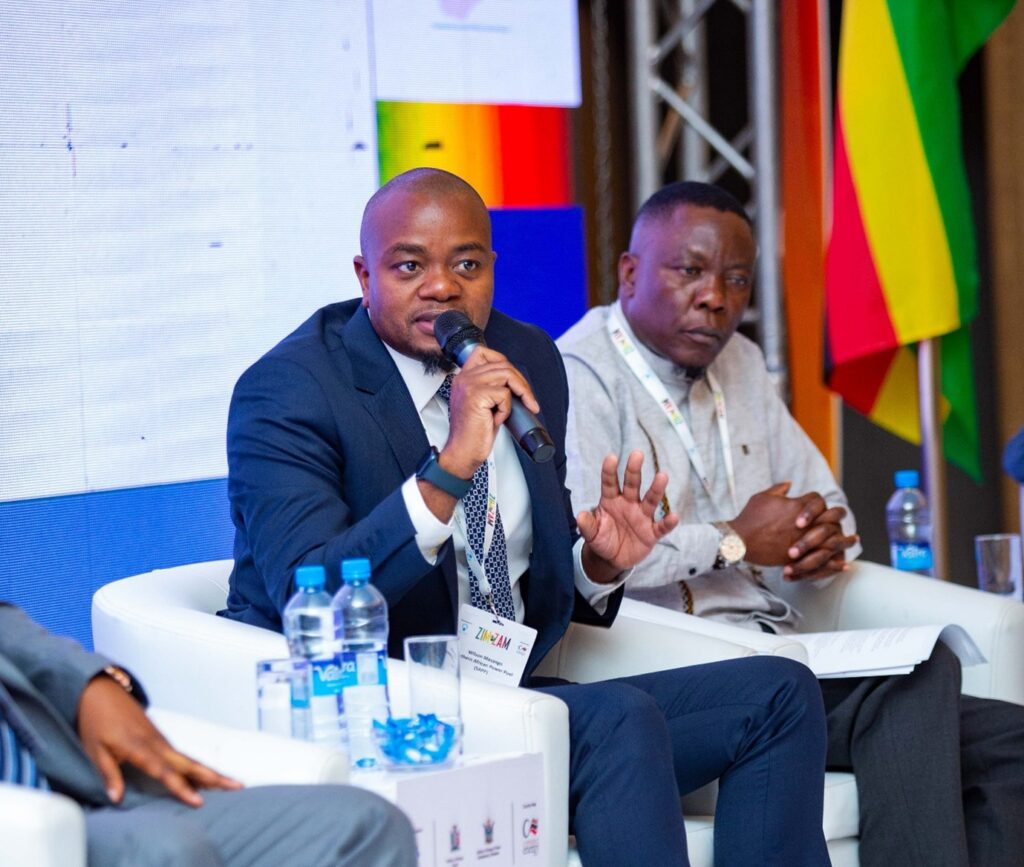
The Regional Transmission Infrastructure Financing Facility represents a mechanism to blend public and private funding. Wilson Masango, Chief Engineer for Markets at the Southern African Power Pool, introduces this structure that incorporates a guarantee facility component designed to attract commercial financing.
The facility acknowledges that purely commercial terms may not work for all projects, particularly those serving politically sensitive but economically marginal areas. Blended finance can bridge the gap, using concessional capital to de-risk investments sufficiently for commercial lenders to participate.

Traditional project finance structures developed for single-country infrastructure may not translate effectively to cross-border transmission. Geoffrey Aori Mabea, Chief Executive Officer of the Regional Association of Energy Regulators for Eastern and Southern Africa, calls for greater innovation in investment approaches rather than relying on old models. New frameworks must account for multiple jurisdictions, currency risks, regulatory variations, and the coordination challenges inherent in projects crossing sovereign boundaries.
The transmission tariff emerges repeatedly as the crucial variable. Tariff structures directly impact bankability assessments, as Masango emphasises. Developers and financiers model revenue projections based on approved tariffs and historical collection rates. Artificially suppressed tariffs or poor payment discipline by off-takers destroy project economics regardless of how innovative the financing structure appears.
The Private Sector Scale-Up Challenge
Private sector self-built connection components are becoming larger and more complex, impacting bankability calculations. Early renewable energy projects required relatively simple grid connections. Contemporary developments demand substantial transmission infrastructure substations, high-voltage lines spanning considerable distances, and sophisticated control systems. The capital requirements and technical complexity have escalated dramatically, as Mackay noted.
This evolution creates opportunities and challenges simultaneously. Larger projects justify the transaction costs of arranging commercial financing and negotiating complex agreements. However, they also concentrate risk and require more sophisticated sponsors capable of managing multi-faceted developments. The barrier to entry rises, potentially limiting participation to well-capitalised players whilst excluding smaller developers.
Partnerships function as the essential vehicle for private sector participation. Few entities possess the combination of technical expertise, financial resources, and risk appetite to develop transmission infrastructure independently. Partnerships allow risk-sharing and bring together complementary capabilities, as Engineer Diya emphasises. Intensive energy users contribute creditworthy off-take; developers provide project management expertise; financiers structure appropriate capital stacks; utilities contribute technical knowledge and grid access.
Reimagining Ownership and Operation
The fundamental question remains who owns and operates transmission infrastructure in this new paradigm. Traditional models assumed state ownership through vertically integrated utilities or unbundled transmission system operators. Private sector participation challenges this assumption but raises legitimate concerns about control over critical infrastructure, service reliability, and long-term maintenance.
The formulation that transmission can be owned and maintained by somebody else requires developing regulatory frameworks that protect public interests whilst enabling private investment. Concession agreements, performance-based contracts, and clear handover provisions can address these concerns. International experience provides models, though adaptation to African contexts remains necessary.
As Bloomberg Energy estimates, the global path to get to net zero 2050 on transmission demands accepting USD 24 trillion investment in global transmission. However, this significant capital requirement cannot be materialised through traditional channels. Government budgets face competing demands. Development finance institutions, whilst valuable, cannot provide financing at the required scale. Commercial capital exists in abundance globally, seeking infrastructure investments that offer stable returns. African transmission can attract this capital if projects become genuinely bankable through cost-reflective tariffs, creditworthy off-takers, and legal frameworks that protect investor interests whilst serving public needs.
Innovation must replace orthodoxy. Variable financing structures, diverse ownership models, and creative partnerships can unlock investment that traditional approaches cannot mobilise. The technical challenge of building transmission infrastructure pales beside the financial and institutional innovations required to fund it at scale. Electrons flow where the wires exist to carry them, and wires materialise where capital finds adequate returns. Breaking the impasse requires reconciling these realities rather than pretending conventional approaches will somehow deliver unconventional results.
Article provided by Financial Insight Zambia