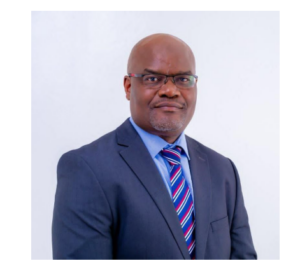
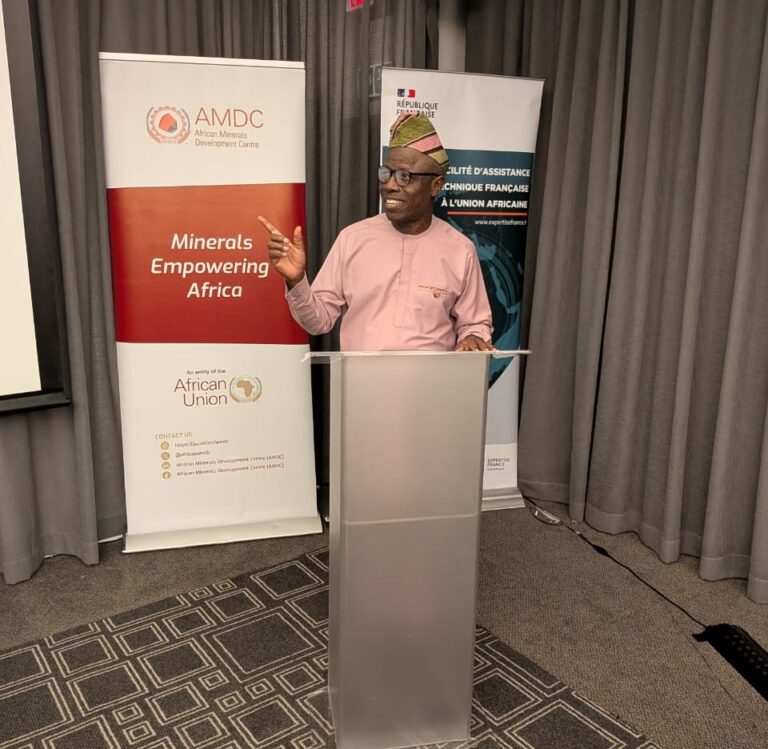
EXCLUSIVE: Endowment alone is not a guarantee, says AMDC’s Tunde Muritala Arisekola
Eight African countries have banned the export of unprocessed minerals. Tunde Muritala Arisekola advises 54 African Union member states on minerals policy at the African Minerals Development Centre, and speaking to ENN he argues that the ban is the easy part and that what follows decides whether the value stays on the continent.
He advises all 54 member states of the African Union as Senior Advisor for Geological and Mineral Information at the African Minerals Development Centre in Addis Ababa, and monitors what they do with the policy direction the Centre gives them. Plenty are not there yet.
“There is need to build local capacities in such countries,” he said of the jurisdictions still struggling to initiate significant processing.
Machinery and equipment are the first constraint he names, in short supply across the continent. Electricity is the second, because affordable and sustainable supply is what lets a plant run at all, let alone compete. Transport networks and logistics are the third.
“Critical minerals are the backbone of future energy and infrastructure developments,” Arisekola said. “It is important to note that resource endowment alone is not a guarantee for sustainable development.”
Global demand is what makes this his subject now.
“As the global demand surges, Africa’s opportunity is not only to supply minerals but also to shape the next phase of industrial development. The real policy challenge for African governments is to ensure that the wealth generated from critical minerals translates into meaningful benefit for African economies and communities.”
Governments should tell investors plainly that local value addition along the mineral value chain is the priority, in his view, and that it is what produces a deal both sides can live with.
Nigeria is where he wants that tested. Ask him what an international investor should know before landing in Abuja in November and the answer is not hedged.
“First and foremost all international investors coming to Abuja should understand that Nigeria is ready and open for business in minerals, mining, energy and environmental issues. Nigeria’s economy is stable, safe, peaceful and welcoming to all international investors.”
Tunde Muritala Arisekola speaks at Nigeria NOW! in Abuja on 19 and 20 November, in the Capitalising on Nigeria’s Mineral Sector session.