
Glencore’s DRC mines now prioritise copper as cobalt exports are capped
Glencore’s DRC cobalt output fell 39% in the first quarter of 2026 while its copper production rose 19%, a deliberate reordering under an export quota system capping Congolese cobalt shipments at 96,600 tonnes a year until at least the end of 2027.
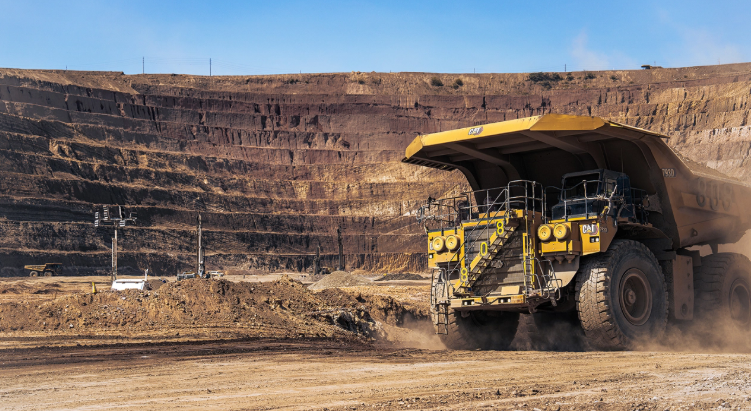
Glencore’s mines in the Democratic Republic of Congo are now run as copper operations that happen to produce cobalt, with first-quarter cobalt output down 39% year on year to 5,800 tonnes while copper rose 19% across the same three months.
Neither number reflects what is in the ground. Both reflect what the company is permitted to export.
The DRC suspended cobalt exports in February 2025 to arrest prices that had fallen to nine-year lows, and replaced the ban in October with annual quotas allocated to individual producers, capping national exports at 96,600 tonnes for 2026 and again for 2027. Glencore holds 22,800 tonnes of that for 2026 and 18,800 tonnes for 2027, a reduction of roughly 17.5%, split between Kamoto Copper Company at 16,100 tonnes and Mutanda at 6,700.
Where a company cannot ship the metal, producing it becomes a cost rather than a revenue, which is why Glencore has deferred the final processing stages on cobalt at both mines and is storing above-quota material in country to sell as circumstances allow. Its own explanation was that DRC assets are prioritising copper because existing finished cobalt inventories already cover near-term quota levels.
Roughly 99% of the world’s cobalt comes out of the ground as a byproduct of copper or nickel, which is what makes the pivot possible at all, and the DRC accounts for more than 70% of global mined cobalt production.
Copper has been moving in the opposite direction, with demand rising from electrification, electric vehicles and data centre construction while ore grades decline and mines close, and Glencore holding full-year guidance at 810,000 to 870,000 tonnes against 851,600 tonnes produced in 2025.
The quota rules are enforced tightly enough to shape operating decisions on their own. Unused first-quarter allocations had to ship by 30 June or be forfeited to a national strategic reserve, and Glencore exported the balance of its 2025 quota in April after Kinshasa extended its validity to allow for new export procedures.
Kinshasa’s stated purpose was to support the price, and cobalt has risen sharply since the restrictions came in. What the policy has also done is demonstrate that a government can redirect what a major miner produces, which is the argument several African ministries have been making about processing conditions and export bans.
Glencore expects exports to normalise over the year as the quota system settles.

Photo credit: Glencore