President William Ruto demands global financial architecture overhaul to unlock green capital pipelines
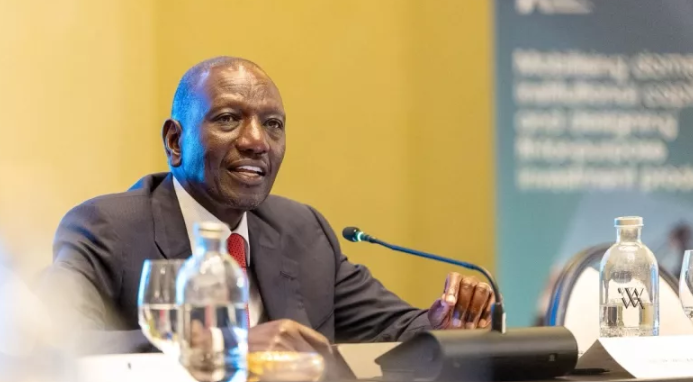
Kenyan President William Ruto has addressed the United Nations General Assembly to demand systemic structural reform of multilateral development banks. The policy intervention targets sovereign debt sustainability frameworks and credit rating methodologies to reduce the cost of infrastructure capital across sub-Saharan clean energy projects.
At the United Nations headquarters in New York, international policy planners have received a formal framework to restructure sovereign debt distress parameters. The Kenyan executive address focused on global capital allocation rules that systematically penalise emerging infrastructure markets. For decades, high borrowing premiums and short-term amortisation schedules forced developing economies to allocate higher cash volumes to debt servicing than to domestic utility grid expansion. This fiscal drag transitions the regional climate debate from simple project generation targets to structured financial restructuring.
Sovereign debt metrics released during the summit track global public liabilities at an unprecedented $102 trillion. Ruto cited United Nations Development Programme data showing that subjective risk modelling by Western commercial rating syndicates costs African treasuries an estimated $75 billion annually in inflated interest payments. By artificially inflating the risk premium on African infrastructure assets, international capital markets effectively restrict utility-scale solar and wind developments from securing long-term, non-recourse project finance.
The financing constraints currently affect 46 developing states, where interest payments outpace total national allocations for public education and health networks. The Nairobi Declaration framework provides the underlying structural blueprint for the proposed changes, demanding independent African credit rating operations and a general capital increase for the African Development Bank. By expanding the balance sheets of regional development finance institutions, project sponsors intend to lower the volume of sovereign guarantees required to advance greenfield infrastructure portfolios.
Bilateral climate finance agreements clearing the European investment pipeline highlight a parallel international push to adjust concessional lending thresholds. Separate risk-mitigation instruments focus on establishing specialised first-loss capital pools to insulate private institutional lenders from early-stage currency convertibility hazards. By lowering the cost of hedging mechanisms, regulators aim to scale private sector debt participation across regional transmission grids.
Reforming the primary governance rules of the International Monetary Fund remains the absolute determinant of sub-Saharan infrastructure deployment velocity. The G20 independent expert panels have recommended tripling the annual lending volumes of multilateral development banks, yet executive voting quotas remain locked under post-war configurations. Ultimately, the capacity of the international coalition to implement these structural financial changes will determine whether clean energy deployment pacing matches regional industrial demand targets.
Images: 5050 Markets