
Execution Over Ambition: NRECA International’s Message for Africa’s Power Future
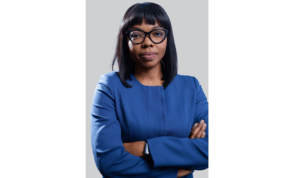
As Africa’s power sector works to expand access and deliver reliability, resilience and industrial growth, we need to focus on both infrastructure and the institutions that keep systems running. In this exclusive interview with Kate Steel of NRECA International, she reflects on what it truly takes to build systems that endure.
Drawing on more than six decades of global electrification experience – and deep roots in the U.S. cooperative model – Steel discusses why governance, tariff design, loss reduction and workforce development are critical pieces to sustainable electricity systems. From long-term institutional strengthening in the Philippines to hands-on utility operations in Haiti and Zambia, she outlines a practical playbook for delivering power systems that support industry, jobs and sustained economic growth.
- NRECA International has been working on global electrification for more than six decades. How has your approach to advancing electricity access evolved particularly as the conversation shifts from access to reliability, resilience and industrial growth?
When NRECA International was founded, most countries in the world had fewer than 50 percent of their households connected to electricity. Even from the early years, success meant not just getting the first lines built and the lights on. Communities have always needed electricity that is reliable, resilient, and capable of supporting industry and jobs. Our approach has targeted building strong, resilient utilities that can power long-term economic growth.
We focus on planning, utility management, grid resilience, renewable integration, and productive use, although we do still work on first access. When conditions are right, the cooperative model remains central because local ownership and strong institutions are what ultimately ensure that systems keep improving long after the initial build.
One of the clearest examples of our work is the Philippines. In the 1960s and 1970s, NRECA International helped establish and train a new generation of rural electric cooperatives across the country. Those cooperatives took electrification from less than 20 percent in rural areas to well over 90 percent today and have become some of the most stable, durable utilities in the region. Many now operate modern grids and support local economic development far beyond the mandate of simply providing access. Their success shows what happens when strong institutions, community ownership, and long-term technical support come together.
Our experience continues to shape how we work today: building utilities that start strong and stay strong, because that is what creates reliable power, thriving local economies, and lasting impact.
- Much of your work focuses on strengthening utilities, not just building infrastructure. What does “utility strengthening” mean in practical terms – governance, tariff design, loss reduction, workforce training – and why is it often overlooked?
For us, utility strengthening means everything that keeps a system reliable and financially healthy long after the initial infrastructure is built. In practical terms, that includes good governance, sound tariff design, loss reduction, accurate billing and metering, a focus on efficiency and innovation, and investing in a skilled local workforce. These are the capabilities that allow a utility to plan, operate, and grow sustainably.
We do not just advise on this. For nearly a decade we have operated a small utility in northern Haiti through the PPSELD project, under extremely challenging circumstances. That experience has given us a front row view of what true utility strengthening requires. We have introduced feeder- level loss tracking, installed thousands of modern meters, rebuilt customer records, and put in place revenue- protection- teams that significantly increased collections. We trained local operators and line crews, set up safety protocols, and re-established basic operational routines like vegetation management and transformer maintenance. We also created transparent billing cycles and customer service processes so the community could see that the utility was functioning fairly and professionally.
These are not the kinds of milestones that get celebrated with a large ribbon c-utting, but they are the foundation of reliability. They are often overlooked because they are less visible than a new set of poles or a new generation plant. They require long-term- engagement and patient, steady work, and the results show up gradually in fewer outages, higher collections, more revenue, faster service restoration, and more trust from customers.
- One of the biggest challenges across African markets is ensuring utilities remain financially viable. How does NRECA International help partners move toward cost-reflective tariffs and operational sustainability without undermining affordability?
NRECA International helps utilities move toward cost reflective tariffs by shrinking the tariff gap through operational improvements first, then putting in place tariff structures that protect -low-income- customers while keeping the utility solvent.
In Zambia, our work with the Rural Electrification Authority and several distribution utilities has followed exactly this model. We supported utilities to strengthen their basic commercial operations through systemwide meter audits, targeted replacement of nonfunctional meters, and improved billing accuracy. We also introduced modern revenue- management tools and helped utilities segment customers by load and payment behavior so they could design more effective collection strategies. As losses dropped and billing accuracy improved, the financial gap narrowed substantially, creating the conditions for a more politically feasible tariff adjustment. Our technical support also contributed to a more transparent tariff framework that maintains a lifeline block for -low-income- households while aligning higher consumption tiers with actual supply costs.
Our playbook is pretty straightforward – cut losses, meter accurately, bill and collect transparently, develop design and construction standards, and strengthen governance so customers see that improved revenues go back into reliability. With the financial gap narrowed, cost reflective- tariffs can be phased in with protections for vulnerable households and clear communication about service gains. That is how we protect affordability and deliver operational sustainability at the same time.
- Your long-standing partnership with the U.S. government has been central to your mission. How does that institutional backing translate into real project acceleration on the ground?
NRECA International grew directly out of America’s own rural electrification effort, so U.S. government agencies recognize that we bring the same cooperative model that transformed the U.S. to communities abroad. That credibility means governments trust the approach, regulators take our recommendations seriously, and financing partners see a lower – risk project.
Over the decades, we’ve worked alongside USAID, MCC, USDA’s Rural Utilities Service, USTDA, DFC, and the State Department on everything from feasibility studies to national cooperative development programs. U.S. backing allows us to stay engaged for the long haul, by supporting -projects not just through construction, but through the governance, tariff design, and capacity building work that ultimately determines whether a system thrives. We are still closely aligned with the US electric cooperatives, which bring electricity to one in every eight Americans, and the National Rural Electric Cooperatives Association (NRECA). The combination of deep U.S. roots and consistent partnership is what brings measurable results and these results mean development impacts that support US interests in global health, trade, and security.
- From your experience, what are the most common reasons electrification projects stall – and what practical safeguards do you put in place to mitigate those risks?
Electrification projects tend to stall for a few predictable reasons: unrealistic demand forecasts, weak utility finances, unclear roles or governance, and procurement or regulatory delays. Technical issues rarely stop a project on their own. It is usually the institutional or financial foundations that were not strong enough from the start.
To mitigate those risks, we focus on practical safeguards like sound load and revenue analysis, transparent governance structures, low-cost design and construction standards, clear O&M responsibilities, and early attention to tariff design and loss reduction. We also invest in training the local utility team before the system is energized, so they are ready to operate and maintain it from day one.
We have seen firsthand how this approach prevents delays. In Zambia, for example, a major rural electrification program was at risk because projected demand was too low to support the operating costs of new networks, and the local utility did not have systems in place to manage new customers. We stepped in early to redo the load forecasts using geospatial data and actual community level consumption patterns, which gave the project a realistic financial baseline. At the same time, we helped the utility establish basic commercial procedures, train billing staff, and introduce simple loss control measures before construction was completed. By the time the lines were energized, the utility had reliable customer data, staff trained to operate the system, and a clear governance structure in place. Those safeguards kept the project moving and ensured that the new infrastructure did not become a stranded asset.
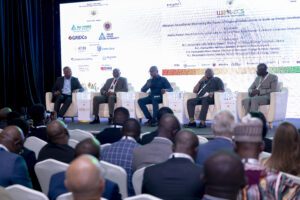
- As you join PAS 2026 as a sponsor, what message are you bringing to policymakers, DFIs and private investors about execution – not just ambition in Africa’s power sector?
Our message at PAS 2026 is that Africa’s power sector needs funding and strong execution. We are close to finishing the global access challenge. Only about 10 percent of the world remains unelectrified, and we now have clear data on who needs to be reached and how to reach them. There is no missing technology and no need for new financial innovation. What is needed is straightforward – funding and delivery.
But access on its own will not drive growth. Africa needs electricity that can power agro-processing, cold chains, small industry, and the services sector. Real jobs and value creation depend on utilities that can deliver reliable and affordable power.
Our message to policymakers, DFIs, and investors is:
- Finish the last mile access gap with urgency. The tools and playbooks exist, let’s go.
- Strengthen utilities so they can power economies, not only households.
- Invest in the operational backbone of the sector, including loss reduction, metering, tariff reform, and workforce development.
We are also highlighting the role cooperative development can play in African electrification. Cooperatives are part of the private sector, but unlike investor owned utilities, the value they generate is returned to the community instead of external shareholders. This model brings local ownership, accountability, and a -long-term- service mindset that helps keep systems reliable and financially sound. Africa’s power future depends on getting the fundamentals right – access, reliability, economic load growth, and institutions that can deliver all three.