Guinea builds alumina refineries on a grid of about 1,000MW
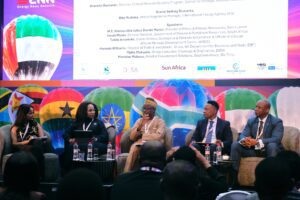
Three alumina refineries are under construction in Guinea and the government wants five by 2030, Daouda Diakite told African Mining Week in Cape Town. The country generates about 1,000MW, mostly from hydro, and says industrialisation will need 5,000MW to 10,000MW. Investors and governments across the continent are now weighing that gap.
Three alumina refineries are under construction in Guinea, according to Daouda Diakite, senior adviser to the country’s mines minister. The government wants five operating by 2030, with total annual capacity of about 7 million to 8 million tonnes, followed by aluminium smelters.
Guinea, which recently overtook Australia as the world’s largest bauxite producer and exporter, has said it wants to limit export volumes, although it has not yet introduced the curbs. Investors seeking bauxite will be steered towards smelters or railways, with mining rights and some tax holidays on offer. The government is also fast-tracking ore pellet plants in its iron ore sector, and Diakite said “the next step will be the steel (production).”
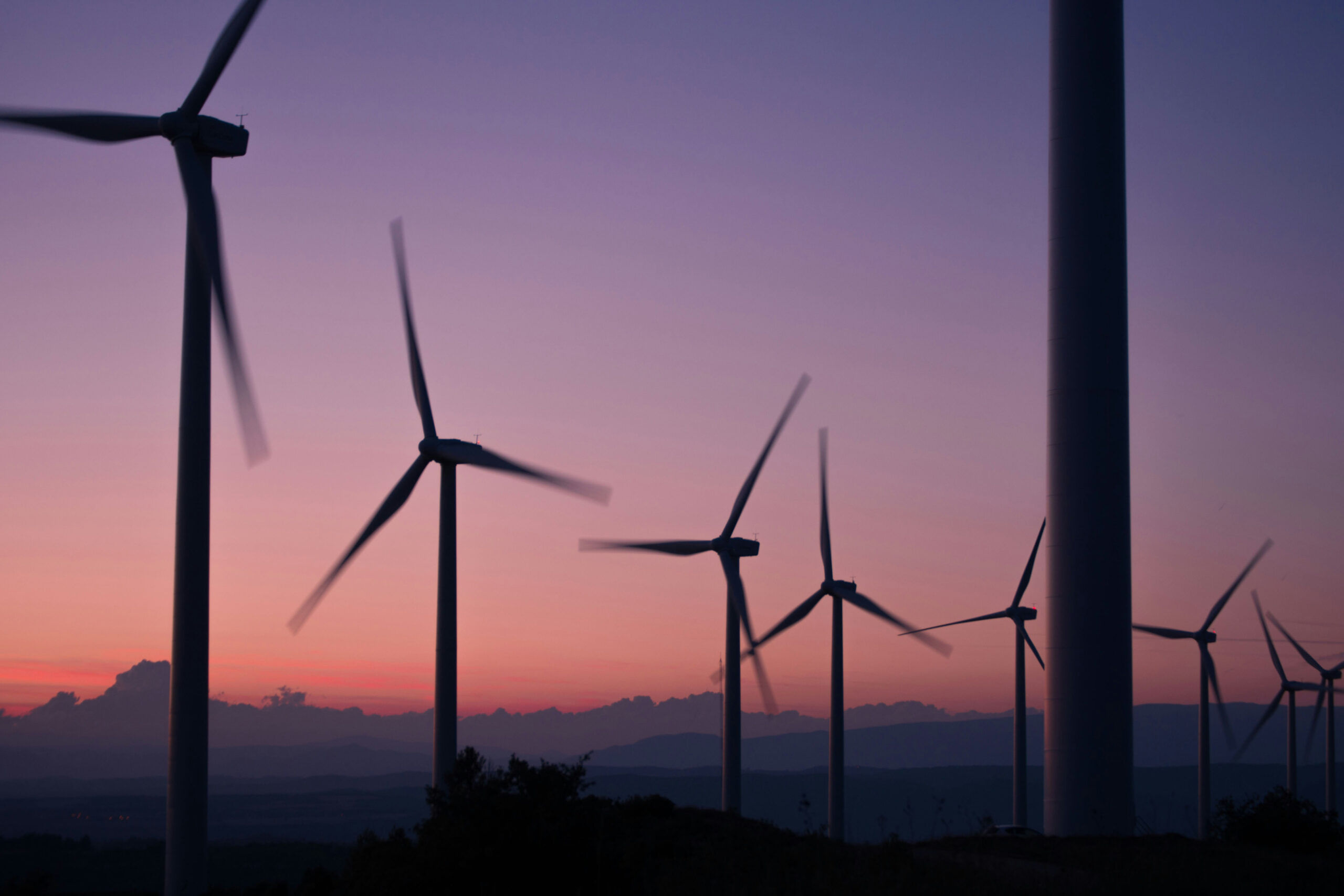
Power is the constraint Diakite named first, telling the conference that “the main issue is infrastructure and energy, mostly energy.” Guinea generates about 1,000MW, mostly from hydropower. It exports to its neighbours in the rainy season, from April or May to November, and imports from Ivory Coast or Senegal in the dry months, while industrialisation would need 5,000MW to 10,000MW.
With no coal of its own, Guinea is looking at “all economically viable energy solutions, including gas, coal, and nuclear,” Diakite said. He suggested that ships arriving empty to load bauxite could bring coal from South Africa or Mozambique.
In South Africa, which holds more than 70% of the world’s known chrome reserves, fewer than a dozen of 66 ferrochrome smelters are still operating after power costs rose roughly tenfold since 2008. Mzila Mthenjane, chief executive of the Minerals Council South Africa, said “the number one lesson is how important energy supply reliability and affordability are to industrialisation.” South32 put its Mozambique aluminium plant on care and maintenance this year after a drought hit power supply.
Egypt’s deputy minister for strategic industries, Mohamed Zada, set out four pillars investors look for: reliable feedstock, power, stable policy and committed buyers. He told delegates “we cannot focus on one and ignore the four pillars that are very important to be moving together.”
The US International Development Finance Corporation and Africa Finance Corporation are already backing processing projects and plan to do more. Franklin Edochie, deputy director and head of mining at AFC, said demand is there: “We produce very high quality products on the continent …we always have buyers.”