Joint LNG buying is on the table for three West African neighbours
Three West African neighbours, Côte d’Ivoire, Togo and Benin, have signed a World Bank-backed memorandum in Abidjan to coordinate their gas supply and study buying LNG together, with $150m already approved for studies and a ten-year programme, possibly including pipelines between them, due before the World Bank’s board by May 2027.
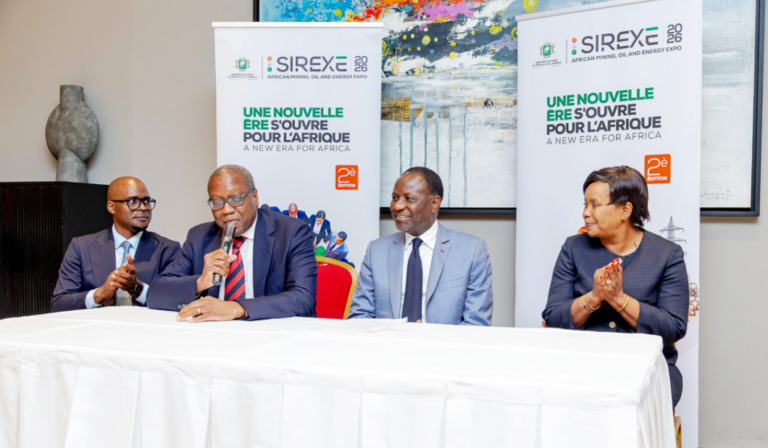
In Abidjan on 19 November, Côte d’Ivoire’s Minister of Mines, Petroleum and Energy, Mamadou Sangafowa-Coulibaly, signed a gas cooperation memorandum with Togo’s Minister Delegate for Energy and Mining Resources, Robert Koffi Messan Eklo, and a representative of Benin’s Minister of Energy, Water and Mines, committing the three countries to explore joint LNG buying.
The memorandum follows a regional gas summit the World Bank convened in Abidjan on 7 December 2025, after which each country signed a financing agreement with the bank under its Clean Gas project, and it sets a framework without yet committing any of the three to buying gas or building infrastructure.
“Securing gas supply directly contributes to the reliability of electricity,” Sangafowa-Coulibaly said at the signing, where the ministers agreed to a tripartite working group that will align their demand forecasts and share technical data as it weighs the options for supply and for moving gas between their territories.
Marie-Chantal Uwanyiligira, the World Bank’s operations director for Benin, Côte d’Ivoire, Guinea and Togo, tied the agreement to Mission 300 and to employment, saying that “the question of jobs will not be settled if the question of energy is not settled”.
“We sign agreements, but now we will all set about bringing them to life,” said Eklo, whose country depends on imported gas for its electricity and is studying LNG reception and storage at the Port of Lomé and a pipeline to the Adétikopé Industrial Platform under the regional PRIME-GAS programme, with a 500MW gas-fired power plant among the options under consideration.
The World Bank plans to put its ten-year support programme to its board by May 2027 in two or three phases, covering investment that could extend to pipelines linking the partner countries, with Uwanyiligira hoping to extend the model across West Africa as a gas equivalent of the West African Power Pool. The working group, for its part, is expected to set out the most secure supply solutions for the three countries, with the cost and timetable of each.
Images: CICG-Côte d’Ivoire par DR