Ministers Sign Treaties While Power Grids Fracture Into Fragments
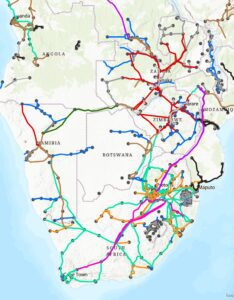
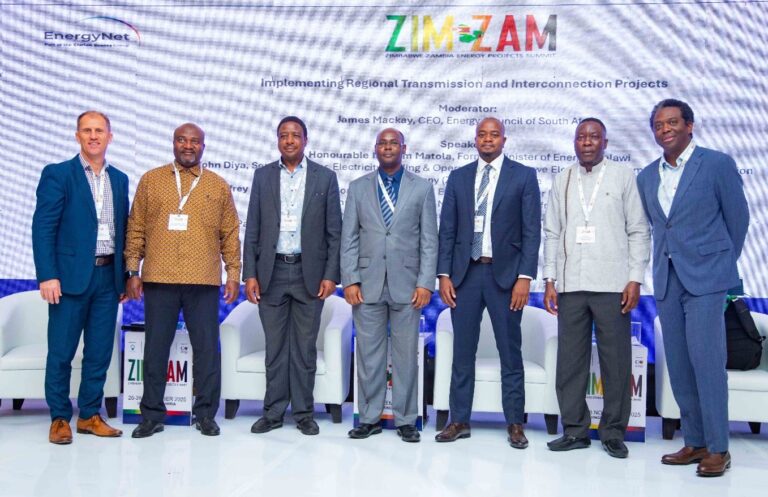
Gerald Hamuyayi, Lusaka, Saturday, 29 Nov 2025 – Energy regulators review applications, environmental authorities call for new assessments, land commissions raise questions about routes, and planning ministries challenge project timelines. A developer trying to build a cross-border transmission line watches his project split across different offices, with each approval triggering new demands from surrounding agencies. His power line could move electricity from surplus to deficit areas in eighteen months, yet the permits will take five years. At the ZimZam Power Conference held in Livingstone, a panel of experts came together under one roof and delivered what many described as a groundbreaking discussion on the future of regional power integration.
When Signatures Mean Nothing
African energy ministers meet in comfortable conference halls and sign regional frameworks with ceremonial pens. Cameras flash. Statements are released announcing commitments to cooperation and harmonisation. But once the meetings end, everyone returns home and the signed documents sit untouched in ministry cabinets. National utilities continue following plans that contradict the very agreements their ministers endorsed.
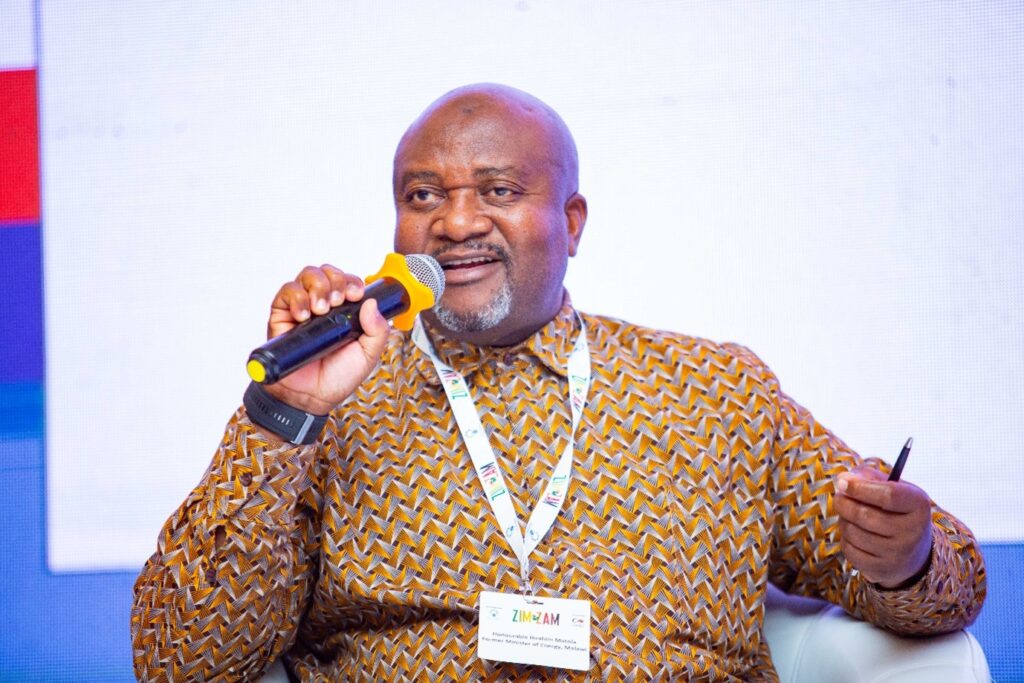
Former Malawi Minister of Energy Ibrahim Matola is direct about the main barrier. The lack of coordination blocks progress towards regional integration. Political will appears on paper through African Union and Southern African Development Community frameworks, but real commitment fades once countries start implementing these agreements. Ministers sign documents promising common standards and harmonised policies, yet agencies continue working independently as if nothing was signed.
Globally, planning, permitting and regulatory approvals for transmission projects already take years. Africa cannot afford these delays, yet progress in speeding up processes has been minimal. Matola argues that countries must move in the same direction and adopt shared approaches. The problem is that the continent lacks strong institutions that can enforce alignment.
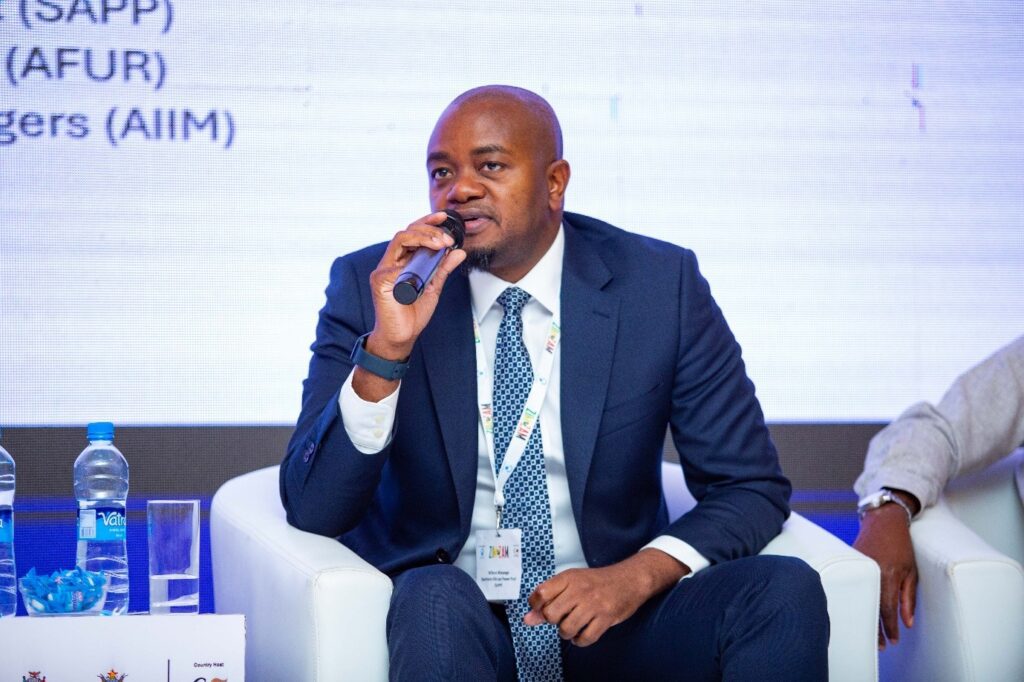
Wilson Masango, Chief Engineer for Markets at the Southern African Power Pool, says the regional plans adopted by SADC are not strong enough to become binding at national level. Governments and utilities treat cross-border projects as optional additions rather than essential infrastructure. Projects endorsed at regional meetings stall when they reach national planning systems, waiting for political champions who rarely appear. This siloed approach damages trust between neighbours and keeps development fragmented.
Several Institutions for One Wire
Engineer James Manda, Technical Manager at the African Forum for Utility Regulation, highlights the scale of institutional fragmentation. A single transmission project requires approvals from around several institutions covering regulation, environmental assessments, land issues, grid connection rules and trading arrangements. These institutions often work in isolation, sometimes issuing conflicting requirements.
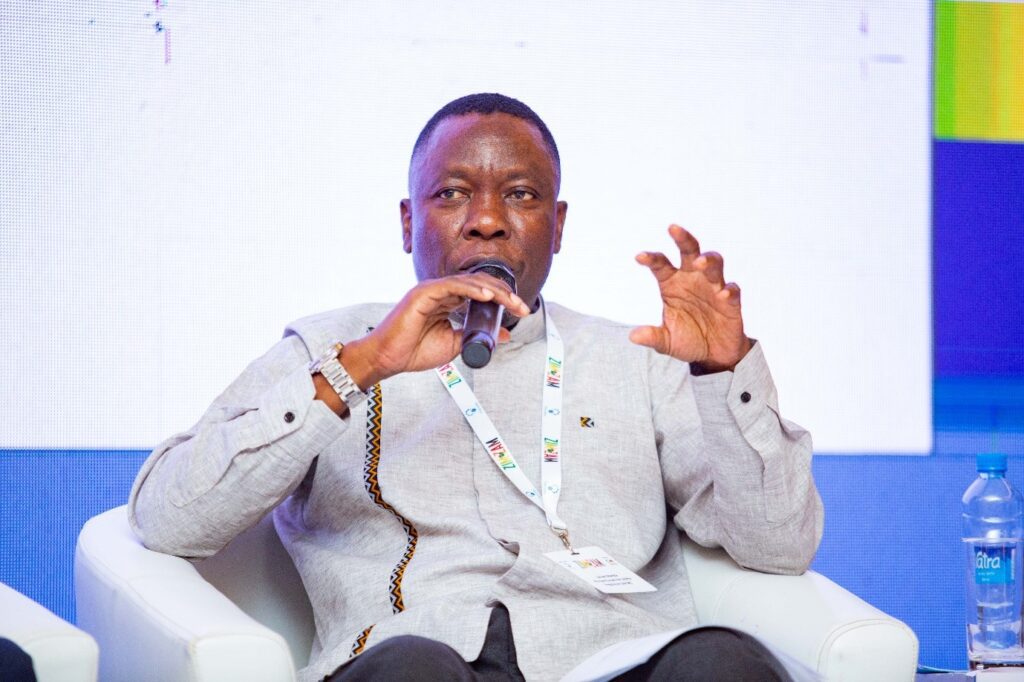
The technical side is not the main challenge as engineers know how to connect grids. They understand voltage levels, equipment specifications and protection systems. The real gap is policy alignment. Jeffrey Baba, who leads the Regional Regulators Association for the Kagera, Singida and Arusha region, says almost every technical challenge has a solution. What is missing is harmonised rules and coordinated policies that support regional electricity trade. Baba suggests a practical approach known as variable geometry. Instead of waiting for all countries to agree at once, those ready to move should go ahead. Their early progress can demonstrate benefits, encouraging others to follow. Countries unwilling to harmonise immediately should not prevent those prepared to advance.
The Price Nobody Wants to Pay
Electricity prices in many African countries are set below the actual cost of producing and delivering power. Politicians avoid raising tariffs because of public pressure. This leaves utilities with growing financial losses and ageing infrastructure. Eventually systems deteriorate, and the cycle repeats across the continent.
Manda notes that people often avoid addressing this issue, but non cost reflective tariffs are a major obstacle. Harmonised transmission tariffs are not only a technical detail but a foundation for creating a functioning African single electricity market. Investors will not finance large cross-border projects when tariffs do not cover operating costs or provide reasonable returns.
Masango makes the same point from a regional market perspective. Transmission tariffs determine whether a project is bankable. Before committing money, developers and financiers study tariff structures closely. Artificially low rates suggest political interference and raise doubts about whether expected revenues will actually be collected.
The logic is simple. Infrastructure needs investment. Investment needs returns. Returns depend on tariffs that reflect real costs. When politicians block tariff reforms, countries fall into permanent power shortages while neighbours with surplus electricity cannot sell it.
Breaking the Stalemate
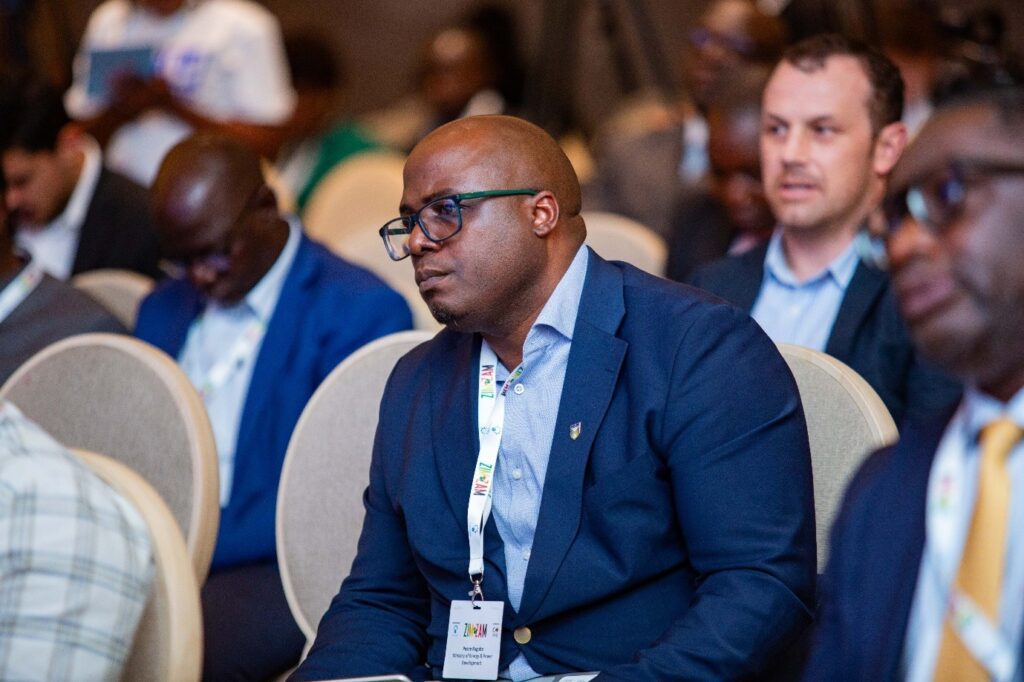
Cross-border transmission projects reveal how institutional fragmentation increases costs and delays. A line running through two countries must secure approval from multiple institutions in each country. Procedures rarely match. Environmental laws differ. Land acquisition follows different processes. Grid codes require different technical standards.
The African Forum for Utility Regulation works to align these institutions and create a unified process. Progress is slow because harmonisation means some institutions must give up powers they have held for years and fear losing influence. Ministers also lack incentives to push for institutional consolidation.
The continent needs coordinated action, yet coordination is the very thing missing. Ministers must go beyond signing new frameworks and begin enforcing agreements through national policy. Regional bodies also need more authority to push member states towards commitments they themselves endorsed. Regulatory harmonisation should be approached realistically through step-by-step progress rather than waiting for perfect consensus. Variable geometry offers a pathway for pioneers to test models and show proof of concept. Successful examples can shift political thinking in countries that are hesitant. Institutional reform must also happen. One-stop authorisation systems for cross-border projects would remove the maze developers currently face. Streamlined approvals reduce uncertainty and lower the cost of doing business. Tariff reform requires honest political leadership.
Subsidised electricity may calm public concerns in the short term, but it guarantees long-term underinvestment. A phased approach, gradually adjusting tariffs while protecting vulnerable households, can work. The goal is not sudden removal of all subsidies but ensuring that tariffs eventually cover utility costs and support investment.
Ministers will meet again next year to sign new commitments on integration. More photos will be taken. More press statements will be released. But real progress depends on leaders deciding that implementing agreements matters more than announcing them. Electricity does not respond to speeches or ceremonies. It will flow only when the necessary infrastructure is built.
Article provided by Financial Insight Zambia