Lagos and Niger State court investors with their own money on the table
The commissioners for Lagos and Niger State set out in Abuja the money and land their governments put into projects first, as Sola Jagun of AIIM told the Nigeria NOW! finance panel what institutional investors need to see before they commit, and PEBEC’s Director-General said reform would now be judged by its impact on business.
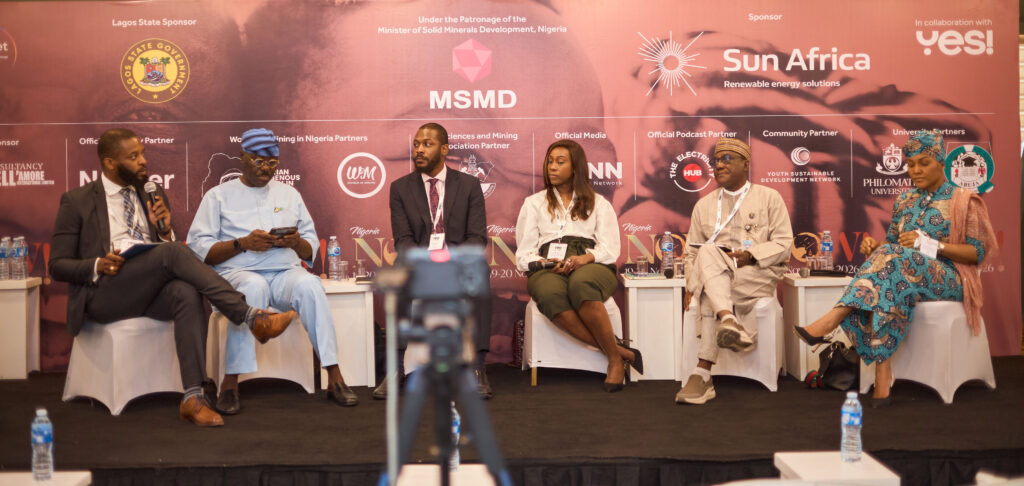
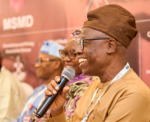
Lagos State puts its own money into a project first, according to Honourable Abayomi Oluyomi, the state’s Commissioner for Finance, who told a Nigeria NOW! panel in Abuja on infrastructure finance in Nigeria that the state’s debt sustainability ratio stood at 15%, against a national threshold of 40%. “If you want to do a project in Lagos, we have our skin in the game. We de-risk that investment by putting our own money first,” said Oluyomi.
Honourable Aminu Suleman Takuma, Commissioner, Niger State Ministry of Investment & Private Sector Development, told ENN after the session that Niger State takes an equity stake whenever it asks a development bank to fund a project. “What we do is we partner, no matter how little,” he said. Of the $160m solar project the state has signed with the Islamic Development Bank, the bank is providing $150m and Niger State $10m as equity, and Takuma said the land was already secured, with the power meant for the special agro-processing zones and the airport, newly approved as a free trade zone.
Investors coming into Niger State are partnered through private-sector-led special purpose vehicles, Takuma said, with projects located in the corridors closest to the Federal Capital Territory, and the state works with the Central Bank of Nigeria so that foreign investors receive certificates of capital importation and can repatriate their returns, while a further vehicle helps them raise local funding.
Sola Jagun, Investment Manager at African Infrastructure Investment Managers (AIIM), told the panel, moderated by Emeka Okpukpara, Partner at Nextier, that institutional investors will commit when Nigerian projects can show predictable revenues, credible counterparties, manageable currency risk and viable routes to exit. “We need to have a strong conviction on the revenue lines,” said Jagun.
Princess Zahrah Mustapha-Audu, Director-General of the Presidential Enabling Business Environment Council (PEBEC), said the Council’s mandate was to remove the legislative and bureaucratic barriers to doing business in Nigeria. “We are moving beyond counting reforms to looking at the actual impact of those reforms on businesses,” she said.