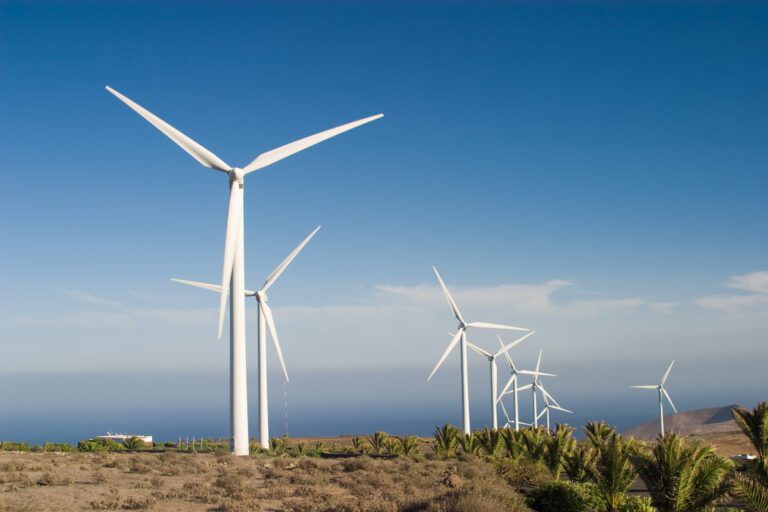
Kenya’s path to Net Zero and the quest for cleaner energy by 2030
By Evans Ongwae
Vision 2030, Kenya’s long-term national development focus, envisions a newly industrialising middle-income nation that provides a high quality of life to all citizens by the year 2030, in a clean and secure environment.
One of the main pillars to achieving this vision is manufacturing, whose main enabler is the availability of lots of clean and reliable energy, according to the Energy and Petroleum Regulatory Authority (EPRA).
As the country pursues its industrialisation dream, it is also focused on reducing its carbon footprint, and has set 2050 as the deadline to achieving Net Zero status.
A policy consultant and former executive director of Kenya Institute of Public Policy Research and Analysis (KIPPRA), Dr John Omiti, says this is the right approach for the country.
He observes that Kenya is a relatively small contributor to global greenhouse emissions. “Nonetheless, as a member of the global family, there have been efforts to reduce those emissions by embracing green energy and adoption of green economy policies,” he explains.
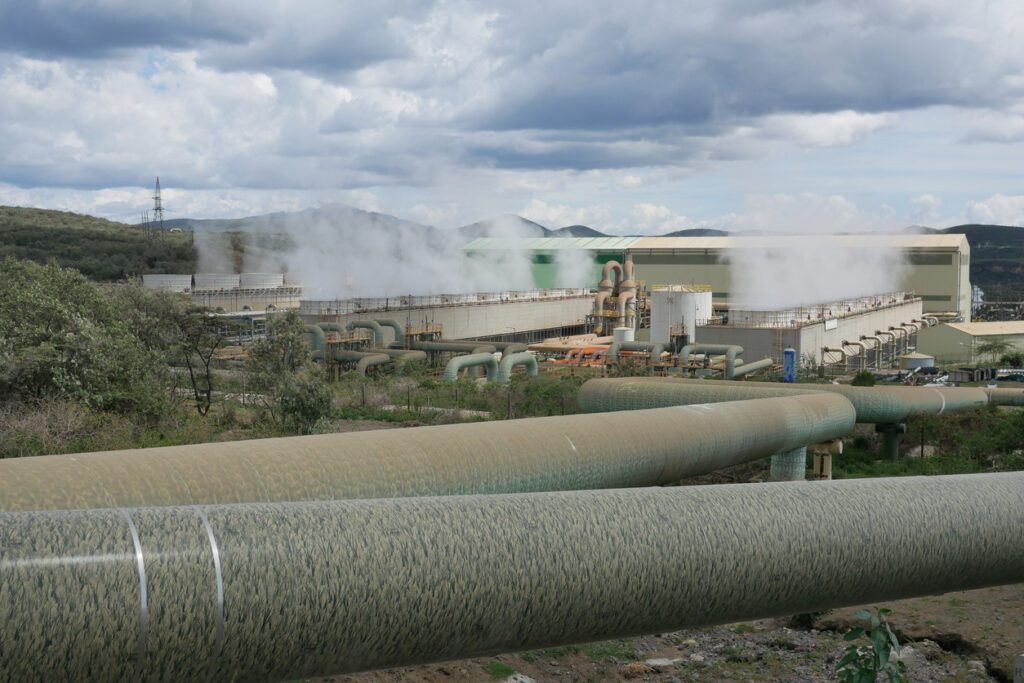
According to him, Net Zero implies balance between emission and extraction of carbon-dioxide. However, he points out, there are significant challenges in simplifying various technicalities in carbon trade.
Says Dr Omiti: “There is need to specifically address systemic challenges to carbon trade by strengthening policy and institutional mechanisms, improving access to carbon financing, and enhancing capacity-building initiatives, among other interventions.”
The Executive Director of the International Energy Agency (IEA), Dr Fatih Birol, says that clean energy transitions must be fair and inclusive, leaving nobody behind. “We have to ensure that developing economies receive the financing and technological know‐how they need to continue building their energy systems to meet the needs of their expanding populations and economies in a sustainable way.”
He says this in the foreword to the IEA report titled, ‘Net Zero by 2050: A roadmap for the global energy system’. This special report maps out how the global energy sector can reach Net Zero by 2050.
He notes that the energy sector is the source of about three‐quarters of greenhouse gas emissions today, and holds the key to averting the worst effects of climate change, one of the greatest present-day challenge humankind faces.
“Reducing global carbon-dioxide emissions to Net Zero by 2050 is consistent with efforts to limit the long‐term increase in average global temperatures to 1.5 °C,” emphasises Dr Birol.
Adjunct faculty member of Mount Kenya University’s School of Engineering, Energy and the Built Environment Dr Hihu Jabali, says the country is making good progress towards attaining Net Zero status.
“Kenya,” says Dr Jabali, “is actively advancing toward a low-carbon future through its commitment to achieving near 100 percent renewable electricity and aligning with global Net Zero emissions goals by 2050.”
The don notes that national strategies such as the Energy Transition and Investment Plan emphasise decarbonisation across key sectors, including energy, transport, and industry, creating a dynamic environment for innovation and sustainable development.
He says higher education institutions have taken note of the need for professionals to drive the country’s Net Zero quest. “This makes a university programme in renewable energy highly relevant, future-oriented, and essential for preparing graduates to contribute to Kenya’s green economy and global sustainability efforts.”