
Morocco builds pumped storage to hold its solar and wind output
The World Bank has approved $265 million for the Ifahsa pumped hydropower storage project in the north of the country, co-financed by the African Development Bank and implemented by ONEE. It is among the largest schemes of its kind on the continent, built to absorb renewable generation the grid cannot yet use.

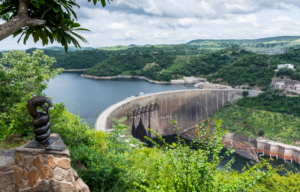
The World Bank board approved $265 million on 1 July for the Ifahsa Pumped Hydropower Storage Project in northern Morocco, one of the largest investments of its kind on the continent. The African Development Bank is co-financing, and the national electricity and water utility, ONEE, will implement it.
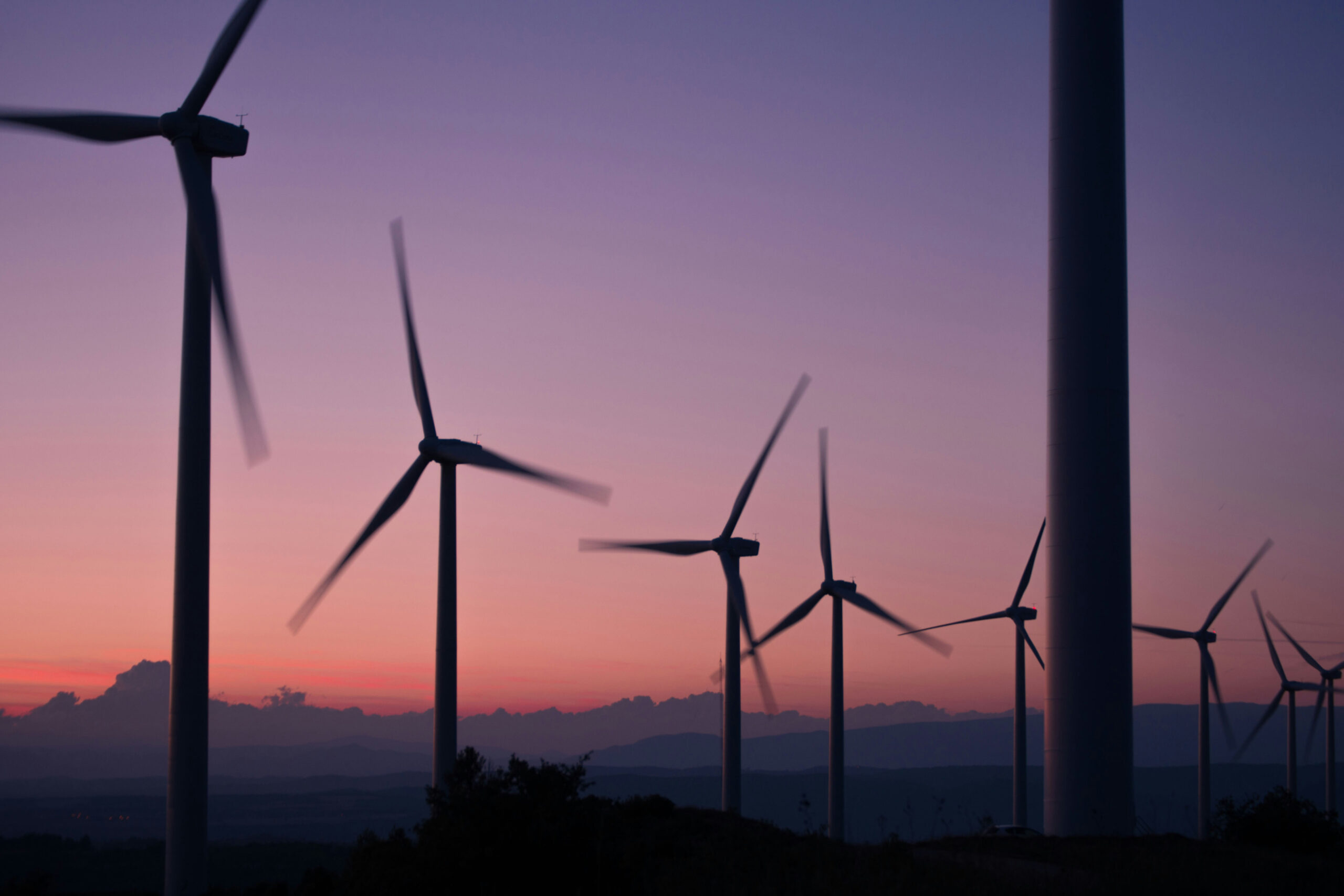
Pumped storage answers a problem that arrives with success rather than failure. A grid carrying large volumes of solar and wind has more power than it can use at midday and less than it needs after dark, and the value of each additional turbine falls once that mismatch sets in. Pumping water uphill when generation is abundant and releasing it through turbines when demand climbs turns the surplus into something dispatchable.
Morocco has reached the point where that matters. The country has built one of the continent’s larger renewable fleets, and the constraint has moved from generation towards flexibility, which is where storage and transmission earn their place.
The financing structure carries its own signal. Two multilateral banks lending together into a single national utility project is a familiar shape for African power, and the co-financing does the same work here that the African Development Bank’s anchor role does in Ethiopia, making a large capital commitment raisable by spreading it.
Storage at this scale also changes what the grid can be asked to do. Firm capacity has been the argument used to keep gas and coal in African power systems, and a pumped scheme large enough to shift bulk energy across the day meets part of that argument on its own terms.
For a country that exports power north to Europe as well as serving its own industry, the ability to move generation across the hours is worth more than another gigawatt of panels. The build now under way in the north is the part of the system that decides what the rest of it is worth.