Africa green hydrogen pipeline still awaits its first gigawatt-scale investment decision
The IEA’s 2026 Hydrogen Review finds the continent’s most advanced project targeting engineering design in the third quarter of this year and a final decision in 2027. Two of the largest developments have stalled for want of buyers, while the cost of capital does more to decide outcomes than sunshine does.
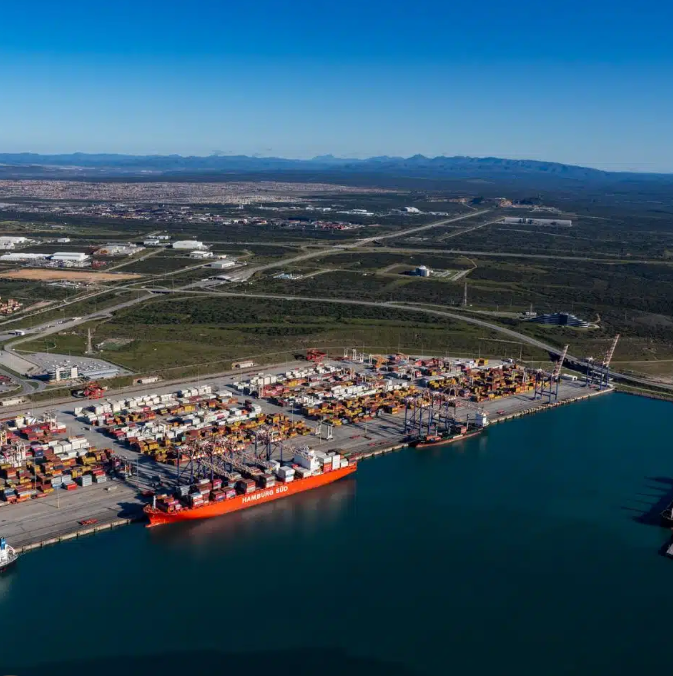
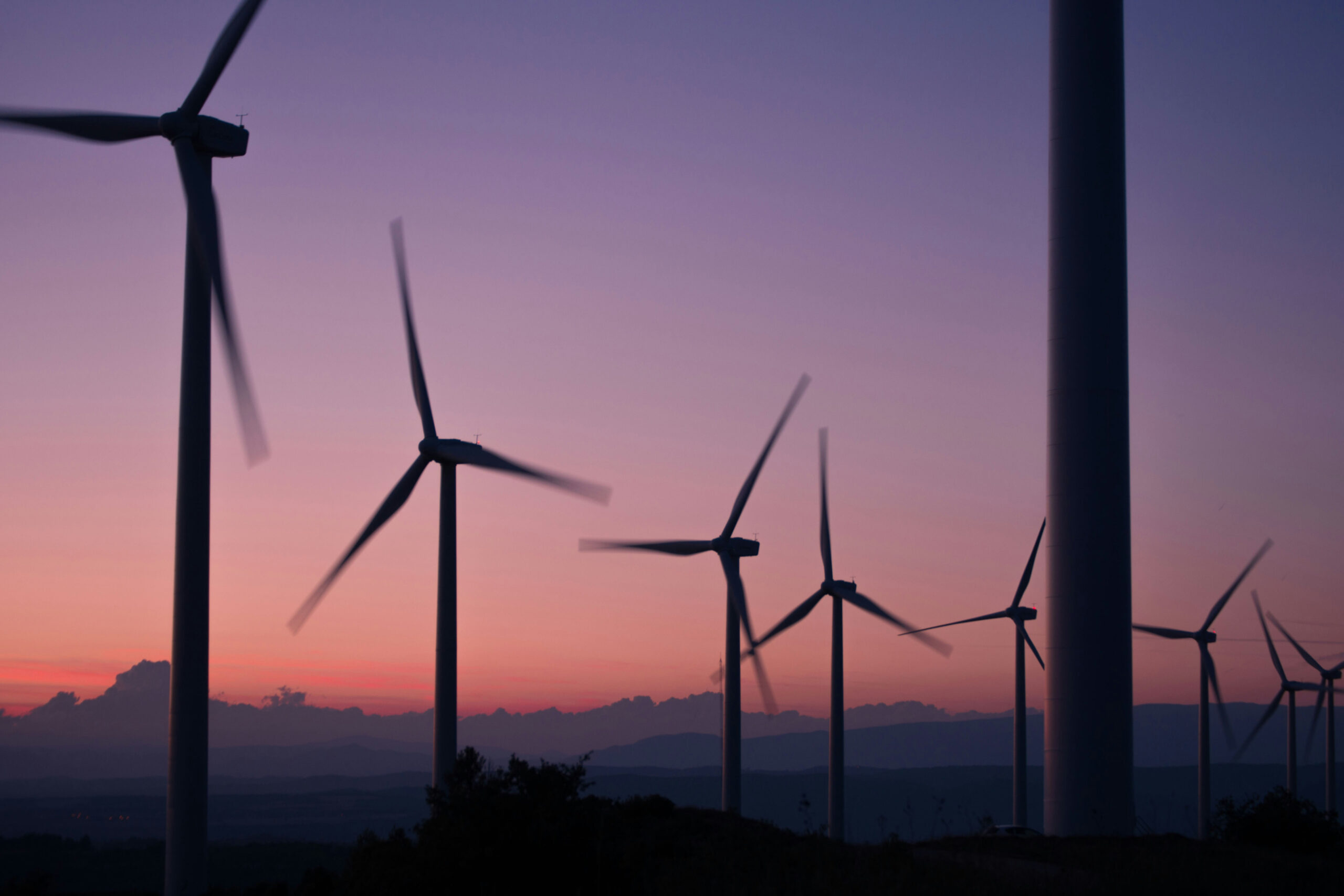
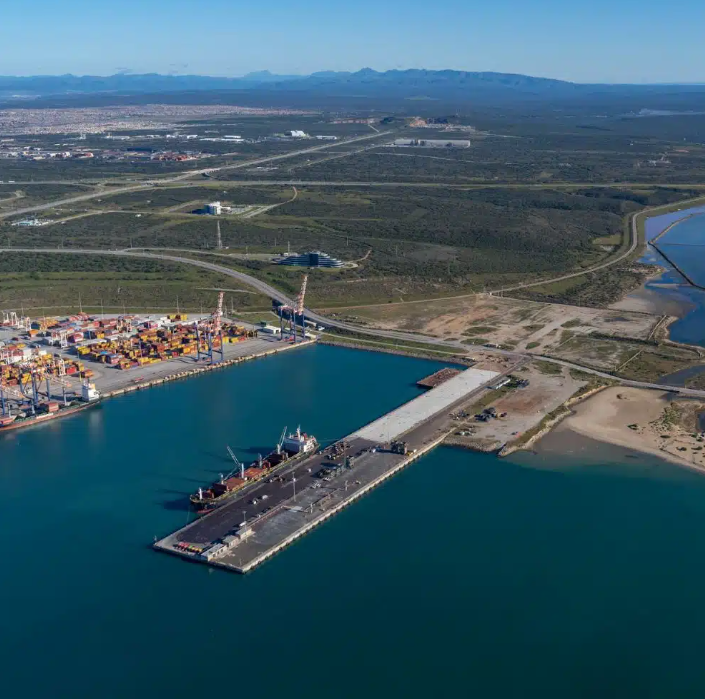
Not one gigawatt-scale green hydrogen project in Africa has taken a final investment decision. The most advanced is Coega Green Ammonia near Nelson Mandela Bay, led by Hive Hydrogen South Africa, which targets front-end engineering and design in the third quarter of this year, a decision by the third quarter of 2027, and commercial operation in late 2029 or 2030. It plans a 1.2GW electrolyser drawing on 3.5GW of solar and wind, backed by $20 million from the SA-H2 Fund, for roughly a million tonnes of green ammonia a year.
Resource has never been the constraint. The IEA puts more than 1,000 terawatts of technical solar and onshore wind potential across the continent, theoretically enough for more than 45,000 million tonnes of hydrogen annually.
What has moved instead is the buyers. CWP Global paused its AMAN project in Mauritania in June 2025 citing a lack of committed offtake, on a development estimated at $40 billion and designed for up to 1.7 million tonnes of hydrogen a year. RWE withdrew from a non-binding offtake memorandum with Hyphen in Namibia in September 2025. Mauritania’s two largest land concession agreements, accounting for 20 of the 23 million tonnes of announced ammonia capacity, have been put on hold, against a national strategy seeking $22.7 billion by 2030, roughly twenty times the country’s current GDP.
Financing costs then compound the gap. The IEA’s weighted average cost of capital figures put Tunisia and Ghana at approximately 16 per cent, Namibia, Morocco and South Africa between 6.6 and 8.3 per cent, China at 3.6 per cent and Germany at 2.3 per cent. A project competing for the same molecule against a German developer starts several points behind before a single electrolyser is ordered.
Work is going into the frameworks that price that risk. The African Development Bank convened a validation workshop in Nouakchott on 14 and 15 April to finalise auction procedures for green hydrogen and its derivatives, its first technical assistance programme on the continent dedicated to hydrogen, run through the Sustainable Energy Fund for Africa. Wale Shonibare, the Bank’s Director for Energy Financial Solutions, Policy and Regulation, described Mauritania as positioning itself as a future leader in the sector. The country targets 12.5 million tonnes of green hydrogen a year by 2035 and belongs to the Africa Green Hydrogen Alliance alongside Egypt, Kenya, Morocco, Namibia and South Africa.
Smaller things are already running. Egypt’s Ain Sokhna facility is the continent’s first operational green hydrogen plant, at a scale distinct from the gigawatt pipeline behind it, and Plug Power has installed a 5MW electrolyser with Cleanergy Solutions Namibia. Hyphen secured a $10 million AfDB loan in December 2025 for its Lüderitz project, which would deploy 7.5GW of renewable generation, more than ten times Namibia’s current installed capacity, and supply three million litres of desalinated water a day to the town. The auction frameworks now being written will decide whether the next announcement comes with a buyer attached.