High Stakes and Hard Lines in Kenya’s Power Grid Transition
Kenya Power has started work on a KSh900 million transmission line to connect Lodwar to the national grid, decommissioning a weather-vulnerable diesel generator facility that costs the utility the same amount to run annually.
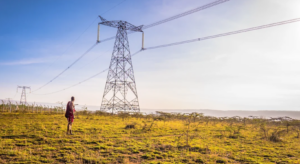
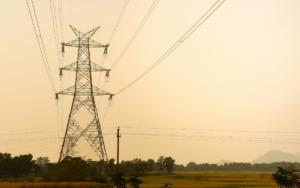
On the plains of Turkana County, engineers are clearing the path for a high-voltage extension designed to replace a localized thermal generation system that has long been prone to thermal shutdowns during regional heatwaves. Kenya Power Managing Director Dr. Eng. Joseph Siror confirmed that the fiscal footprint of operating the existing diesel plant matches the total capital expenditure required to complete the new grid link. The structural transition shifts the area away from expensive fossil fuels, cutting recurring maintenance overheads in a single stroke.
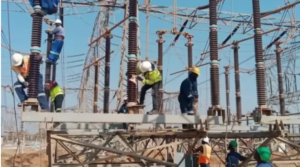
The strategy forms part of a wider infrastructure modernization push to address capacity limits across the national network. In briefings with the National Assembly Committee on Energy, Siror noted that rising domestic and industrial demand is outstripping the current thermal limits of older high-voltage transmission lines. The utility is managing this capacity mismatch through localized load-shedding to prevent wider network instability while it constructs capital upgrades like the KES 310 million Kwale substation and the 132/33kV Bomani facility in Kilifi.
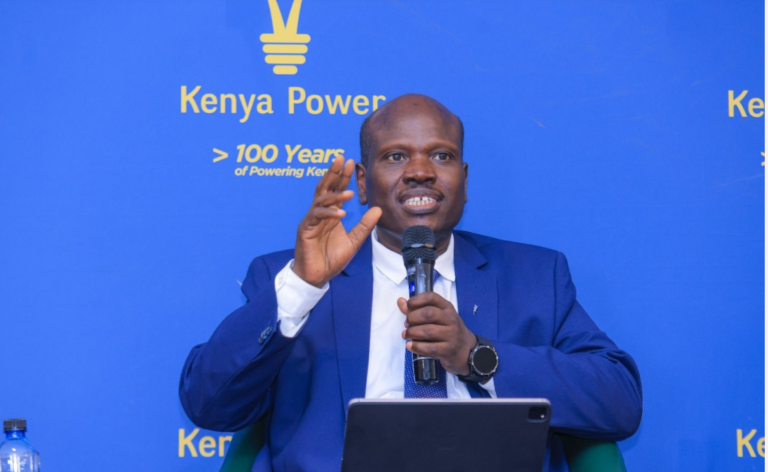
Grid improvements face financial headwinds from regional government policy rather than consumer demand. Siror warned the Kenya Editors Guild that proposed county-level wayleave charges on transmission corridors threaten to inflate retail electricity tariffs by up to 30%, undermining recent cost drops driven by a strengthening Kenya Shilling. The utility maintains that managing these localized cost factors is essential if the country is to build on its historical connection growth, which rose from 30% in 2014 to 76% this year.
Universal grid access remains the definitive target for the state utility by the end of the decade. “The expansion of the physical network must outpace peak demand growth if we are to secure industrial reliability,” Siror said.
Photo Credit: Kenya Power