Zambia Tanzania interconnector nears completion as two African power pools prepare to trade
A US$292 million grant is funding the Zambian section of the line that joins the Southern African Power Pool to its East African counterpart. Work on the Tanzanian side was due to finish this year. Once live, Zambia can import in a dry year and export in a wet one.
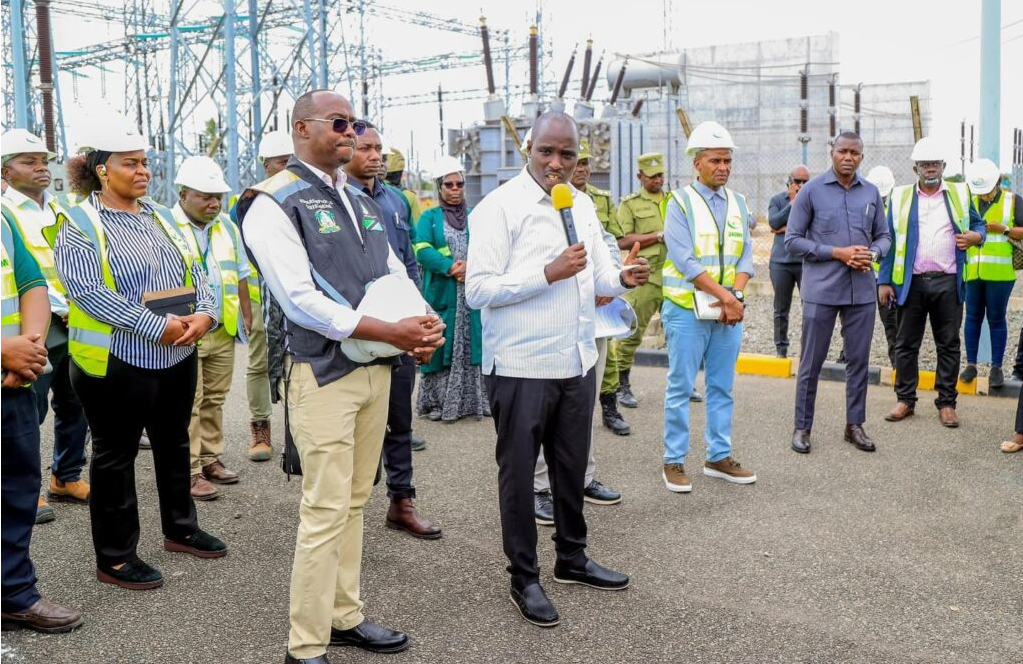
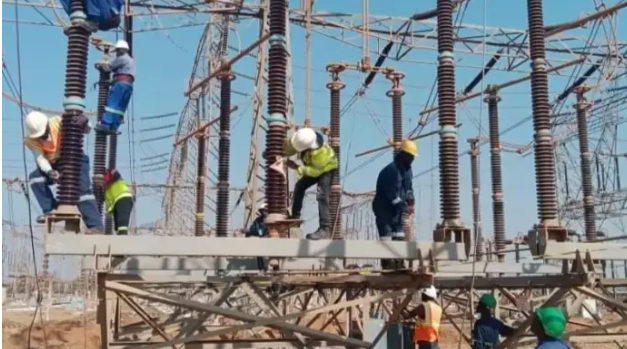
Construction on the final section of the Zambia-Tanzania-Kenya interconnector, running from Kasama in Zambia to Mbeya in Tanzania, was set to begin in January this year. Work on the Tanzanian side was expected to complete during 2026.
The line is a 400kV connection between the Southern African Power Pool and the Eastern Africa Power Pool, two markets that have never traded directly with one another. It sits within the World Bank’s Regional Energy Transmission, Trade and Decarbonization programme for Southern Africa. The Zambian section carries a net commitment of US$292 million provided entirely as grant, with US$245 million from the International Development Association, US$30 million from the European Union and US$17 million from the UK Foreign, Commonwealth and Development Office through ESMAP. No debt attaches to a utility already carrying financial viability problems.
What it changes for Zambia is the direction of trade. The country has relied on hydropower for domestic supply and for exports, and the 2024 drought exposed what that means when the Zambezi runs low. A working link north allows imports during a dry year and exports when storage recovers.
Storage has recovered for now. The Zambezi River Authority revised its 2026 allocation for power generation to 36 billion cubic metres from the 30 billion set last November, splitting it evenly between ZESCO and the Zimbabwe Power Company. Usable storage at Kariba stood at 48.09 per cent on 22 June against 23.47 per cent a year earlier.
The line runs through Kasama, in a province where grid coverage is thin, and rural connections along its route were written into the project design.
Achim Fock, World Bank Country Manager for Zambia, has said the project addresses the long-term sustainability of a power sector whose financial position has held back economic growth, and that increased electricity trade carries the potential to reduce the cost of service.
Photos: inAfrika Newsroom, RDJ Publishing & the Lusaka Times