KCB LPG financing: a smokeless kitchen for 2,300 learners in Siaya
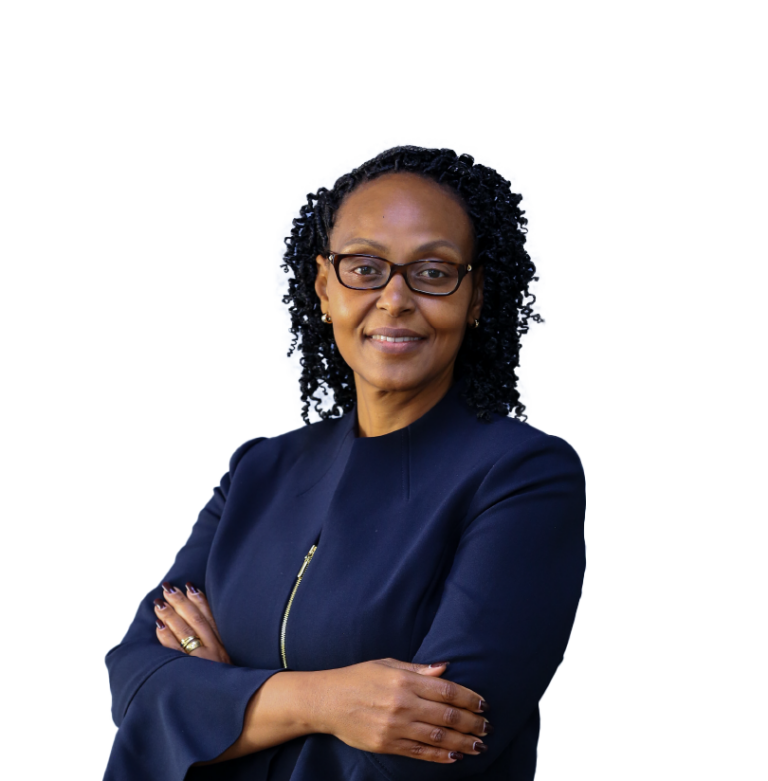
Writing for ENN, Naomi Ndele, Head of MSME Banking at KCB Bank, explains why the bank sees no end date for the clean energy loans that have taken more than 600 learning institutions onto LPG since 2022, and what that has meant for a school in Siaya County that cooked on firewood for 99 years.
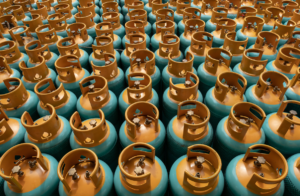
KCB Bank, one of Kenya’s leading banks, has helped more than 600 schools acquire LPG acquisition through loans totaling to more than Ksh2 billion.
So far, 594 basic learning institutions and 38 tertiary institutions have benefitted from this initiative. The former have received loans valued at Ksh1.96 billion, and the latter, approximately Ksh0.45B.
The programme, says KCB Head of MSME Banking, Ms Naomi Ndele, “does not have a life span as it presents an opportunity to support Kenya’s education sector while advancing the bank’s sustainable finance agenda.”
The bank rolled out the clean energy loan in 2022 to support the adoption of clean cooking solutions in the learning institutions.
Ms Ndele says KCB has continued to expand green lending and climate-smart financing across renewable energy, sustainable infrastructure, and climate-resilient investments. This aligns with the government’s development initiatives as outlined in various policy documents. These include: Kenya Vision 2030, Bottom-Up Economic Transformation Agenda (BETA), and National Climate Change Action Plan, among other national development strategies.
Soon after assuming office in September 2022, President Ruto issued a directive for all public institutions and schools to
transition from firewood and biomass to Liquefied Petroleum Gas (LPG) for cooking.
He said increased LPG use is a major step towards clean domestic energy consumption. He further noted that household LPG use in Kenya is above the African average of 3 kg per capita, but still falls far below the global rate that ranges between 10-15 kg.
A study by the Ministry of Energy and the Ministry of Education revealed that about 97 per cent of public learning institutions historically relied on firewood as their primary cooking fuel.
Ms Ndele asserts that the KCB financial product for learning institutions promotes sustainable development, improves educational outcomes, reduces operational costs, and strengthens the bank’s position as a leader in green and sustainable financing.
St Mary’s School, Yala in Siaya County, is one of the institutions that has benefitted from KCB’s sustainable finance. This national school, now 99 years old, had been using firewood since inception. It installed an LPG cooking system in April 2025, ending decades of relying on firewood.
Mr Justus Amkhoe, one of the cooks at the school, is delighted because they no longer have “to inhale smoke from morning to evening while preparing breakfast, lunch and supper.”
The school’s deputy principal, Mr George Bunde, says the LPG programme is working well, and asserts that it has brought relief. “We cook for 2,300 learners. That required buying, transporting
and storing a lot of firewood for daily use – a big hustle. Now all that is in the past.”
He adds: “We now have a smokeless kitchen, and the meals are always ready on time. No delays.”
According to Mr Bunde, “KCB deserve a medal for coming up with the LPG financing programme. Smoke can cause breathing problems.”
St Mary’s School Yala’s head cook, Mr Vincent Okumu, says LPG is convenient, and it takes a shorter time to have meals ready compared to using firewood.
In Kenya, LPG is used as a primary cooking solution by 31 per cent of households, with nine per cent usage by rural households and 63 per cent in urban areas. This is according to 2022 KNBS Demographic and Health Survey (DHS) 2022. The 2024 Economic Survey 2024 estimated the total consumption of LPG at 365,000 tonnes in 2023. The per capita consumption of LPG stood at 7.5kg in 2021 and is forecasted to rise to 15 kg per year by 2030.
The country relies on imports for all LPG for domestic and commercial demand.
Over the last ten years, the proportion of Kenyans using clean cooking solutions has more than doubled, from 15 per cent to 31 per cent, representing one of highest annualised average changes in access rates in Sub Saharan Africa.
The Government targets to achieve universal access to clean cooking by 2030. According to the Kenya National Cooking
Transition Strategy (KNCTS) 2024, a total of 69 per cent of the population use biomass as the primary source of energy for cooking and heating, 31 per cent rely on LPG, one per cent on electricity and less than one per cent, bioethanol.
The KNCTS has set a target to enable 50 per cent of households use LPG by 2030.
Kenya’s National Energy Compact 2025-2030 notes that transitioning 65.6 per cent of the population from traditional biomass cooking methods to clean cooking solutions by 2030 will require the supply and affordability gap for clean cooking solutions to be bridged.
Therefore, private sector participation plays a key role in accelerating development as well as increasing investment in the energy sector.