Desert Technologies sustainability report shows customers avoided 126,055 tonnes of CO₂ in 2025
Desert Technologies’ 2025 sustainability report puts the CO₂ emissions its customers avoided last year at about 126,055 tonnes, as the Saudi clean energy company, which works across the Middle East and sub-Saharan Africa, reports more than 200MW of solar projects built or now under way.
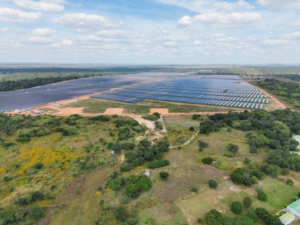
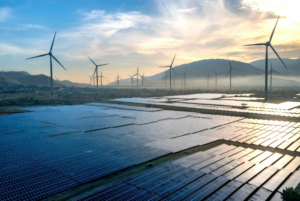
Solar projects that Desert Technologies has built or is now building have passed 200MW in total capacity, and those already operating generate about 240GWh of electricity a year, according to the Desert Technologies sustainability report for 2025, which the company published in Jeddah on 30 October.
Customers using the company’s solutions avoided about 126,055 tonnes of CO₂ emissions in 2025, the report says, taking the total avoided since Desert Technologies was founded to about 827,000 tonnes. The company met all 13 of the sustainability targets it set for the year and has advanced its disclosures with reference to the IFRS Sustainability Disclosure Standards, IFRS S1 and IFRS S2.
Its certified local content score reached 30.42%, above a target of 30%, and Saudi nationals made up 31% of a workforce that grew from 107 employees at the end of 2024 to 119 at the end of 2025.
Desert Technologies works in engineering, procurement and construction (EPC) as well as digital energy services, and has completed projects in more than 30 countries. In Africa, it signed a strategic collaboration agreement with Genesis Energy at the 2025 Africa Energy Forum, making Genesis’s solar and storage subsidiary its preferred partner on the continent for mini-grid and utility-scale projects, and it returned to the forum in Cape Town in June 2026 to exhibit its SAHARA containerised solar and storage system.
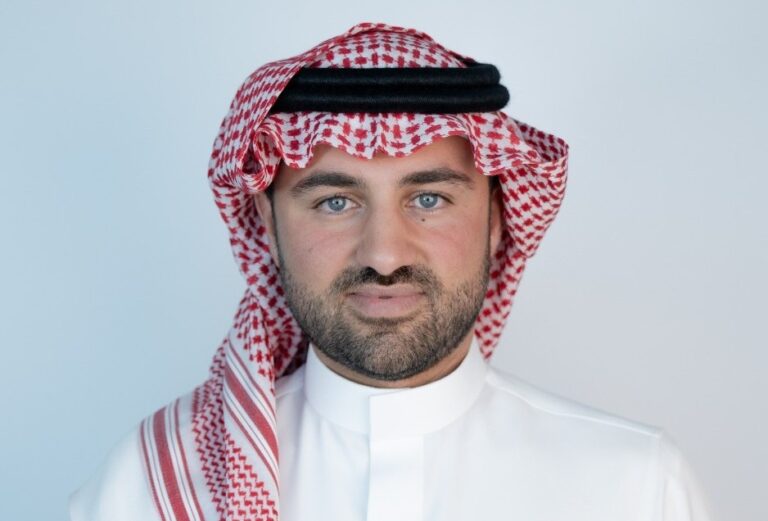
Khaled Sharbatly, the company’s chief executive, said the energy transition was a strategic responsibility for the current generation, with Saudi Arabia leading it through Vision 2030. “We at Desert Technologies are proud to contribute to these ambitious national objectives by developing and delivering clean energy infrastructure projects across Saudi Arabia, the Middle East, and Sub-Saharan Africa,” he said. “Every megawatt of clean energy brought into operation represents another step towards increasing the share of clean energy in the overall energy mix.”