Africa Energy Bank targets the borrowing costs holding African refineries back
Nigeria completed its obligations as host in February 2026, handing over the furnished Abuja headquarters. The bank itself is yet to begin lending, with September now the target. APPO’s Farid Ghezali puts African borrowing costs at 15 to 20% against 4 to 6% in Asia, and has set a $200 billion midstream goal for 2030.
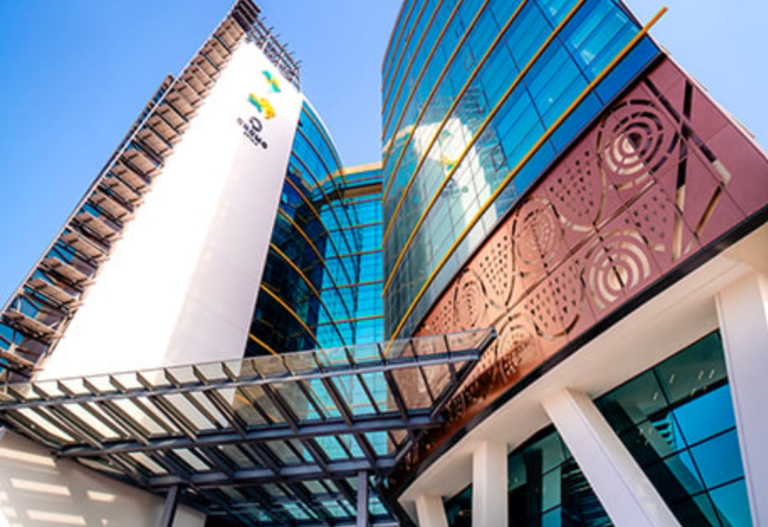
On the third floor of the Afreximbank African Trade Centre in Abuja sits the headquarters of the Africa Energy Bank, handed over in February 2026 when Nigeria’s Minister of State for Petroleum Resources, Heineken Lokpobiri, presented the furnished building to APPO and Afreximbank at the Nigeria International Energy Summit. The premises were the last of the host country’s obligations, a role Nigeria won in a 2024 bidding contest against Ghana, Benin, Algeria, South Africa and Ivory Coast. The institution that will occupy them is still assembling its board and its capital.
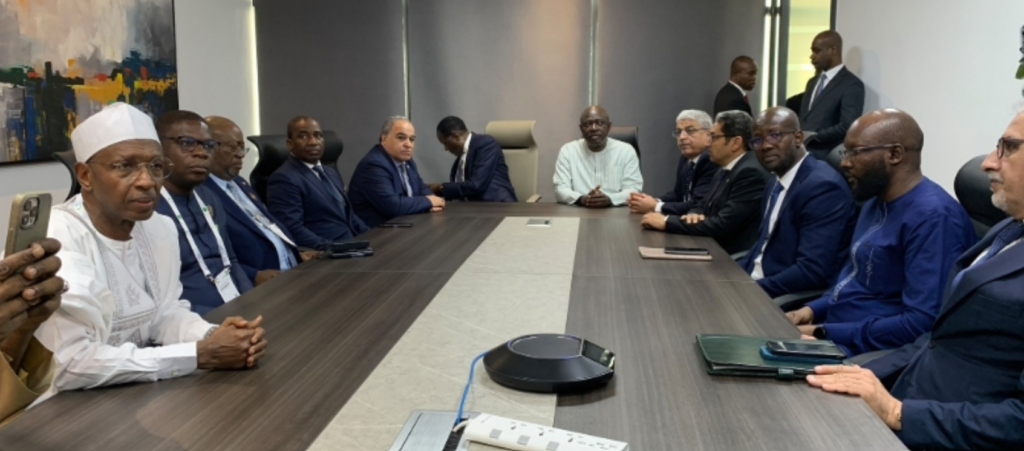
That institution is built to do something African energy finance has lacked. Farid Ghezali, who became secretary general of the African Petroleum Producers’ Organisation in January, told the same summit that energy projects on the continent carry financing costs of 15 to 20%, against 4 to 6% in Asia, and that the differential has held back more than 150 projects including refineries and the AKK gas pipeline. Western lenders and export credit agencies have stepped back from African oil and gas, and the founders’ concern is what that could strand, with the continent holding some 120 billion barrels of proven oil and around 18 trillion cubic metres of gas while importing more than 60% of the petroleum products it consumes.
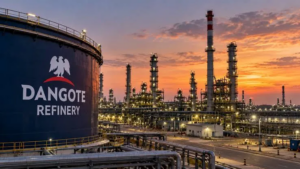
The lending plan is specific. The bank intends to finance 20 to 30 LNG, pipeline, terminal and refining projects by 2030, with projects that monetise natural gas as a transition fuel taking around 40% of the loan book, and priority given to work that supports between 500,000 and 1 million direct and indirect jobs across the energy value chain. Ghezali has set a target of $200 billion for the continent’s midstream and downstream needs by 2030, with $15 billion of lending inside three years, and has raised the prospect of listing shares in national oil companies and in individual assets such as the Dangote refinery, on the argument that APPO’s 18 national oil companies have no common exchange between them. The African Energy Chamber sees the institution growing towards $120 billion in assets within three to five years.
The reasoning will be familiar from critical minerals. Africa exports about 70% of its crude and 45% of its natural gas, and Ghezali puts the value forgone at roughly $15 billion a year, money that refining and processing would keep on the continent. Financing the midstream is the route to changing that, which is why the mandate runs past the wellhead.
Capitalisation is the work in progress. The $5 billion of share capital is to be subscribed over three years, with an initial $1.5 billion reserved for APPO’s member states at $83 million each. Nigeria, Angola, Ghana and Senegal have met their commitments, with Algeria, Benin, the Republic of Congo, Equatorial Guinea and Ivory Coast among those pledging to follow, and Afreximbank has approved a $1.75 billion investment alongside the members. Subscriptions have been reported at around 45% since late 2024. The date for operations has moved several times, from an original target of September 2024 to the third quarter of this year, which Ghezali attributes to administrative deadlines that cannot be compressed.
Board appointments and shareholder meetings are the steps remaining before lending begins. Starting in September would put the bank into a market where the capital it was designed to replace shows no sign of returning, and in front of the continent’s investors at African Energy Week in Cape Town the following month.
Photo: James Blessed