Côte d’Ivoire refinery upgrade must raise €633 million before its 2029 commissioning
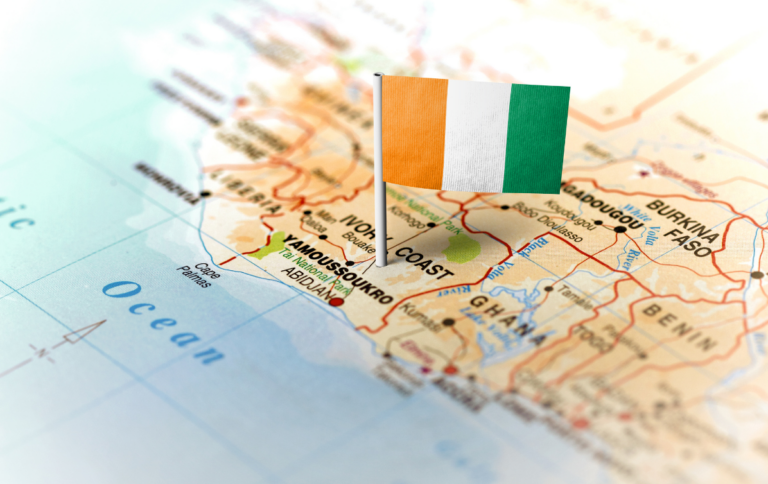
The African Development Bank is mandated lead arranger on an €833 million diesel hydrodesulfurisation complex at Société Ivoirienne de Raffinage in Abidjan, and has committed €200 million of its own. Mali and Burkina Faso both draw refined products from the plant, so the balance matters well beyond one country.
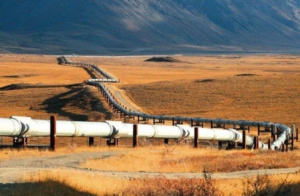
Société Ivoirienne de Raffinage has been processing crude in Abidjan since 1962 and runs at 80,000 barrels per stream day. What it cannot yet do is strip sulfur to the levels international specifications now demand, and the complex being built to change that carries a bill of €833 million.
The African Development Bank has committed €200 million of it and taken the mandated lead arranger role, which leaves €633 million to be mobilised from a consortium of development finance institutions and other partners before commissioning in 2029. Structuring that balance is the work now in front of the Bank, and it is the part that determines whether the timeline holds.
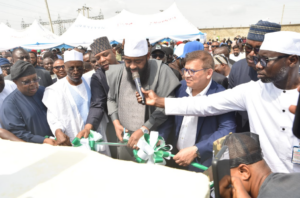
SIR is pursuing the same specification through more than one route. A structured financing was signed in Lomé on 11 June with a banking pool including Banque Atlantique Côte d’Ivoire, covering a gasoil desulfurisation unit intended to put Euro V-compliant gasoil on the market. Two financings aimed at the same outcome suggests a refinery unwilling to wait on any single arrangement closing.
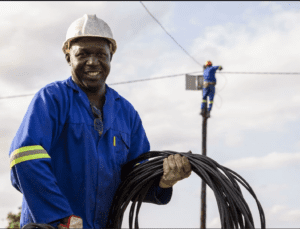
The employment case is unusually specific for a project at this stage. Around 1,140 jobs are expected on site during construction, with 82 permanent positions once the complex runs and roughly 900 existing jobs supported alongside them. Fifty employees will go through a training programme built around the technology.
Kevin Kariuki, the Bank’s vice president for power, energy, climate and green growth, said the project combines industrial modernisation with climate action while improving public health across West Africa. The Bank has framed it as strengthening energy security for Côte d’Ivoire and for the landlocked neighbours drawing refined products from Abidjan, naming Mali and Burkina Faso, and as preserving the competitiveness of one of the largest working refineries in West Africa.
That dependency is what makes the funding gap a regional question. Two Sahel states with no coastline and no refining of their own buy fuel processed in a third country, so the specification SIR can meet becomes the specification available to them. Refining has been a live question across West Africa since Dangote began reshaping fuel movements, and an upgrade is a narrower proposition to finance than a new build, since the plant, the crude arrangements and the customers all already exist. What remains is the money.