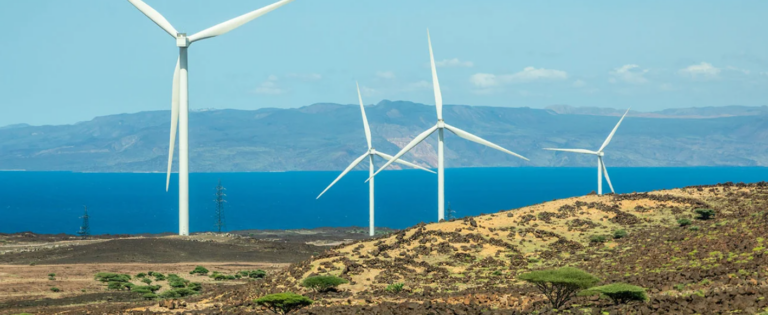
Ethiopia wind power reaches 300MW as AfDB approves $110 million
The African Development Bank has cleared financing for the Aysha project in the country’s east, which will become Ethiopia’s largest wind farm. Finance Minister Ahmed Shide calls it a cornerstone of national energy policy, and the bank is helping raise a further $381 million from other lenders.
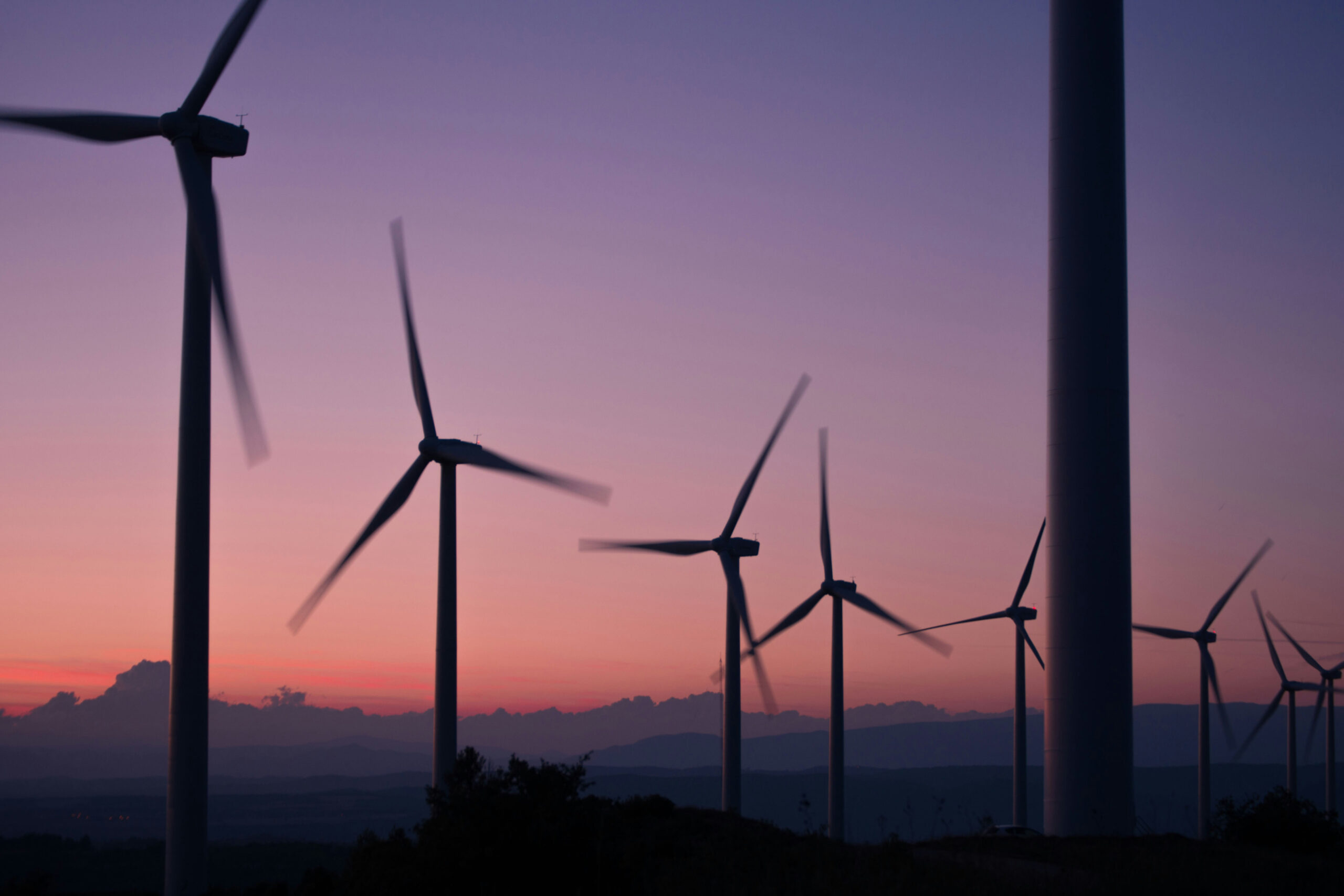
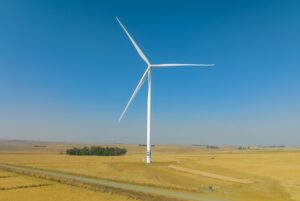
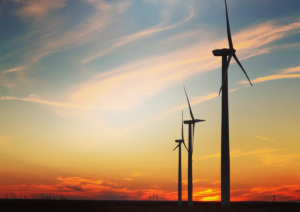
African Development Bank has approved up to $110 million for the 300MW Aysha wind project in eastern Ethiopia, clearing the way for what will be the country’s largest wind farm. The package combines $80 million from the bank itself, $20 million from the Clean Technology Fund and $10 million from the Sustainable Energy Fund for Africa.
Ethiopia’s Finance Minister, Ahmed Shide, described the project as a cornerstone of the country’s energy policy. It builds on ground already broken at Aysha II, whose first 120MW phase was inaugurated in January 2026 by Prime Minister Abiy Ahmed alongside the presidents of Djibouti and Somalia, a signal of how the corridor is understood regionally as well as nationally.
Getting here took time. The selection process opened in December 2023 and the power purchase agreements were finalised in August 2024, a sequence that reflects how long a first-of-its-kind public-private structure takes to assemble in a market where the utility is the sole offtaker.
The bank’s approval is not the whole of the financing. It is now working to mobilise a further $381.1 million from development finance institutions, including a planned $65 million investment, which means the $110 million functions as the anchor that makes the rest raisable rather than as the sum of the project.
That role is the point, in the view of Wale Shonibare, the bank’s Director of Energy Financial Solutions. “The Aysha project demonstrates what can be achieved when governments, development partners, and private investors work together to solve bankability challenges,” he said.
For Ethiopia, whose generation has leaned heavily on hydropower, wind at this scale changes the mix rather than simply adding to it. A country whose rivers carry its electricity system is exposed to the same rainfall that Zambia and Zimbabwe have learned to worry about, and 300MW of wind in the east is a hedge as much as a build.
Photo: Afdb