Nigeria electricity subsidy reaches N358bn in a quarter as removal moves to 2027
The Federal Government carried N358.32 billion of Nigeria’s electricity generation costs in the first quarter of 2026, a little under 52 per cent of the N689.72 billion invoiced by generation companies across those three months. The monthly figures ran N126.48 billion in January, N116.34 billion in February and N115.50 billion in March.
That is a fall of 14.44 per cent on the N418.79 billion recorded in the final quarter of 2025, and the Nigerian Electricity Regulatory Commission attributes the drop to an 8.56 per cent decline in electricity taken by distribution companies rather than to any movement toward cost-reflective pricing. End-user tariffs remain at the rates set in July 2024. Across thirty-one months the subsidy has come to N3.14 trillion.
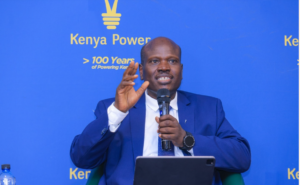
Power Minister Joseph Tegbe has ruled out an immediate tariff increase and said payments will be phased out from next year, with a Power Consumer Assistance Fund cushioning vulnerable consumers. Neither the implementation timeline nor the consumer protection measures have been published.
Modelling by ZKJ Energy puts cost-reflective tariffs between N174 per kilowatt hour at Ikeja Electric and N216 at Yola Electricity Distribution Company, with the spread driven by distribution expenses and aggregate technical, commercial and collection losses. The firm’s conclusion is that tariff reform on its own will not restore bankability, and that lower network losses, better metering and collection, stronger transmission capacity, firm gas supply and efficient dispatch all have to move together.
NERC has begun acting on distribution performance directly. Order No. NERC/2026/08 dissolved the board of Kaduna Electricity Distribution Company following repeated failures to meet market obligations, and an interim board was inaugurated on 19 August with twelve months to reset the utility.
Photo credit: Unsplash