Nigeria’s power sector bonds reach ₦1.23tn with Series 2 signed in Abuja
The Federal Government has raised ₦728.9 billion through the Series 2 issuance of its power sector bond programme, taking the total raised in nine months past ₦1.23 trillion. The money settles verified debts owed to generation companies rather than building anything new.
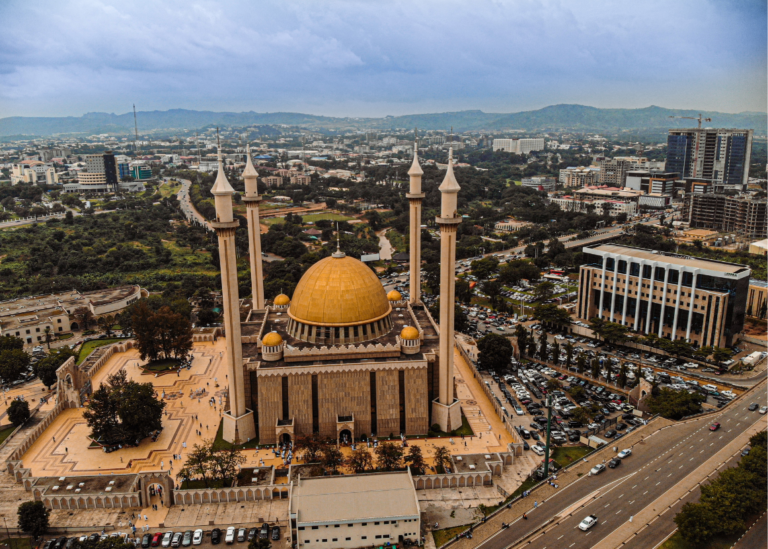
Nigeria has now raised more than ₦1.23 trillion against electricity sector arrears in nine months, after financing documents for a second bond of ₦728.9 billion were signed at Transcorp in Abuja last month.
Both issuances sit inside a ₦4 trillion programme approved by the Federal Executive Council last year, with the Nigerian Bulk Electricity Trading company designated to sponsor the settlement of verified legacy obligations owed to generation companies for power they supplied and were never fully paid for.
The instrument has been structured to reach domestic institutional money, being eligible for pension fund investment and recognised by the Central Bank of Nigeria for liquidity purposes, which is how a debt that began as an obligation between market participants becomes an asset a Nigerian pension fund can hold.
Michael Nwezi, managing director of CardinalStone Partners, described the first series as a test of whether the market would support an instrument of this kind despite the complexities around the sector, and the second as “an even better outing on this second issuance”.
Lanre Babalola, Special Adviser to the President on Power, was careful to separate the two things the programme is often assumed to do, saying that settling debt restores commercial stability without amounting to reform of the sector itself.
What the bonds do not touch is the flow of new arrears. Electricity tariffs have been held at the level set in July 2024 with the Federal Government covering the difference, and the Nigerian Electricity Regulatory Commission put that subsidy obligation at ₦358.32 billion in the first quarter of this year alone.
Series 1 and Series 2 together complete the first phase of the ₦4 trillion programme, with the remainder still to be issued.