Red Rocket Expands Real-Time Bird Detection Across Its Wind Farms
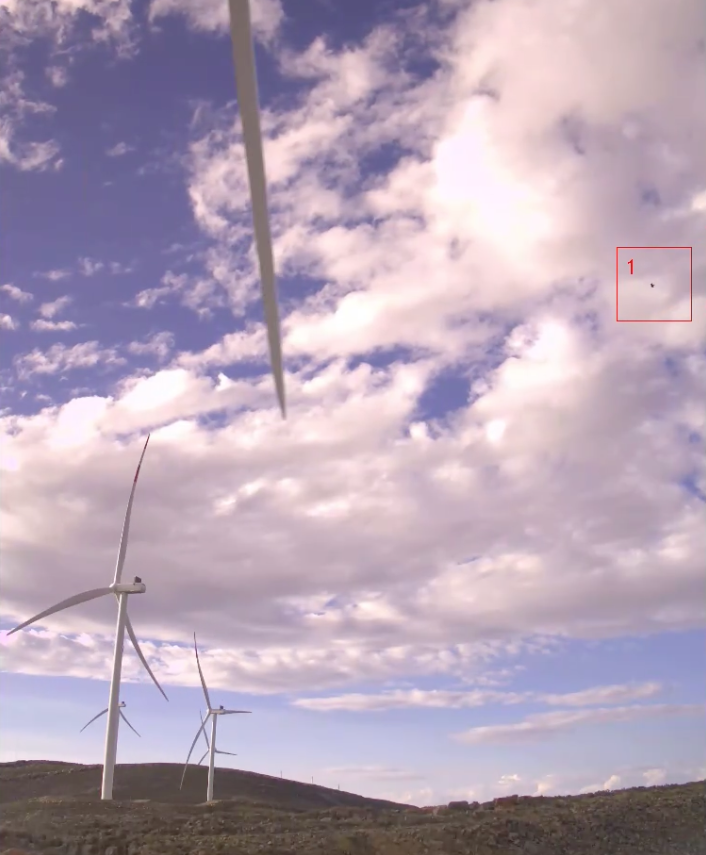
Red Rocket has expanded the deployment of advanced bird detection technology across its wind farms following successful results from its initial rollout in South Africa. The move marks an important milestone in the company’s approach to balancing renewable energy development with biodiversity protection, using real-time monitoring and targeted turbine interventions to reduce collision risks for species of conservation concern.
In this interview with Energy News Network (ENN), Magdalena Michalowska-Logan, Sustainability and HSEQ Director at Red Rocket, explains what prompted the investment, the lessons learned from the first year of operation, and why technologies such as BioSeco could become standard practice as the wind sector continues to grow.
1. What drove this investment, and why was now the right time to introduce the technology?
Bird protection remains one of the most complex challenges in wind energy due to the inherent unpredictability of bird movement, which varies with weather patterns, seasonal changes and prey availability, and differs significantly by site and species. As wind energy continues to scale, the central issue is no longer whether it should expand, but how it does so responsibly.
From Red Rocket’s perspective, monitoring data was the primary catalyst. Once fatalities involving species of conservation concern are identified, there is a clear obligation to respond. This is both an ethical and commercial imperative: biodiversity performance is closely linked to lender requirements, regulatory compliance and social licence to operate. BioSeco represented a mature and practical solution capable of reducing real collision risk without compromising energy output, making this an appropriate time to invest.
2. What have been the most significant findings or results since introduction, and how has it performed in practice?
The first year of operation at Brandvalley and Rietkloof delivered valuable real world performance data within the South African context. The system has demonstrated consistent and reliable detection of priority species, coupled with highly targeted turbine shutdowns that are only initiated when a genuine collision risk is identified.
In practice, interventions are precise and limited in duration, resulting in minimal curtailment while materially strengthening biodiversity risk management. These outcomes supported the decision to expand deployment across additional Red Rocket wind farms.
3. How has the technology helped balance biodiversity protection with wind farm operations?
BioSeco enables a transition from broad, precautionary curtailment or observer led interventions to a targeted, risk based operating model. Turbines are only curtailed when real time data indicates an actual collision risk.
This approach significantly reduces unnecessary energy losses while improving biodiversity outcomes, demonstrating that effective bird protection and reliable energy generation are not mutually exclusive.
4. What value does the bird movement data provide, and could it influence future wind projects?
The bird movement data provides detailed insight into species presence, flight behaviour and spatial use across varying seasons and operating conditions. This information supports adaptive management at existing facilities and strengthens decision making over time.
Importantly, it can also strengthen ongoing environmental management by informing adaptive operational strategies and improving how risk is identified and addressed throughout the project lifecycle.
5. Looking back on the rollout, what has been the biggest success, and will this become standard practice?
A key success has been demonstrating that real time, automated biodiversity protection can be effectively integrated into operating wind farms in South Africa without materially impacting energy output. At higher risk sites, this type of technology is expected to become standard practice. As the local evidence base strengthens, the business case becomes progressively stronger. By moving early, Red Rocket has been able to help shape emerging best practice rather than respond reactively.