
Tanesco accelerates large-scale wind and solar procurement to hedge against hydropower deficits
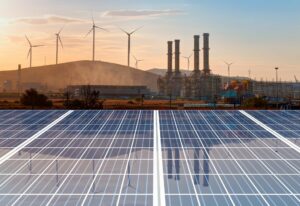
The Tanzania Electric Supply Company has launched a renewable energy independent power producer procurement initiative. The program invites unsolicited private infrastructure capital to fast-track the deployment of 500MW of wind and 463MW of solar photovoltaic capacity to insulate the national grid from climate-driven generation deficits.
At the state utility headquarters in Dar es Salaam, power system planners have finalized a fast-track procurement framework to integrate private generation assets into the national grid. The deployment mechanism establishes structured pathways for independent power producers to diversify the state-piloted energy mix. For decades, the domestic power sector relied on centralized hydroelectric assets, leaving industrial supply exposed to seasonal drought fluctuations. This emergency procurement strategy transitions the state utility from complete structural reliance on large-scale hydro baseloads to a decentralized, hybrid supply matrix.
The technical directive targets the development of 500MW of wind and 463MWp of utility-scale solar capacity by the end of the decade. While the recent commissioning of the 2.1GW Julius Nyerere hydroelectric plant provided an immediate 51 per cent reserve margin, official demand projections track a sharp acceleration in peak regional load from 2.5GW today up to 6.5GW by 2030. By encouraging unsolicited private bids alongside formal tender allocations, Tanesco intends to compress the initial feasibility phase to within 12 months of memorandum execution.
Initial power purchase agreements under the revised framework are scheduled for final execution before the conclusion of the current fiscal quarter. Upfront capital expenditure metrics pass the primary construction and development risks to international energy syndicates, bypassing the domestic debt limitations that frequently slow public infrastructure builds. Concurrently, localized industrial developments are expanding, with domestic solar panel manufacturing capacity set to scale toward 3.5GW as new processing assets clear commissioning phases.
Parallel regulatory changes to the cross-border wheeling architecture highlight a broader regional shift toward integrated power pools. The Ministry of Energy is aligning procurement terms with the open-access codes of the Eastern Africa Power Pool, establishing non-discriminatory network access parameters to enable bulk electricity trading. By synchronizing pricing profiles across adjacent states, the utility aims to establish a transparent market-clearing matrix to absorb localized generation variances.
Securing long-term private capital participation remains the absolute determinant of Tanzania’s network modernization strategy. Project developers must navigate historical institutional skepticism toward private infrastructure equity, rooted in legacy collectivist economic planning frameworks. Ultimately, the capacity of the utility to finalize the first three independent power contracts will determine whether the national grid can successfully insulate its consumer tariff structure from climate-driven energy shocks.
Images: Unsplash