Why Industrial Energy Infrastructure Matters for Africa’s Growth Agenda
As African economies pursue industrialisation, the conversation around energy infrastructure is increasingly shifting beyond electricity access towards industrial competitiveness, manufacturing growth and economic resilience. Reliable energy supply is becoming a critical requirement for mining, processing industries and value-added production, particularly in resource-rich economies seeking to capture greater value from their natural resources.
In an interview with Energy News Network (ENN), Greg Fyfe, Chief Investment Officer at DBSA, discusses the strategic importance of Ghana’s Kumasi Pipeline project, the role energy infrastructure plays in strengthening investor confidence and industrial productivity, and what catalytic financing looks like in practice when delivering large-scale infrastructure projects across the continent.
The Kumasi Pipeline project in Ghana is being positioned as strategic infrastructure for industrial energy security. Why are projects like this becoming increasingly important for Africa’s wider industrialisation agenda?
Ghana is the largest gold producer in West Africa, and mining exports account for more than 40% of the country’s total foreign earnings. Yet for years, the mining sector was forced to cut production by up to 50% during energy crises – not because the ore ran out, but because the power did. That is an extraordinary constraint on a country’s sovereign revenue. It is the kind of structural vulnerability that holds an entire industrialisation agenda hostage.
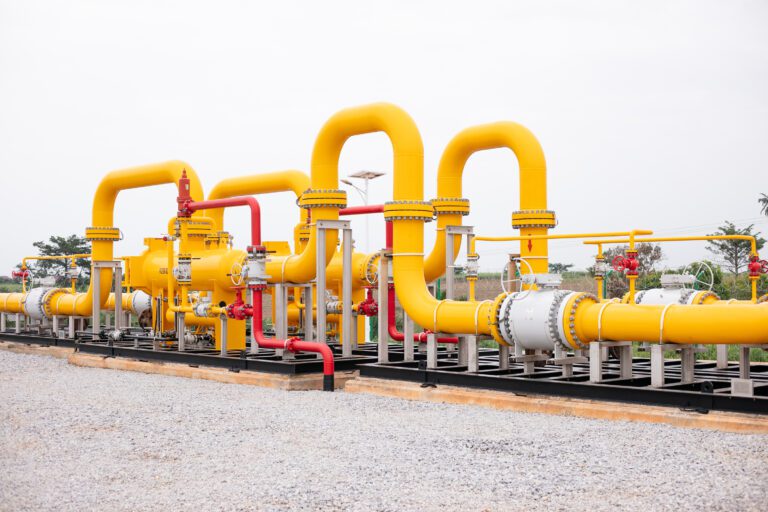
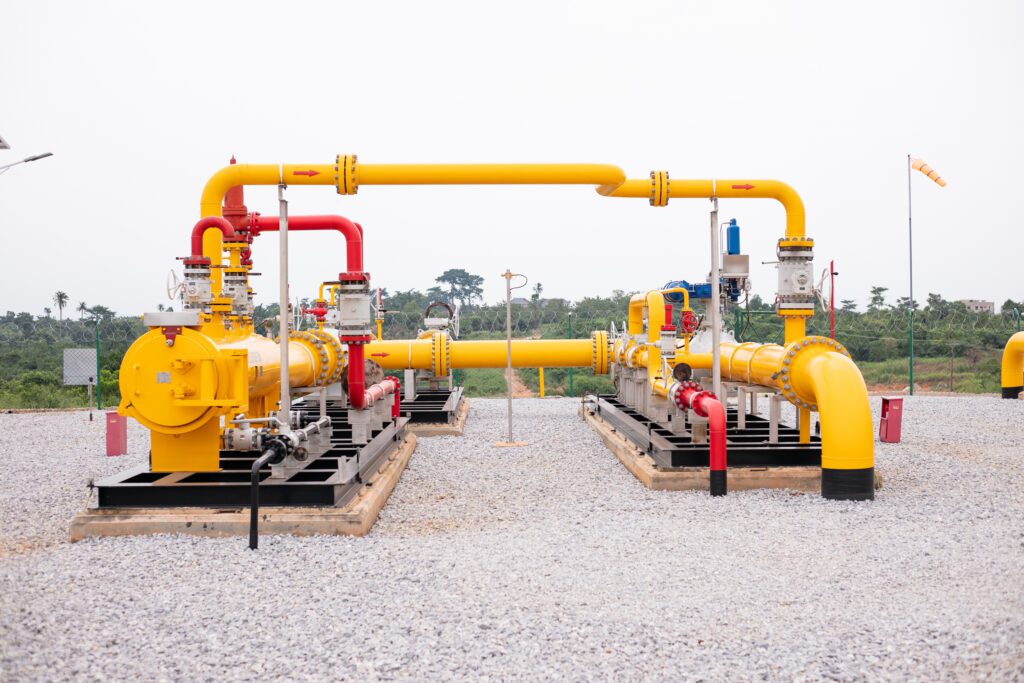
The Kumasi Pipeline directly addresses that vulnerability. The 105 km, 24-inch pipeline extension to Kumasi forms part of Genser Energy Ghana Limited’s broader natural gas pipeline network in Ghana’s Western Region and supports the company’s 310 MW installed generation platform serving Ghana’s mining and industrial sectors. It reduces dependency on the national grid, eliminates the cost premium of diesel-generated power, and creates the conditions for consistent, uninterrupted industrial production.
But what makes projects like this strategically important beyond the immediate energy supply is what they unlock downstream. Reliable, affordable industrial energy is a prerequisite for processing and beneficiation – for moving Ghana, and Africa more broadly, from exporting raw commodities to exporting finished goods. It is the difference between selling gold ore and selling refined gold. That value-add, multiplied across the continent’s resource base, is where Africa’s real industrial future lies.
Energy security is now closely tied to manufacturing, mining, processing industries and economic resilience. How does infrastructure such as the Kumasi Pipeline help strengthen investor confidence and industrial productivity beyond simply supplying energy?
The pipeline solves an immediate problem – reliable power to mines. But its effects are layered in ways that matter enormously to investors and to industrial operators.
Start with cost predictability. When a mine is running on diesel generators, its energy cost is volatile – it moves with global oil prices, with supply chain disruptions, with logistics challenges. Pipeline gas supply changes that calculus. It provides a known, stable cost per unit of energy for the operational life of the infrastructure. For an investor modelling a 20-year mining concession, that predictability is not a minor benefit. It can be the difference between a viable project and an unfinanceable one.
Then consider the grid relief effect. The Kumasi Pipeline alleviates pressure on Ghana’s national transmission system. GEGL is also pursuing wheeling arrangements with GRIDCo – Ghana’s national transmission company – that will allow it to supply excess power to other industrial consumers at lower tariffs, since the grid will not be carrying the cost of new infrastructure investment. That is a systemic efficiency gain that benefits the entire industrial economy, not just the mines directly supplied by the pipeline.
“For an investor modelling a 20-year mining concession, energy cost predictability is not a minor benefit. It can be the difference between a viable project and an unfinanceable one.”
And beyond Ghana, the pipeline’s regional dimension is already emerging. GEGL is already exporting excess power to Côte d’Ivoire while evaluating additional regional power supply opportunities through existing cross-border transmission frameworks. For investors assessing the regional opportunity, that kind of multiplier effect is exactly what they need to see.
DBSA often positions itself as an institution focused on delivery rather than simply dialogue. What does catalytic infrastructure financing actually look like in practice on projects such as the Kumasi Pipeline?
Catalytic financing is a phrase that gets used a lot. Let me explain what it meant on this project specifically.
GEGL’s Phase III expansion – of which the Kumasi Pipeline was the central component – required US$325 million in senior long-term debt financing. DBSA contributed US$100 million, representing 31% of total project cost. We were approached because the transaction needed a DFI anchor – an institution willing to structure a long-tenor, complex facility in a market where purely commercial lenders would have required either shorter durations, higher pricing, or both. Our participation changed what was possible for the transaction. That is the catalytic effect: not just contributing capital, but changing the structure of what the capital market can deliver.
But delivery, for DBSA, does not stop at financial close. We conducted site visits to physically verify the pipeline’s completion. Our team – including sector specialists, environmental experts, risk officers and investment officers – engaged directly with the client, with community representatives, and with affected stakeholders. We assessed not just whether the 105 km pipeline was built, but whether the development outcomes we committed to at investment committee were being realised.
“Our participation changed what was possible for the transaction. That is the catalytic effect: not just contributing capital, but changing the structure of what the capital market can deliver.”
In practice, that meant interrogating whether women were being employed beyond the minimum targets specified in the Development Results Targets – they were, by a significant margin. It meant verifying that grievance mechanisms were functioning, that affected farmers had been compensated, that the environmental management plan was being audited and acted upon. It meant meeting tribal chiefs in communities along the right-of-way, because development finance that does not respect local culture is development finance that will not last.
Delivery means being present from origination to evaluation. That is what distinguishes a development finance institution from a commercial bank.
DBSA joins the Africa Energy Forum (aef) 2026 as Country Host, reinforcing its commitment to advancing infrastructure development, regional integration and investment across the continent’s energy sector. Gregory Fyfe, Chief Investment Officer at DBSA, will join fellow DBSA executives and industry leaders as part of the speaker faculty, contributing to discussions on financing, infrastructure delivery and Africa’s industrial growth agenda.
Photo credits: Genser Energy