Powering Industrial Growth: Why Delivery, Grids and Localisation Will Define Africa’s Energy Future
As Africa pursues industrialisation, the conversation is increasingly shifting beyond megawatts alone. Reliable power systems, grid expansion, local capability development and effective project execution are becoming critical to translating energy investment into long-term economic growth.
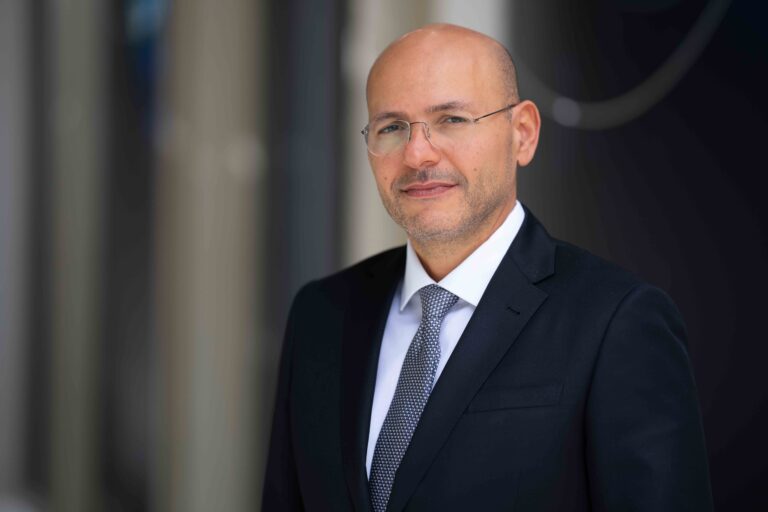
In an interview with Energy News Network (ENN), ahead of the Africa Energy Forum (aef) 2026, Hussein Shoukry, Managing Director, Middle East and Africa, Siemens Energy, discusses what it will take for Africa’s energy systems to better support industrial growth, the importance of grid investment, and how localisation can help ensure energy infrastructure delivers lasting economic value beyond the projects themselves.
1. This year, aef is held under the theme “Building Africa’s Industrialised Future.” What will it take for Africa’s energy systems to better support industrial growth and create long-term economic value?
It will require long-term planning and energy systems designed to support growth, competitiveness and resilience. That means not only adding new capacity, but ensuring power is reliable, affordable and backed by the right grids, investment frameworks and delivery models. Energy should be treated as a strategic enabler of economic development, not simply as infrastructure. Countries that can combine ambition with execution will be best placed to attract investment, strengthen industry and create broader economic value.
2. South Africa has strong reform momentum and a major power build-out ahead. What will matter most in translating that ambition into delivery?
South Africa’s opportunity is significant, and there is already strong momentum building. In this context, three factors are especially important to translate ambition into delivery: early planning and alignment across the value chain, clear visibility on the project pipeline so partners can invest with confidence, and procurement approaches that support delivery at scale. In parallel, grid expansion has to move alongside generation, because new capacity only creates value if it can be connected and delivered where it is needed. South Africa’s IRP 2025 reflects the scale of the opportunity; success will depend on turning that into investable, executable projects that support the country’s growth and industrialisation.
3. Why is grid investment becoming so central to Africa’s industrial future?
Grid investment is central because power only creates economic value if it can be delivered reliably to where it is needed. For industry, that means transmission and distribution are no longer a secondary issue; they are part of the growth story. Across Africa, the scale of renewable ambition is rising, but weak grids can leave projects stranded and delay investment. Strengthening the grid improves reliability, supports diversification and gives businesses greater confidence to invest.
4. How important is localisation in turning energy ambition into lasting economic value?
Localisation is a strategic enabler because it determines whether energy investment delivers only infrastructure, or also broader economic value. The countries that benefit most from large-scale energy build-out will be those that use it to strengthen skills, service capability and industrial strength alongside project delivery. Siemens Energy’s own presence in South Africa reflects that approach, including through the Wadeville Service Centre and our Power Academy, which trains around 500 learners each year. Over time, localisation helps make the system more resilient, strengthens execution and ensures the benefits of energy investment are anchored more deeply in the local economy.