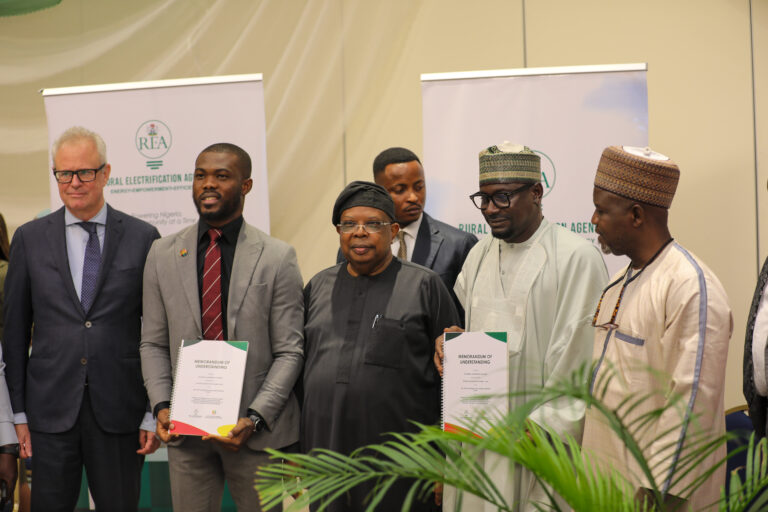
Youth Sustainable Development Network signs clean energy agreement with Nigeria’s REA
The Youth Sustainable Development Network has agreed a partnership with the Rural Electrification Agency covering clean energy adoption, market readiness and productive use, signed in Abuja before the power minister, Joseph Tegbe. Co-founder Damilola Hamid Balogun says the test is whether it improves lives, not that it was signed.
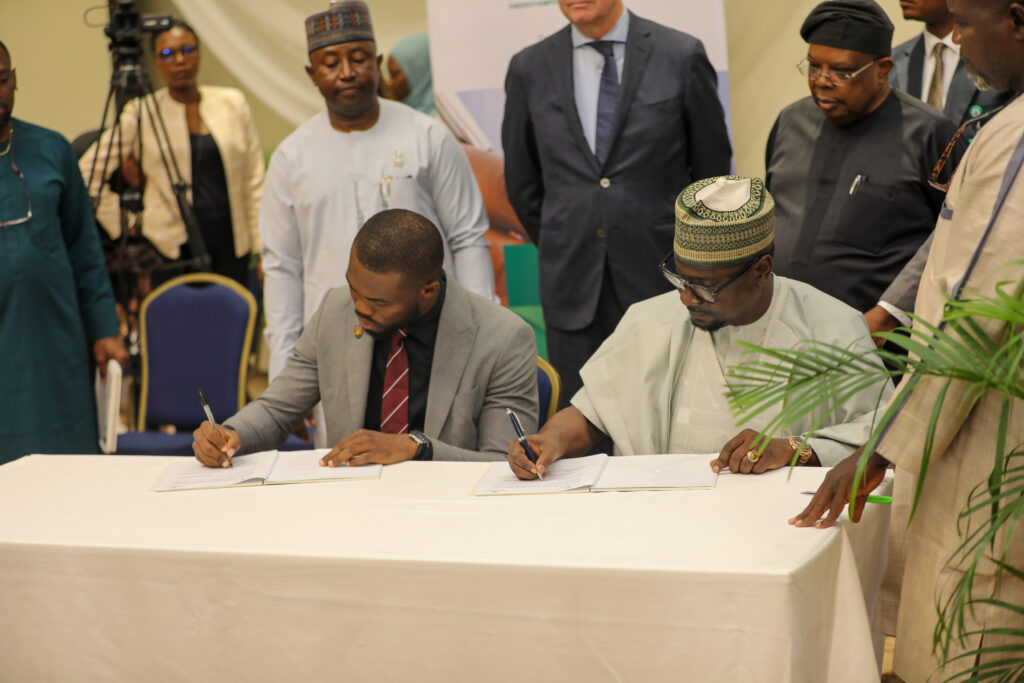
The Youth Sustainable Development Network has signed a memorandum of understanding with the Rural Electrification Agency, an agreement covering clean energy adoption, market readiness, capacity building and productive-use energy across Nigeria. The signing in Abuja was witnessed by the power minister, Joseph Tegbe, and the agency’s managing director, Abba Aliyu, senior company that says something about where youth organisations now sit in the country’s energy conversation.
Damilola Hamid Balogun, the network’s co-founder, set the bar for it himself. “This partnership represents more than the signing of an agreement,” he said. “It reflects a shared commitment to ensuring that clean energy solutions translate into tangible improvements in the lives of Nigerians.”
His argument reaches past infrastructure. “Energy access is not just about infrastructure,” Balogun said. “It is about creating opportunities for enterprise, strengthening local capacity and improving livelihoods.” The work he describes sits in the gap between a connection and what it makes possible, the shop that can refrigerate stock, the workshop that can run its tools, the enterprise a reliable supply allows.
The network brings several years of that work to the agreement. It has run programmes in clean energy adoption, policy dialogue and grassroots implementation, building local capacity and market readiness in communities around the country, with youth engagement as the through-line. The agreement gives that record a route into one of Nigeria’s main delivery institutions, whose remit runs from mini-grids to the productive-use agenda the government has made its focus.
The agency, for its part, has been widening what it counts as its job, striking partnerships across agriculture, housing and enterprise as rural electrification shifts from extending wires towards building the economy around them. A youth network with a grassroots record fits that turn naturally.
Balogun’s forward view is where the agreement points. “Through this collaboration with the Rural Electrification Agency,” he said, “we look forward to supporting an enabling ecosystem where policy, market readiness, community engagement and productive-use energy come together to deliver lasting impact across Nigeria.”