Solar made in Nigeria: a $150 million plan takes shape
Sun King and the Rural Electrification Agency signed their manufacturing agreement last October, witnessed by Vice President Kashim Shettima, and the pieces have kept arriving since, financing in April and production targeted before the end of 2026. Behind it sit 12,000 jobs already created and monthly sales up from 3,000 to 75,000 in five years.
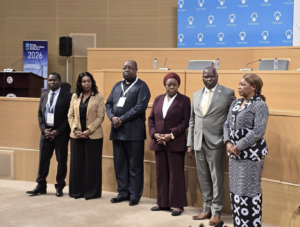
Every solar home system Sun King has installed in Nigeria arrived in the country from a factory somewhere else. The agreement to begin changing that was signed last October at the Nigeria Renewable Energy Innovation Forum in Abuja, witnessed by Vice President Kashim Shettima, committing the company and the Rural Electrification Agency to explore domestic assembly of solar systems and energy-efficient appliances, with planned facilities the company estimates could substitute $150 million of imports over five years.
The memorandum was built for a specific policy moment. Nigeria First, introduced in May 2025, put local participation at the centre of the government’s economic strategy, and the agreement places the off-grid sector inside it through local assembly of high-value products and a data partnership feeding programmes from the national electrification project to DARES. For co-founder and chief executive T. Patrick Walsh, the partnership “unites two powerful goals,” Mission 300’s electrification drive and the government’s vision for industrial growth.
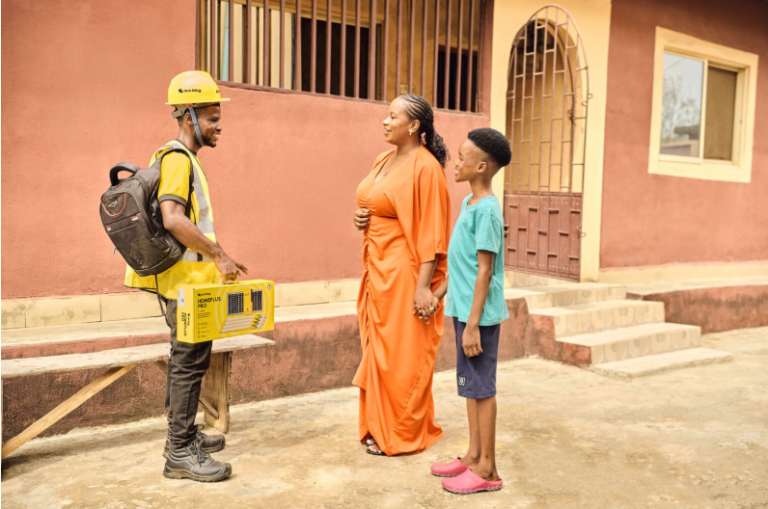
What makes the plan unusual is its sequence. Factories normally come before workforces, and here the workforce came first. Sun King’s Nigerian sales have grown from 3,000 kits a month in 2020 to around 75,000 today, an operation of more than 12,000 people from installation and servicing through engineering and data, built to sell and maintain systems made abroad. Assembly lines would put production underneath a distribution and aftersales machine that already works at national scale.
The agency across the table is becoming Nigerian energy’s busiest counterparty. Beyond convening the manufacturing conversation, its data partnership with the company feeds DARES, the World Bank-supported programme whose IFC-backed first phase signed in April, part of the capital now reaching off-grid operators in repeatable structures. Abba Aliyu, the agency’s managing director, described the agreement as “linking energy access, industrial growth, and supportive policy into one unified push.”
Walsh has called the manufacturing timeline “aggressive,” with operations targeted before the end of 2026, and the company’s stated logic is proximity, moving production closer to its end market to cut logistics costs and shorten the supply chain. The volume is waiting. Sun King expects to triple its Nigerian sales over the coming years, and last November it committed to deploying more than 50 million new solar kits across Africa by 2030, some $5.6 billion of equipment serving 200 million people.
Whether the value of Africa’s energy build-out is captured at home or shipped in is the question running through the continent’s minerals and gas debates, and Nigeria began answering it in the most literal way available, an assembly plan with a date attached.
Photo: SunKing