Egypt commits €690 million to the grid before it sells a single unit to Europe
The European Union announced the package in Luxembourg on 15 June, combining an EIB Global loan with Commission grants to carry 22GW of renewable capacity. It is the first project under T-MED, and it deliberately excludes the proposed subsea cable to Greece.
The European Union committed up to €690 million to Egypt’s electricity transmission network on 15 June, announced in Luxembourg on the sidelines of the EU-Egypt Association Council, the first such meeting since the two signed their Strategic and Comprehensive Partnership in 2024. The package combines a €600 million loan from EIB Global with up to €90 million in European Commission grants, and is the first concrete project under T-MED, the Trans-Mediterranean Renewable Energy and Clean-Tech Cooperation Initiative.
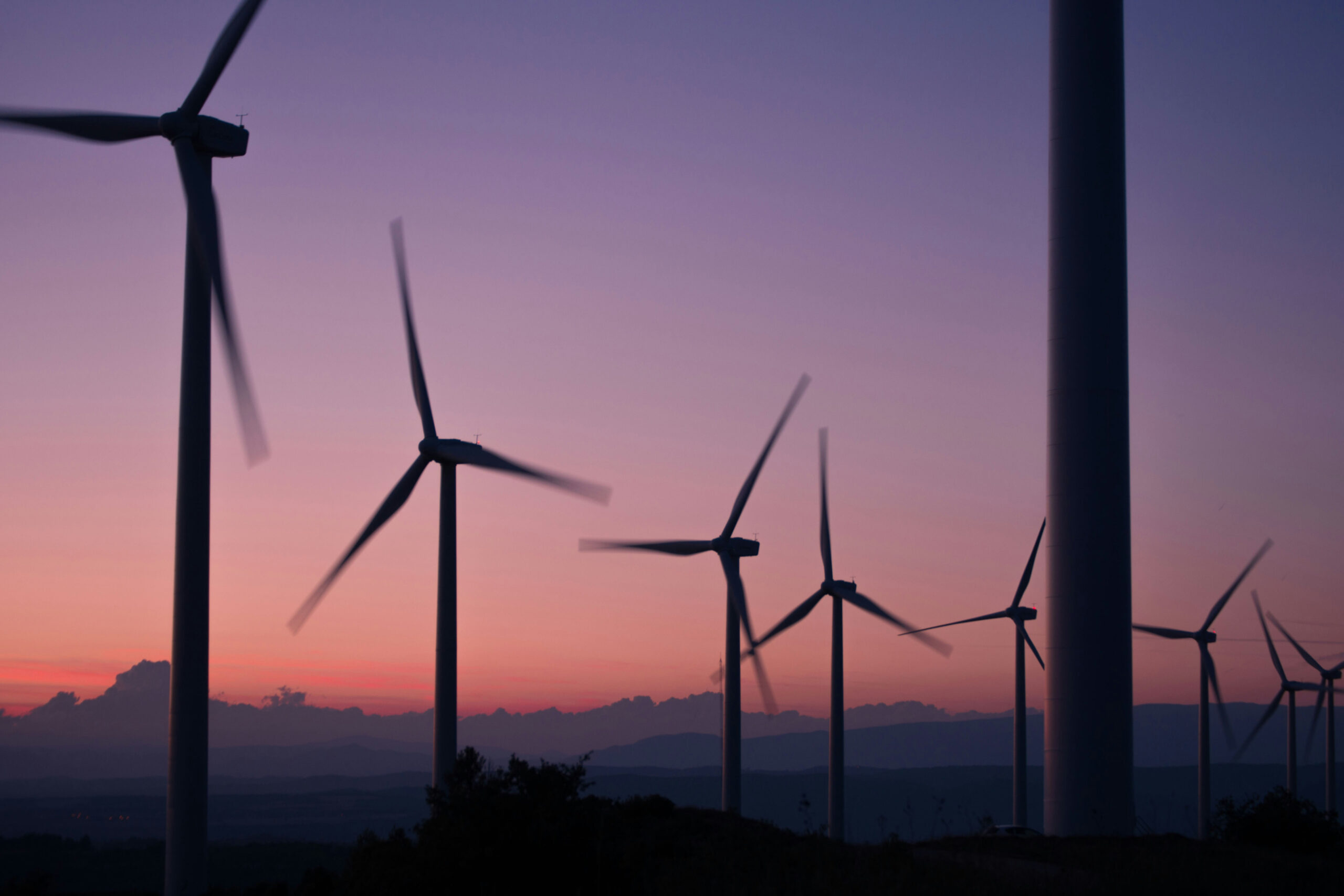
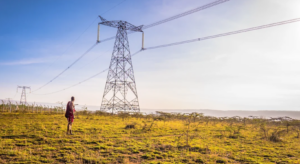
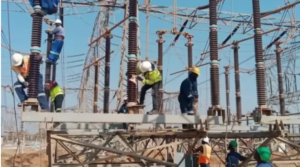
The money buys substations and high-voltage lines. The Egyptian Electricity Transmission Company will use it to move solar and wind generated in the Red Sea and Gulf of Suez regions onto the national grid, integrating 22GW of renewable capacity by 2030, enough to supply around 10 million households. European funding covers 44 per cent of the programme cost and EETC finances the remainder from its own resources. The EIB-supported phase runs from 2027 to 2030, with the government borrowing through the Central Bank of Egypt.
What the package does not cover is the part that attracts the attention. The proposed GREGY interconnector, a high-voltage direct current cable running roughly 1,000km across the Mediterranean between Egypt and Greece with a planned capacity of 3GW, is a separate project developed by Elica Interconnector, part of Greece’s Copelouzos Group. It carries political backing from Egypt, Greece and the European Union, and would be among the first large-scale corridors importing renewable power from North Africa into the European market.
The sequencing is the story. A country cannot export electricity it cannot move internally. In July the Egyptian Cabinet approved a further €37 million under the Nexus of Water, Food and Energy programme, comprising a €35 million European Union investment grant and €2 million in technical cooperation from the European Bank for Reconstruction and Development. An Egyptian and Emirati consortium separately committed around EGP20 billion, roughly $391 million, to a 500kV line connecting Gulf of Suez renewable projects.
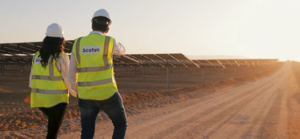
Generation is being added alongside it. The African Development Bank approved up to $66 million for the first phase of the 500MW Dandara solar project in Qena Governorate, which includes 100MWh of battery storage and is scheduled to be fully operational in early 2028, producing an estimated 1,373GWh a year. The ministry has said 2,500MW of renewable capacity will reach the national grid during 2026, against a target of 42 per cent renewables in the mix by 2030.
Mahmoud Esmat, Minister of Electricity and Renewable Energy, set the wider position out to Egyptian ambassadors and heads of diplomatic missions at the Ministry of Foreign Affairs in the New Capital on 26 July, describing interconnection projects with Sudan, Libya, Jordan and Saudi Arabia alongside the planned links to Greece and Italy. Whether the cable to Greece is ever laid, the network behind it will have been built.