
Angola to DRC interconnector goes to a Moroccan contractor under private investment
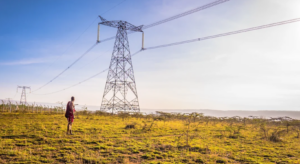
Luanda has selected Société Maghrébine de Génie Civil to build and operate a line connecting Angola to the Southern African Power Pool, the first private transmission investment since Angola amended its general electricity law in January. Around 2GW would run toward the Copperbelt mining corridor rather than to Kinshasa.
Angola amended its general electricity law in January to admit private capital into transmission. The first investment under it has now gone to a Moroccan family-owned civil engineering and port construction firm, Société Maghrébine de Génie Civil, which will build and operate an interconnector linking Angola to the Southern African Power Pool.
Somagec is linked to Enterprise Power DRC, and the award advances that company’s regional trading position as much as Angola’s export one. What the line carries is roughly 2GW of additional supply into the DRC, financed with private capital arranged partly through Dubai-based Averi Finance.
Where it goes is the part worth reading carefully. Dr Ngalula Mubenga, a board member of the DRC’s Electricity Regulatory Authority, has described the project as capable of working for both countries provided Angola offers the DRC reasonable tariffs, and was involved in fast-tracking the procedures that brought the private capital in. Aimé Sakombi Molendo, the DRC’s Minister of Hydraulic Resources and Electricity, has described the supply as intended for populations, industries and communities.
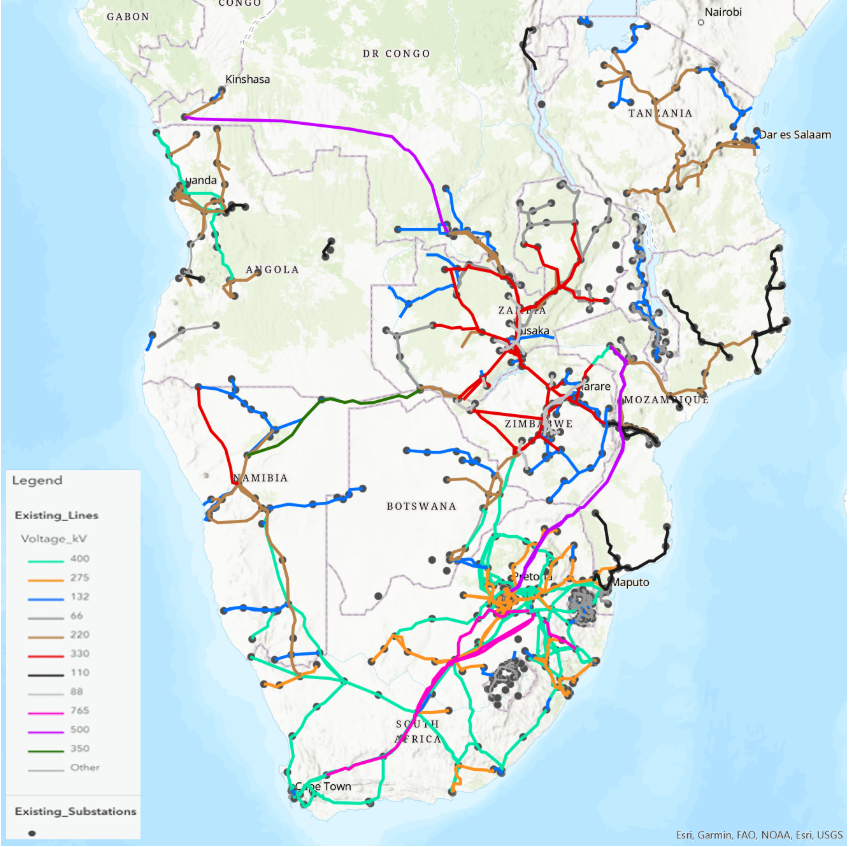
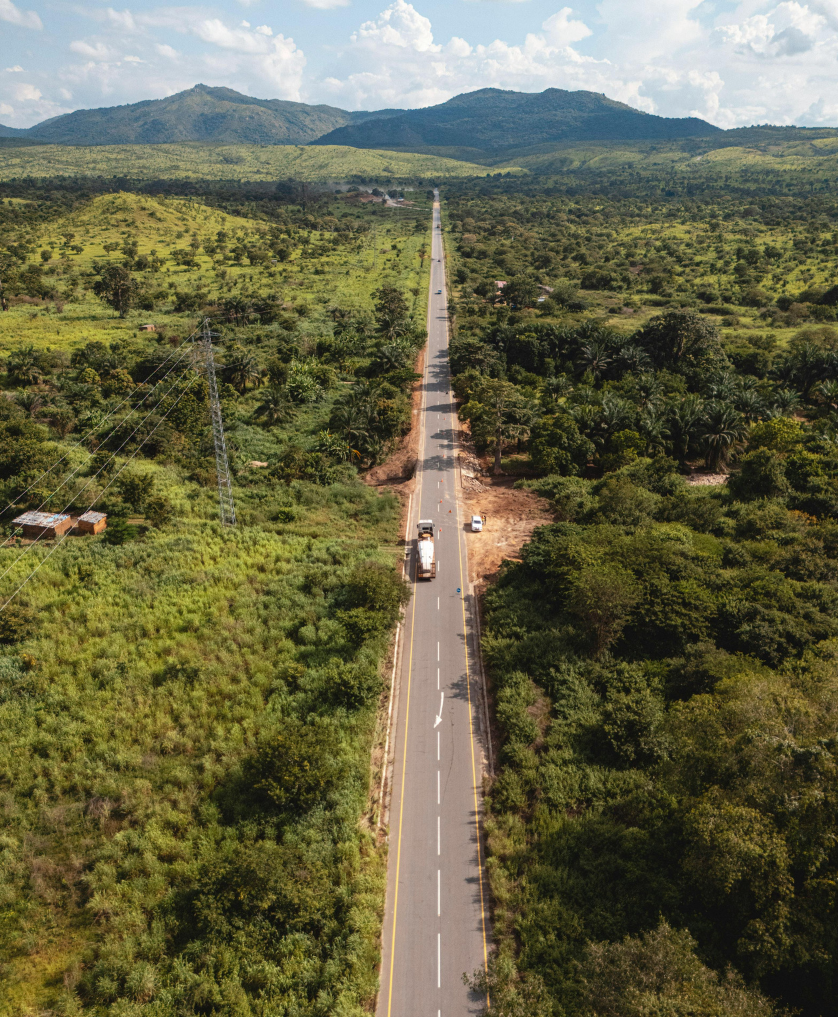
Yacob Mulugetta has questioned that framing, noting that the line bypasses the periphery of Kinshasa and runs toward the Copperbelt mining corridor, and characterising the access argument as dressing on an industrial project.
Both readings can be true, and the tariff question Mubenga raises is what decides which one dominates. Power routed to mines is power sold to counterparties that pay, which is the condition private transmission finance requires. Power routed to peri-urban Kinshasa is power sold into a collection problem, which is the condition it avoids. A line financed privately will follow the revenue, and the policy question is what the DRC extracts in return for the right of way.
For the Southern African Power Pool the addition matters regardless. The DRC and Angola both sit at the edge of a trading network built around South Africa, Zambia and Zimbabwe, and a 2GW link changes what the northern end of that pool can move. It also puts a Moroccan contractor and a Gulf financier into Central African transmission, which is a different capital map from the one that built the pool’s existing lines.