UK clean energy funding brings solar cold storage to Nigeria’s fish and meat markets
More than £2m from the UK’s ZE-Gen Scale-up Fund will back ten projects in eight African countries designed to cut reliance on diesel generators. In Nigeria, Farm Warehouse will install 100 solar-powered cold storage systems in major markets, and KAMIM Technologies will build four solar-powered agricultural hubs.
More than £2m of UK clean energy funding will go to ten projects in eight African countries through the ZE-Gen Scale-up Fund, backed by the UK government’s Ayrton Fund through the Transforming Energy Access platform, for companies whose systems have already been tested in pilots and are moving towards larger deployment.
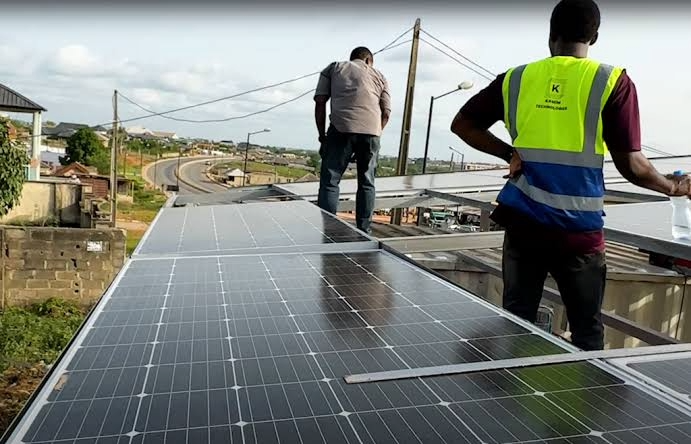
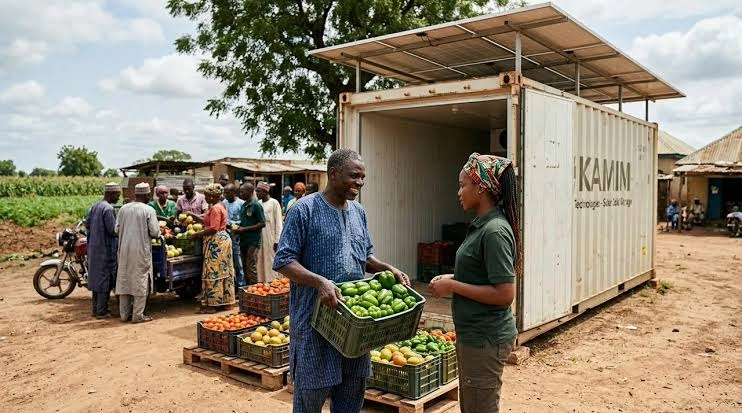
In Nigeria, Farm Warehouse will install 100 solar-powered cold storage systems for food vendors in major markets, while KAMIM Technologies builds four solar-powered agricultural hubs that combine irrigation, cold storage, ice production and grain processing.
Two of the projects are in Kenya, where Acele Africa will deploy modular battery systems designed and assembled in the country for sites on unreliable grid power, among them health facilities and schools, and SHIELD, a University of Oxford spin-out, will start with a major Kenyan hospital, moving it from diesel generators to solar and batteries under a financing model meant to lower the cost of the switch.
AceOn, a battery company based in Telford, will deploy battery systems for telecoms and healthcare in Uganda and test sodium-ion batteries there as an alternative to lithium-ion, while Gommyr will set up fishing hubs in Mozambique powered by solar and battery storage. Second-life batteries will provide storage in Rwanda and modular batteries will support mini-grids in Lesotho, while the projects in Madagascar and Tanzania cover rural electrification and solar systems for small businesses.
Lily Beadle, ZE-Gen’s programme director, said the projects “show how clean energy can power the services and businesses people rely on every day”, adding that “the next challenge is scaling the most successful approaches”.
Images: Kamim Technologies