Malawi’s first utility-scale battery should start cutting load shedding this half of the year
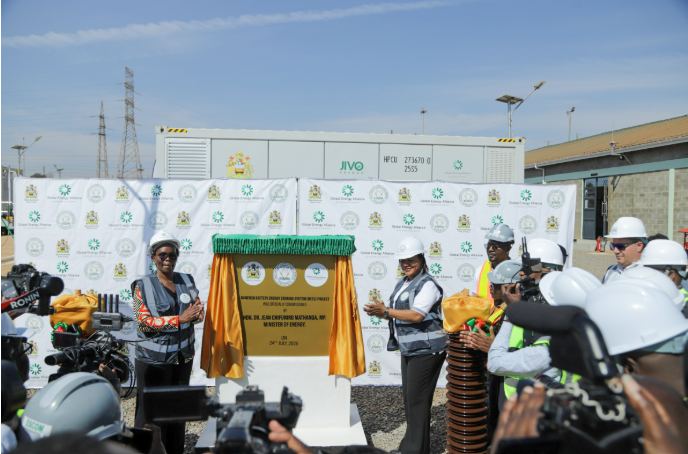
ESCOM switched on a 20MW and 40 megawatt hour system at Kanengo in Lilongwe on 24 July, funded by a US$20 million grant. It is designed to recover around 100MW of renewable generation the utility had been curtailing. The effect on scheduled outages is expected from now.
ESCOM expects a measurable reduction in scheduled load shedding from the second half of this year, following the commissioning of Malawi’s first standalone utility-scale battery energy storage system at Kanengo in Lilongwe on 24 July.
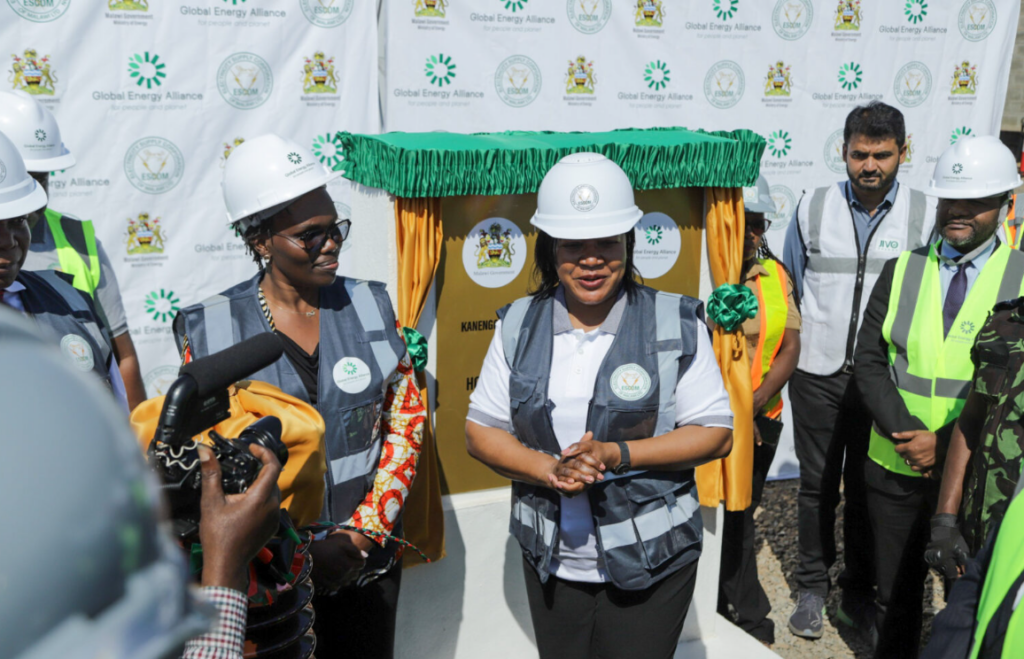
The 20MW and 40 megawatt hour installation was delivered with the Global Energy Alliance for People and Planet, which provided US$20 million in grant financing covering design, procurement, installation and operation. Energy Minister Dr Jean Chifuniro Mathanga presided over the commissioning. It is designed to unlock around 100MW of renewable generation already installed on the national grid and previously curtailed, and to avoid more than 10,000 tonnes of carbon dioxide a year.
ESCOM Chief Executive William Kayipa said grid instability had forced the utility to curtail renewable energy it had already generated and fall back on costly diesel, at the expense of consumers and the country’s climate commitments, and that storing and deploying power instantaneously changes that calculus.
Malawi’s grid gave the project its urgency. Tropical Storm Ana destroyed roughly a third of the country’s hydropower capacity in 2022 and caused nationwide shutdowns, on a system generated mostly from renewables and already suffering persistent outages.
The installation sits inside GEAPP’s Grids of the Future programme and under Mission 300. It also serves as a demonstration for the BESS Consortium, launched at COP28 in 2023 by GEAPP and eleven national governments, of which Malawi was among the first signatories.
ESCOM and GEAPP put the number of Malawians whose supply the system improves at more than two million.