
EXCLUSIVE: Four-fifths of Ignite’s mini-grid power goes to work
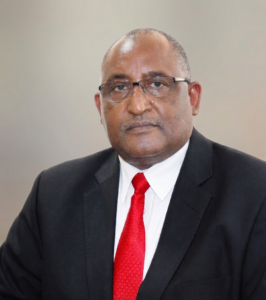
Helen Zulu, Regional Director for Southern Africa at Ignite Energy Access, tells ENN that over 40% of its solar home systems now sell with an appliance, and sets out the changes she wants from regulators in Zambia and Zimbabwe, from proportionate licensing to taxes that fall due as customers pay.
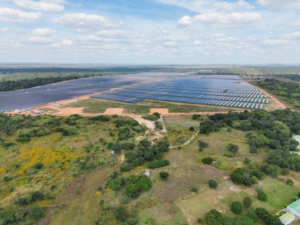
In Chadiza district, in Zambia’s Eastern Province, Ignite Energy Access commissioned 15 solar mini-grids in January, part of a 60-site programme it is still building. Zulu says that across Ignite’s mini-grids the productive use of energy now accounts for about 80% of the electricity consumed, against 20% used by households.
Ignite became the owner of Engie’s off-grid business, Engie Energy Access, when it completed the acquisition in September 2025. Zulu answered ENN’s questions in writing ahead of ZimZam in Livingstone, where on 4 November she joins the heads of Zambia’s and Zimbabwe’s rural electrification agencies in a session on turning rural access into productive use.
Where is Ignite growing fastest across Southern Africa, and why?
Zambia remains one of Ignite Energy Access’s key growth markets in Southern Africa, supported by a strong operational presence with 51 service centres across all 10 provinces. Through our MySol brand, we continue to expand access to affordable, reliable and sustainable energy solutions, particularly for rural and underserved communities.
What is driving this growth is the changing demand for energy. As populations grow and economic activities expand, customers are increasingly looking beyond basic lighting solutions. Households want reliable electricity to power their everyday lives, while small businesses need energy solutions that enable them to operate more efficiently, increase productivity and generate income. Affordability, reliability and ownership are becoming increasingly important in customers’ purchasing decisions.
Ignite is well positioned to respond to these evolving needs through our established distribution network and diversified energy portfolio, which combines Solar Home Systems (SHS) and mini-grid solutions. This allows us to serve different customer segments, from individual households to small businesses and entire communities.
A recent example of how we are responding to market demand is the launch of MySol One on 15 October 2026, across all Ignite markets, including Zambia. This new offering is designed to make clean energy more affordable and accessible, while responding to customers’ growing expectations for reliable and practical energy solutions. We have already seen encouraging interest following the launch.
I believe MySol One represents an important step in meeting the needs of the Zambian market. It reflects a broader shift in how customers view energy, not simply as a source of lighting, but as an essential enabler of better living standards, entrepreneurship and economic opportunity.
Ultimately, our growth is about much more than expanding our customer base. It is about transforming livelihoods, enabling productive use of energy and supporting sustainable economic development in the communities we serve. This is central to our ambition to positively impact one million lives by 2030.
What makes off-grid connections commercially sustainable rather than grant-dependent?
Commercial sustainability in the off-grid sector requires balancing affordability for customers with long-term financial viability. At Ignite, we focus on optimising tariffs, improving operational efficiencies and stimulating electricity demand. For our mini-grids, this means achieving the right balance between household consumption, anchor customers, and productive use of energy (PUE). By supporting income-generating activities such as milling, refrigeration and irrigation, we increase electricity consumption, strengthen revenue streams, and stimulate local economies. While grants remain important in addressing high upfront investment costs, our goal is to build commercially viable energy ecosystems that can sustain operations and future growth. Ultimately, we need to move beyond simply connecting households to creating economically active communities where electricity drives productivity, creates opportunities and improves livelihoods.
How much of the demand you serve is productive use, and how is that shifting?
We are seeing a clear shift towards productive use of energy across both our Solar Home Systems (SHS) and mini-grid businesses. On the SHS side, over 40% of our products are purchased with appliances such as TVs, hair clippers and charging devices. We also offer larger productive-use solutions, including solar pumps and mills, enabling customers to go beyond basic lighting and generate income. Across our mini-grids, approximately 80% of electricity consumption comes from productive and commercial activities, compared to 20% from households. This trend continues to shift in favour of productive use, demonstrating that customers increasingly see electricity not just as a basic necessity, but as a tool for economic empowerment and business growth.
What would you want regulators in Zambia and Zimbabwe to change first?
I would prioritise a simpler, more predictable and commercially sustainable regulatory framework for the off-grid sector in both Zambia and Zimbabwe.
First, licensing and approval processes should be streamlined, with clear timelines and requirements proportionate to the size of the project.
Second, tariff frameworks should allow operators to recover reasonable operating, maintenance and replacement costs while maintaining affordability for customers.
Third, regulators should encourage productive use of energy by facilitating the adoption of solar and electricity-powered equipment for agriculture, agro-processing and small businesses.
Fourth, I would encourage consideration of a phased approach to tax remittance for Solar Home Systems (SHS). Under the Pay-As-You-Go (PAYGo) model, customers typically pay for their systems over a period of up to two years, yet taxes are payable upfront. Aligning tax remittances more closely with customer repayment schedules would ease cash flow pressures on operators and support further investment in energy access.
One lesson from Tanzania is that while off-grid solar products benefit from VAT exemptions, implementation has sometimes been inconsistent. Importers and distributors have faced challenges where tax officers were unfamiliar with the exemptions. Ultimately, a good policy is only as effective as its implementation. Zambia and Zimbabwe should ensure clear guidance and consistent application of regulations, particularly by customs and tax authorities.
Where should investors be looking in off-grid over the next two years?
Over the next two years, investors should be looking closely at Sub-Saharan Africa, particularly Zambia, where significant opportunities exist to expand electricity access in rural and underserved communities in alignment with the Grow Zambia Agenda:
- Productive use of energy: how to lighten the load, and increase penetration/education.
- Product quality: substandard solar products remain a problem for the markets.
- African facilities for repair, refurbishment, after-sales service, and reverse logistics.
- E-waste management.
- Circular economies and youth empowerment in the process.
Zambia presents a compelling investment opportunity because many communities still lack access to reliable and affordable electricity. At Ignite, this is precisely the gap we are working to address through our Solar Home Systems and mini-grid solutions, guided by our ambition to positively impact one million lives by 2030.
From an investment perspective, the greatest potential lies in companies with scalable business models, strong operational footprints, affordable customer financing, sound regulatory compliance and the ability to demonstrate both financial sustainability and measurable social impact.
Ultimately, the future of off-grid investment is not simply about connecting households to electricity. It is about empowering communities, stimulating local economies and building commercially sustainable energy businesses that deliver lasting impact.