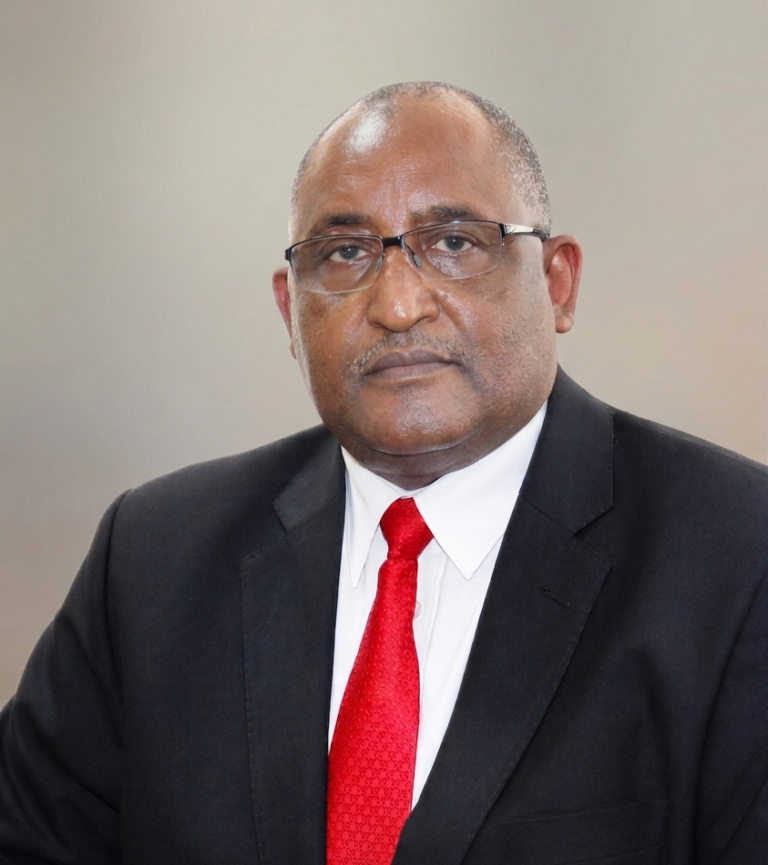
EXCLUSIVE: The Zambezi River Authority on powering Zambia’s three million tonne copper ambition
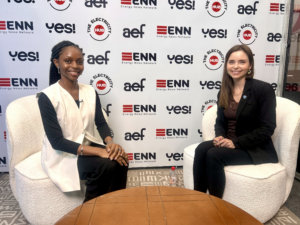
Zambia wants to triple copper output to three million tonnes a year, on a grid that does not yet carry it. Speaking to ENN, Munyaradzi Munodawafa, Chief Executive of the Zambezi River Authority, sets out what mining demand is doing to power investment across the region and where Batoka Gorge fits.
Coordination is where the answer starts, rather than generation. Mining, power and transport have to expand together, and the electricity that a three million tonne copper industry consumes has to arrive alongside the transmission that moves it and the roads and rail that take the metal out.
Batoka Gorge is the Authority’s contribution to that. Jointly owned by Zambia and Zimbabwe, the Zambezi River Authority is developing the scheme on the river the two countries share, and it appears on the Zimbabwe-Zambia Energy Projects Summit agenda in both the financing and the diversification sessions.
Captive renewables are where Munodawafa is most interesting. Miners and lenders have built solar with bespoke power purchase agreements behind them, and hybrid arrangements combining grid supply with self-generation are becoming standard. His argument is that a large regional scheme does not compete with any of that. It provides the dependable capacity those arrangements get built around.
His four answers to ENN are below in full.
How will Zambia achieve its three million tonne copper production strategy?
Zambia’s ambition to increase copper production to three million tonnes annually will depend on a coordinated expansion of mining, power and transport infrastructure. Sustained investment in reliable generation capacity, transmission networks and regional interconnections will be essential to meet growing electricity demand from the mining sector.
In this context, strategic regional power projects such as the Batoka Gorge Hydro-Electric Scheme, together with other future ZRA-supported developments on the Zambezi River, can make a meaningful contribution by expanding clean baseload capacity and improving the long-term resilience of electricity supply. The development of major projects, together with increased deployment of renewable energy and storage solutions, will strengthen energy security and support long-term industrial growth.
As a regional institution, ZRA sees dependable power supply as a key enabler of Zambia’s mineral-led economic transformation.
How has the mining boom driven new investment in power infrastructure?
The expansion of mining activity has become one of the strongest drivers of investment in energy infrastructure across the region. Rising demand for reliable, cost-reflective power has accelerated investments in generation projects, transmission upgrades and cross-border trading arrangements. Mining companies are increasingly partnering with utilities and independent power producers to secure long-term supply.
By advancing projects such as BGHES and preparing a pipeline of future hydropower and complementary renewable opportunities, ZRA can help create the wider system confidence required for mining houses and financiers to plan expansion on a long-term basis. The result is a growing pipeline of energy projects that not only support mining operations but also strengthen national and regional power systems.
Where have miners and lenders innovated on captive solar, wind and hydro, and on tailored power purchase agreements?
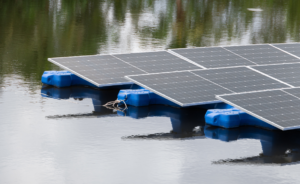
Mining companies and financiers have demonstrated increasing innovation through captive renewable energy projects, particularly solar PV, supported by bespoke power purchase agreements that balance affordability, reliability and investment bankability. Hybrid arrangements combining grid supply with self-generation are becoming more common, helping reduce operational risks while advancing sustainability objectives.
Large regional schemes such as BGHES can complement these models by providing dependable system capacity around which tailored supply arrangements, wheeling structures and cross-border power trading can be developed. Lenders have also shown growing willingness to support renewable energy solutions where regulatory frameworks provide sufficient certainty and predictability. These models are helping to diversify energy sources and mobilise private-sector capital into the power sector.
Have projects like Lumwana Super Pit positioned Zambia and Zimbabwe as regional energy and industrialisation hubs?
Large-scale developments such as the Lumwana Super Pit illustrate how strategic mining investments can catalyse broader economic activity and reinforce the region’s position as an emerging industrial hub. Such projects create significant demand for energy, infrastructure and services, supporting increased investment across multiple sectors.
For Zambia and Zimbabwe, the opportunity lies in deepening regional integration, expanding power infrastructure and strengthening value addition within mineral supply chains. ZRA’s role fits naturally within this agenda. By facilitating bankable shared power projects such as BGHES, and by progressing future schemes that improve supply adequacy and regional energy cooperation, the Authority can indirectly but materially support the electricity backbone needed for mining expansion. The long-term vision is not simply higher mineral output, but accelerated industrialisation underpinned by reliable and sustainable energy systems.
The future competitiveness of the Zambia-Zimbabwe mining corridor will be determined by our ability to provide reliable, affordable and sustainable energy. The region’s resource endowment is considerable, but realising its full potential will require continued investment in power infrastructure, regional cooperation and innovative financing solutions that support both industrial growth and energy security. Through projects such as the Batoka Gorge Hydro-Electric Scheme and other future developments under consideration, ZRA can help provide part of the stable regional power foundation needed to support mining expansion, industrialisation and shared economic growth.
Munyaradzi Munodawafa and the Zambezi River Authority join the Zimbabwe-Zambia Energy Projects Summit in Livingstone from 3 to 5 November, where regional leaders examine the investment, projects and partnerships behind the region’s next phase of energy and industrial growth.