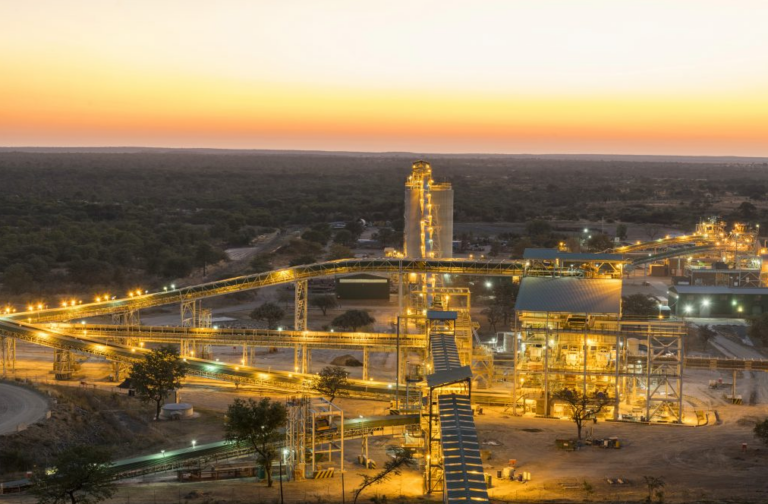
Zimplats reaches 80MW of its own solar as four more industrial users build generation
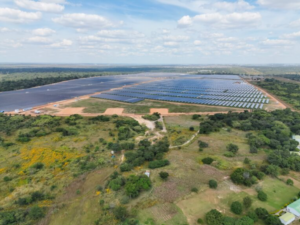
Zimplats commissioned 35MW at Selous in August 2024 and has a 45MW second phase under construction at a cost of US$54 million. First Quantum’s Sentinel mine, Eureka’s gold mine, Sable Chemicals and Zambia Sugar appear alongside it on the Zimbabwe-Zambia programme as companies funding their own power.
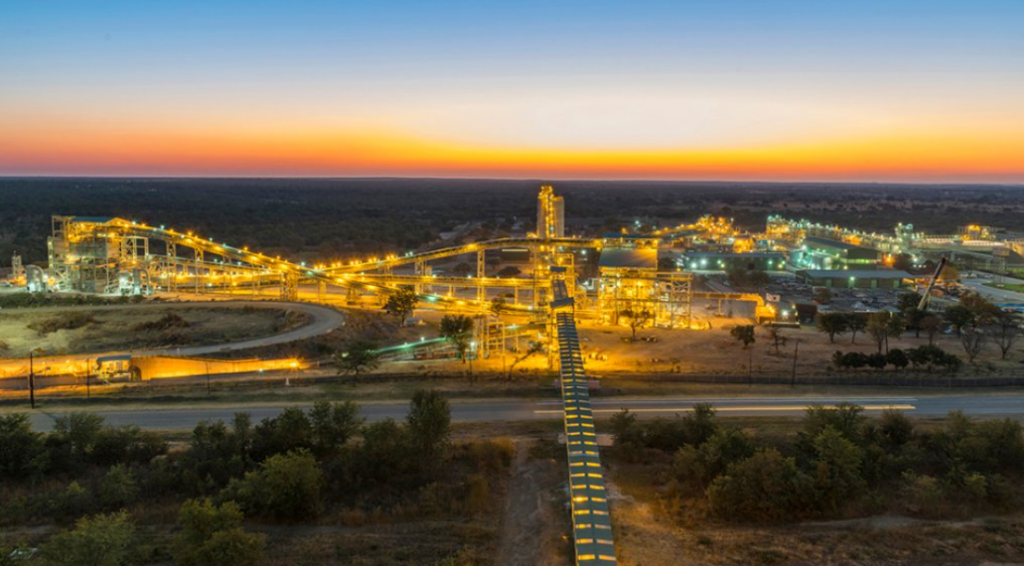
Zimplats commissioned 35MW of solar at its Selous operation in August 2024, and put US$12 million into a second phase in the quarter to September 2025 with a further US$36 million committed against a US$54 million build.
Phase 2A adds 45MW and takes the platinum producer, a subsidiary of Impala Platinum Holdings, to 80MW of installed solar against an intended complex of 185MW. Once running it supplies around 110 GWh a year. Renewable electricity across the operation held at 31% in the last reported half against a company target of 35%, constrained by droughts in Zimbabwe and Zambia that cut hydropower coming through ZESCO. Zimplats also imports hydropower from Zambia directly, which is the second half of the same strategy.
Four other industrial users sit beside it on the ZimZam programme as companies funding their own generation. First Quantum Minerals at Sentinel in Zambia. Eureka’s gold mine. Sable Chemicals. Zambia Sugar. Each carries a large industrial load, a grid connection that cannot be relied on, and a balance sheet able to build rather than wait.
Zimbabwe’s utility puts the total higher. ZESA acting chief executive Cletus Nyachowe told a parliamentary committee in May that more than 600MW of new generation was under construction across private producers, mining companies and independent developers. Zhongjin Heli has commissioned the first 100MW phase of a captive plant, and the 50MW Mapanzure solar project was 70% complete with commissioning planned for June.
Captive generation removes the offtaker risk that stalls independent power projects, because the company building the plant is the company consuming the output. Payment in hard currency removes the second obstacle, since lenders no longer carry the exchange exposure that made industrial offtake in either country difficult to price.
The plants serve their own sites and the mines still draw from the national system when their own generation falls short, which keeps transmission on the agenda in both capitals.
Zimplats’ second phase is the next to complete, taking the largest single industrial solar build in Zimbabwe past 80MW.