EXCLUSIVE: NIWIMNRO’s Felicia Dairo on minerals processed in the country that mines them
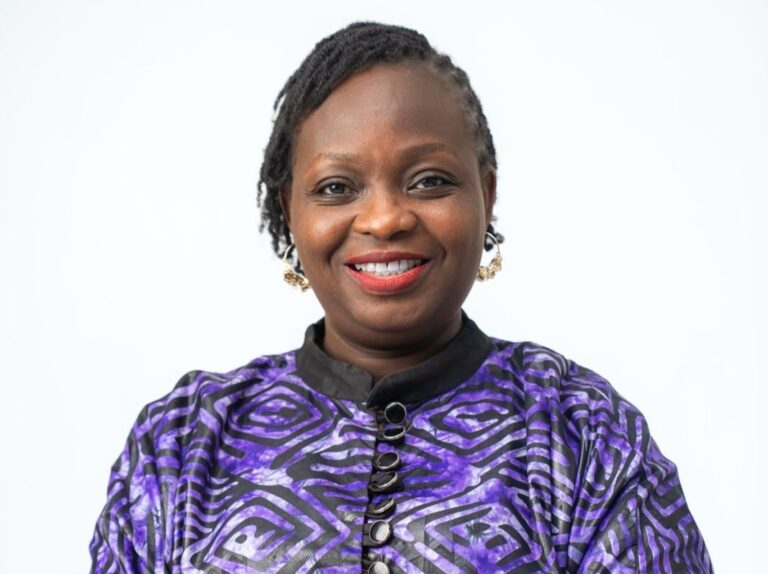
ENN’s Women’s Voices series puts the same three questions to women making the decisions in Nigerian energy and mining. Felicia Dairo, Executive Director of the Nigerian Indigenous Women in Mining and Natural Resource Organisation (NIWIMNRO), tells ENN where investors should look as Nigeria pushes to process its own minerals, and how women are organising to negotiate.
For many years Nigeria exported its minerals with limited processing or beneficiation, Felicia Dairo says, “meaning that much of the value, industrial activity and employment associated with downstream processing has been created outside the country”.
Under the current administration she has seen “a stronger emphasis on local processing, value addition and the development of a domestic mineral value chain”, and she describes what Nigeria is pursuing as “a form of resource nationalism, a strategy aimed at ensuring the country derives greater economic value from its mineral resources rather than simply extracting and exporting them in their raw form”.
If the shift is effectively implemented, she believes it could create significant opportunities for investors, particularly over the next two years, “as Nigeria seeks to move from being primarily a mineral-producing country to one that also processes and transforms its resources into higher-value products”.
The greatest openings she sees lie in “mineral processing and beneficiation, the establishment of local processing facilities, technology transfer, and the provision of technical expertise and equipment”. Investors could also explore the supporting infrastructure, she says, “including reliable energy, transportation, mineral testing laboratories and other services required to make processing commercially viable”, with opportunities across “lithium, tin, gold and other critical minerals, depending on the availability of economically viable deposits, infrastructure and market demand”.
The opportunity goes beyond building processing plants, she adds, and the investors “who partner with local businesses, develop Nigerian technical capacity, support responsible sourcing and establish transparent supply chains will be better positioned to contribute to a sustainable domestic mineral industry”.
“While investment commitments are important, they do not move the needle unless they translate into concrete action on the ground,” Dairo says. The distance between announcing an investment and actually breaking ground on a project “is often where the biggest challenges emerge”, and she lists them as “delays in obtaining permits and licences, regulatory uncertainty, difficulties accessing land, inadequate infrastructure, financing constraints, and weak coordination among the institutions responsible for facilitating projects”.
Her first change would strengthen “the process that moves projects from commitment to implementation” by “establishing clear timelines for approvals, improving coordination among relevant government agencies, and creating a more transparent and predictable regulatory environment for investors”. Once an investor has met the necessary requirements, she says, “there should be a clear pathway from approval to construction, with defined responsibilities and accountability for delays”.
Women’s place in those decisions starts, for Dairo, with acknowledging that “we operate within a patriarchal system that has historically limited women’s access to power, resources, and decision-making”. She sees it most clearly in mining, where women remain underrepresented “in leadership, licensing, investment decisions, and policy discussions that directly affect their livelihoods and communities”.
Even with women still a minority in these spaces, she sees gradual progress, “driven largely by years of advocacy, sensitisation, capacity building, and the persistent efforts of women-led organisations to challenge these barriers”. “These efforts are helping to shift perceptions, demonstrate women’s capabilities, and make the case for their meaningful participation in the sector,” she adds.
The approach that has worked, in her experience, is “moving beyond simply calling for women’s inclusion to creating practical pathways for it”. Those pathways include “equipping women with technical knowledge, strengthening their economic independence through cooperatives, amplifying their voices in policy discussions, and ensuring they have access to the information and networks needed to engage with government, investors, and industry leaders”. “When women are organised, informed, and economically empowered, they are better positioned to negotiate, advocate for their interests, and participate in decisions that affect them,” she says.