With Julius Nyerere online, Tanzania’s capacity sits 2,375MW above peak demand
Prime Minister Mwigulu Nchemba says the Julius Nyerere Hydropower Project has given Tanzania the capacity to generate more power than it currently uses, with 4,646MW installed against a 2,271MW peak when the 2,115MW plant was commissioned in August, and a surplus the government hopes to sell to neighbours including Zambia and Kenya.
Tanzania’s installed generating capacity stood at 4,646MW against a national peak demand of 2,271MW when President Samia Suluhu Hassan commissioned the 2,115MW Julius Nyerere Hydropower Project on 22 August, leaving 2,375MW that the government hopes to export. During a working visit to Shinyanga Region on 9 November, Prime Minister Mwigulu Nchemba said the plant had given the country the capacity to generate more power than its current demand.
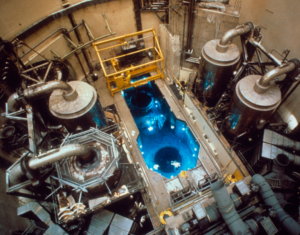
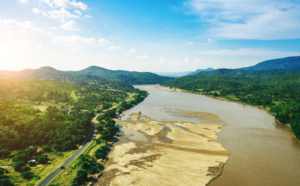
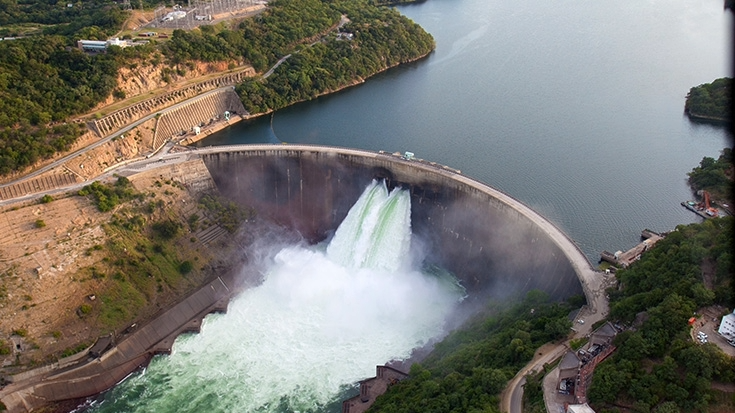
Nine 235MW turbine-generator units on the Rufiji River in Pwani Region make up the plant, which cost about Sh7.452 trillion, roughly $2.9bn, paid from domestic government resources with no foreign loan, and which supplied about 44.9% of grid electricity in the year to 31 May 2026 after first feeding the grid in February 2024. An Egyptian consortium of Arab Contractors and Elsewedy Electric built it under an EPC contract signed in December 2018, with PowerChina and Dongfang Electric supplying the turbines and electromechanical equipment.
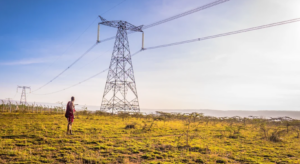
In Pwani, supply rose from 118MW in 2022 to 356MW by July 2026, and the President pointed to the newly energised 400kV Chalinze-Dodoma line as evidence of how quickly latent demand appears once power arrives.
Other infrastructure projects were temporarily put on hold so that resources could go into completing the dam, Nchemba said in Shinyanga, where he described the surplus as significant for industrialisation and investment.
Exports to neighbours including Zambia and Kenya are part of the government’s plan for the surplus, and the energy ministry is targeting 8,000MW of installed capacity by 2030.
Images: Africa Energy Portal