EXCLUSIVE: Two days without mains power in Lagos and Sambal’s dehydrators kept running
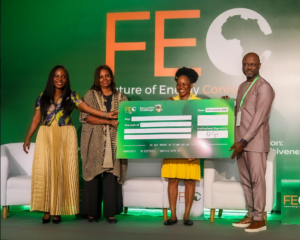
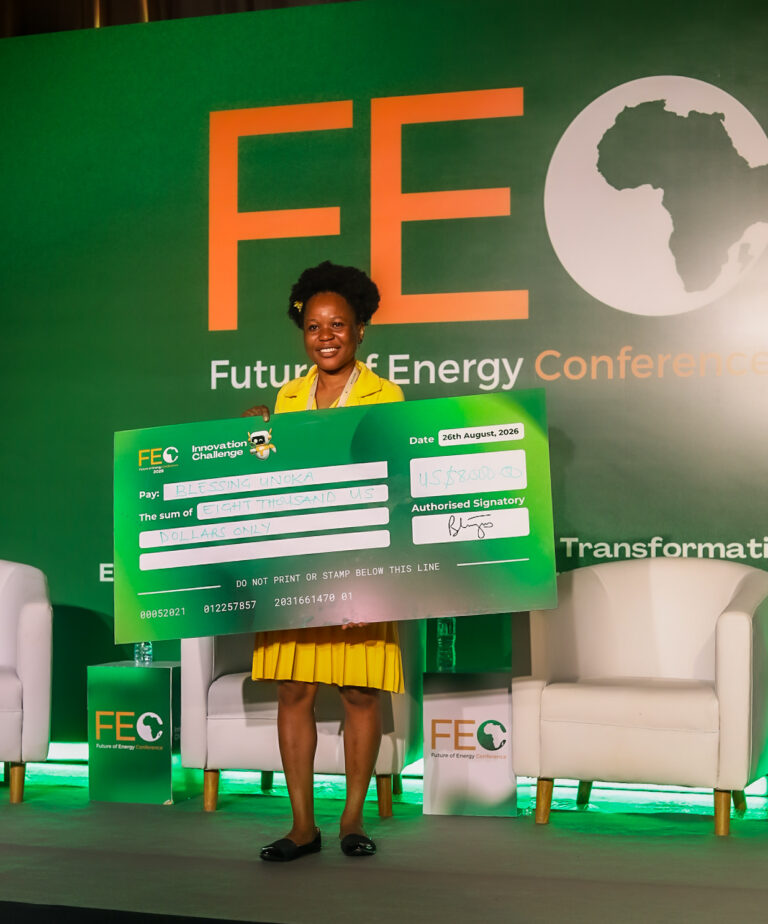
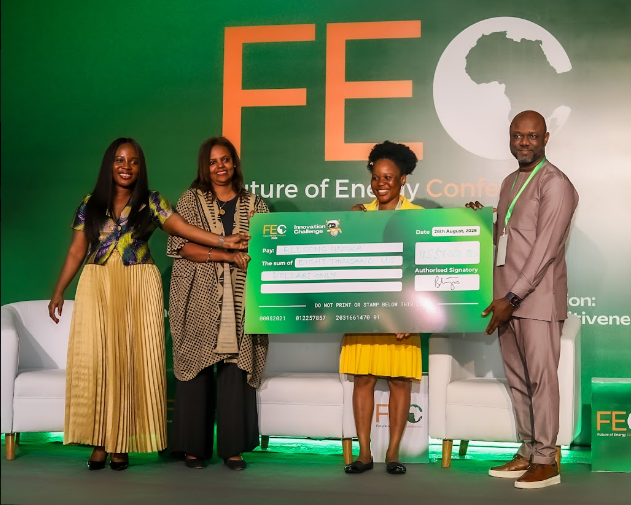
Blessing Unoka won the Pan-African Low Carbon Track at the Future of Energy Conference Innovation Challenge in Accra. Speaking to ENN, the Sambal Enterprise founder describes processing soya milk and maize flour at a Lagos farm gate on solar and battery storage, sending the waste to a biodigester, and returning the fertiliser to the farmers she buys from.
Sambal Enterprise kept milling and dehydrating through two days without mains electricity in Lagos this week, which is the whole reason Blessing Unoka built the business on solar and battery storage rather than on the grid.
Unoka has watched friends abandon food processing inside a year and puts it down to infrastructure rather than skill. “When you are trying to mill it or you are trying to refrigerate it and the light goes off, everything in those freezers, that cold room, gets spoiled,” she says. “It’s not as if they aren’t good, but because they didn’t put the infrastructure in place.”
Her mother is an agro-processor and Unoka grew up at the farm gate watching crops rot within a few kilometres of families who could not reach affordable nutrition. She wanted to study agriculture and was told it was a poor man’s course, so she read economics and statistics instead, collected the certificate and never used it, training on scholarships with African Food Chain Maker and on solar installation and biodigesters alongside a first job that funded the business.
Processing waste at a Lagos farm gate leaves by one of two routes, since refuse collectors rarely come that far, which means burning it or paying to truck it to landfill. Sambal sends it into a biodigester tank instead, and the organic fertiliser that comes out goes back to the farmers the crops came from. “We get the crops from the farmers, we give the waste to the farmers.”
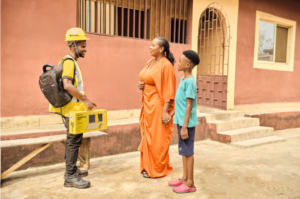
Sambal started by selling directly to families because going straight to business would have collapsed the business, and has since moved to selling through distributors and micro-retailers sitting closer to the customer. Margins fall as volume rises, running at around 15% direct to families who bear the logistics, roughly 12% to micro-retailers, and about 7% to distributors who take free delivery. Unoka takes the trade because raw materials bought in bulk cost less and shipping one consignment to a retailer beats shipping fifty to households.
One distributor contract carries a minimum order of 100 cartons against the 120 cartons a month Sambal currently produces, so a single deal absorbs close to a month’s output.
Around 90% of Nigerian households buy in sachet sizes rather than in pouches, which is where the prize money goes. “Before they will save up to buy a very big pouch, they will just prefer to collect 50 grammes rather than 500,” Unoka says, and the sachet sealing machine plus the working capital behind it is what the Accra win paid for.
Every woman Sambal trains to process food on clean energy leaves able to do it on her own account, which Unoka treats as the point rather than the risk. “Even when they decide that they want to leave, they are not just redundant. They can also process food in their own scale and empower themselves too.”
By 2030 she wants Sambal products in at least five African countries starting in West Africa, and at least three processing hubs sited near farm gates rather than the single one she runs now. Ghana is next, which is why Accra mattered beyond the prize.
“Africans here and in the diaspora should be able to have access to healthy, certified and affordable food products,” she says. “One hub won’t be enough.”