Maamba’s second phase would give one company a fifth of Zambia’s generation
Two 150MW units have been under construction at Sinazongwe since August 2024, financed largely by Zambian pension money and contracted to ZESCO in full. Once running, Maamba Energy would supply around 18% of national generating capacity, with a 100MW solar plant alongside taking the site to 700MW.
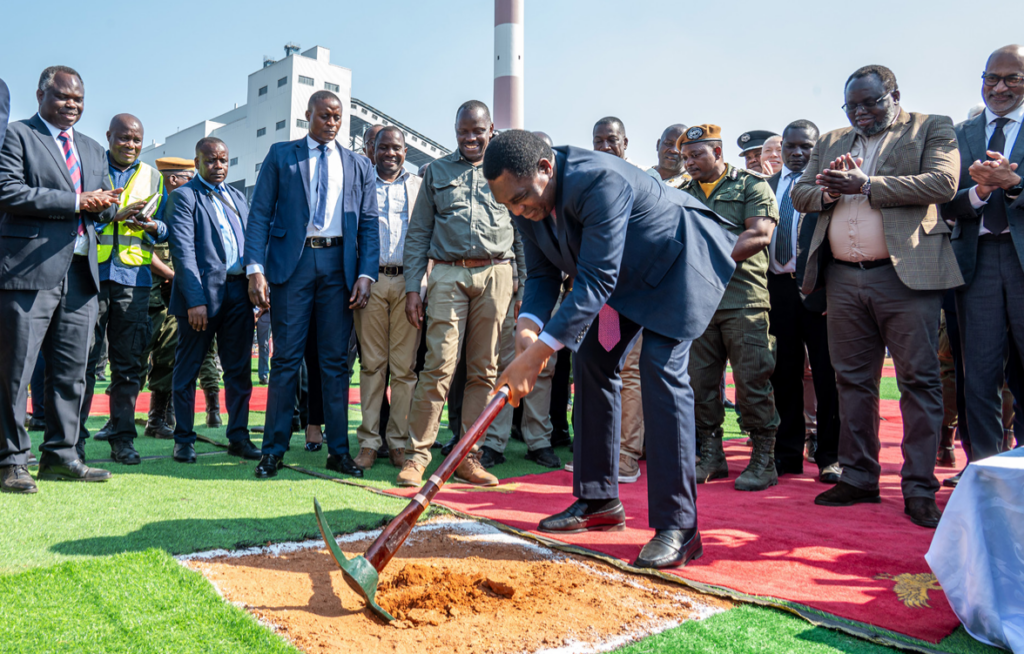
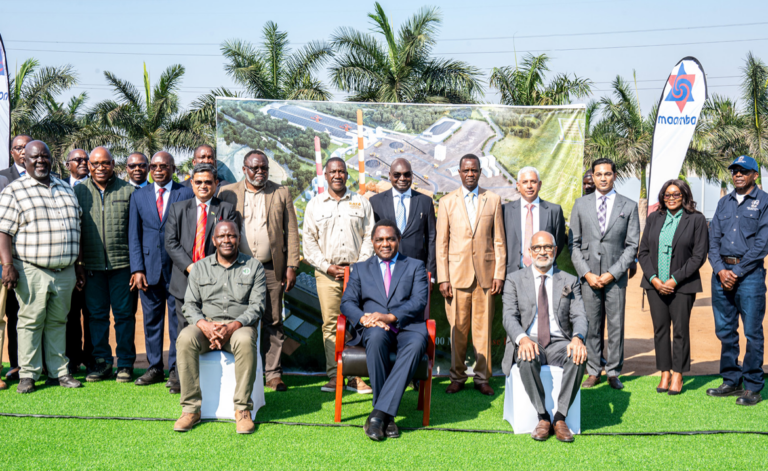
Maamba Energy would account for roughly 18% of Zambia’s national generating capacity once its second phase runs, on the company’s own assessment. Two 150MW thermal units have been under construction at the mine-mouth site in Sinazongwe since President Hakainde Hichilema broke ground on 13 August 2024.
The National Pension Scheme Authority and Indo Bank Zambia led the financing alongside other local lenders, with around US$300 million of debt concluded in 2024 on a project costed at roughly $400 million. Zambian retirement savings are behind a fifth of the country’s future generation.
Maamba holds a power purchase agreement with ZESCO covering the full output, and the power leaves the site on a 330kV double circuit line to Muzuma substation.
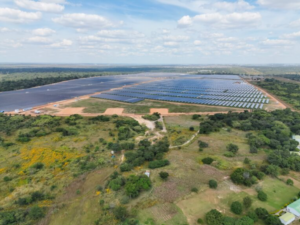
Chief executive Colonel Cyrus Minwalla, retired, told a visiting Energy Regulation Board team in March that the expansion was more than 65% complete. “With the Phase II power of 300MW, we will be injecting 600MW into the national grid this year,” he said. A 100MW solar plant, which broke ground in September 2025, takes the site to 700MW.
Zambia draws over 80% of its electricity from hydro, and the drought from 2024 cut generation at the point industry needed it most. Chairman Ashwin Devineni put the argument for the expansion at the groundbreaking. The additional power “would help reduce the energy deficit in times of drought, and importantly in times of surplus, the baseload power could be exported, adding forex to the country’s revenue.”
Phase I was commissioned in August 2016 at a cost of around US$828 million. Maamba Energy is majority-owned by Nava Bharat Singapore, with ZCCM Investments Holdings holding 35% for the Zambian state. Both phases run circulating fluidised bed combustion with electrostatic precipitators, which the company says meets ZEMA and World Bank standards.
Installed capacity across Zambia now stands at 4,576MW with 841MW of solar, and consumption rose 48% as mining absorbed new supply. The government’s target is 10,000MW by 2030.
The build was set at twenty-four months from the August 2024 groundbreaking, which puts commissioning within reach this year.
Photo credit: Maamba Energy