Off-grid power is now an execution business
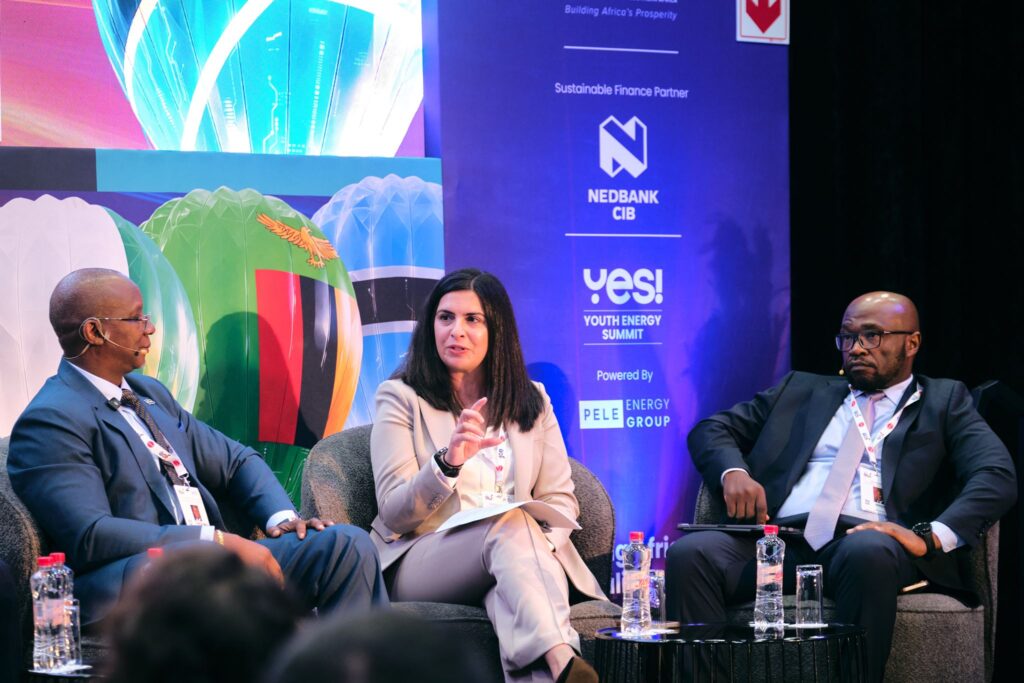
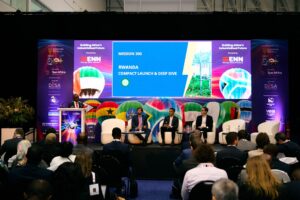
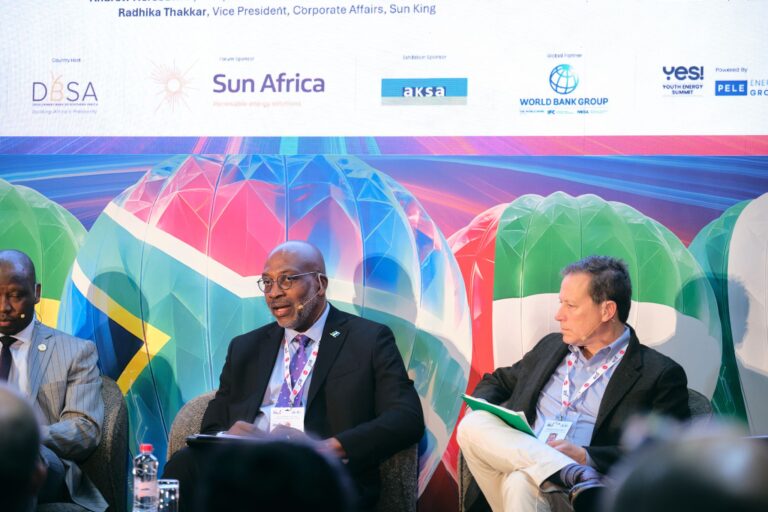
Fifty million people gained electricity under Mission 300 and another 250 million wait on a deadline of 2030. At AEF, Ignite’s Yariv Cohen, Sun King’s Radhika Thakkar and the Mission 300 Accelerator’s Andrew Herscowitz argued that the distributed energy sector’s task has shifted from proving the model to scaling it.
“We had a great announcement this week that we’ve connected 50 million people, but we still need another 250 million people in the next three and a half years.” Andrew Herscowitz of the Mission 300 Accelerator gave the Africa Energy Forum its deadline in a sentence, and the arithmetic leaves no room for the sector to keep proving what it has already proven.
Distributed renewable energy has done the demonstrating. Mini-grids and solar home systems work, the companies that deliver them exist, and their technology is field-tested across the continent. Yet the industry carrying much of Mission 300’s ambition is not yet built for the weight. “The DRE industry remains very fragile,” Herscowitz said.
For Yariv Cohen, co-founder and chief executive of Ignite Energy Access, the fragility is not a technology problem. “What is missing is execution and scale,” he told the panel. “We also don’t need more projects, we need more platforms to drive scale.” The distinction matters, because a project ends where its funding does, while a platform keeps operating, keeps collecting payments and keeps serving customers years after the ribbon is cut. Cohen speaks from inside that argument, since Ignite completed its acquisition of ENGIE Energy Access last year with the stated aim of reaching 100 million people by 2030.
Radhika Thakkar of Sun King described what scale looks like from inside a company that has reached it. “We show up when things go wrong because of our vast network of aftersales support and technicians,” she said. The unglamorous machinery of service networks and repair visits is what separates a connection that lasts from a statistic that lapses.
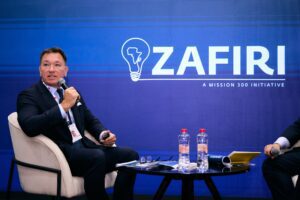
The capital is beginning to match the analysis. Zafiri, the blended-finance vehicle launched at the same forum with $176 million, is built to hold patient equity in exactly these companies, with at least half its capital earmarked for mini-grids, solar home systems and clean cooking. Money of that shape backs a platform rather than a pilot, and stays long enough for the platform to grow.
The measure of all of it sits where Herscowitz has long insisted it belongs. Success, he has argued, is counted in lights switched on rather than deals struck, and on that count the sector has three and a half years to deliver five times what it just celebrated.