At the ZimZam opening, Petrodex’s Monie Captan makes the case for cross-border power trading
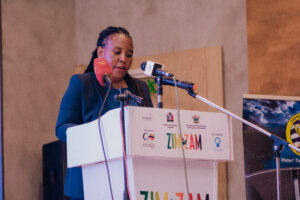
Monie Captan, Deputy CEO for West Africa at Petrodex, used the official opening of the Zimbabwe-Zambia Energy Projects Summit in Livingstone to make the case for open electricity markets and cross-border trading, as Petrodex adds solar generation in Zambia and works through licensing to trade power inside Zimbabwe.
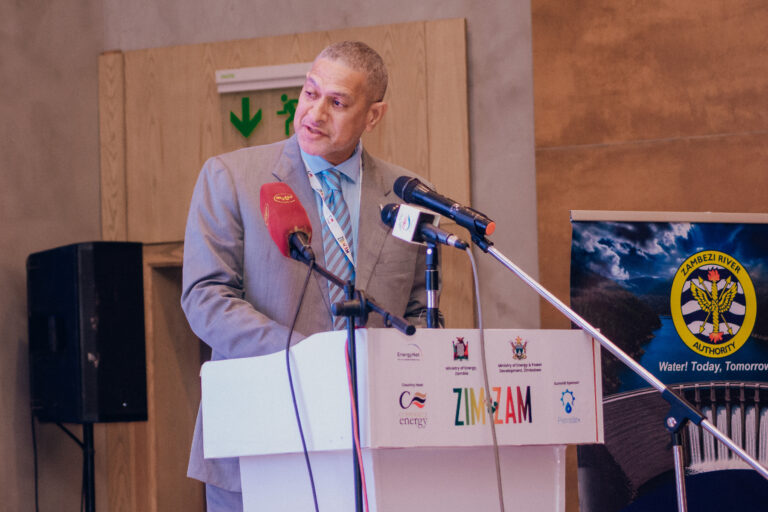
Liberalised power markets and closer cooperation across the Zambezi give Zambia and Zimbabwe a route to firmer supply and faster industrial growth, Monie Captan told the official opening of the third Zimbabwe-Zambia Energy Projects Summit in Livingstone on 3 November, where he set out how Petrodex sees cross-border power trading working. “At Petrodex, we believe that trading, generation, and distribution infrastructure must work together to deliver reliable power,” he said.
Captan joined Petrodex, a Summit Sponsor, in 2025 from public life in Liberia, where he was chief executive of the Liberia Electricity Corporation and led the Millennium Challenge Account, whose US-funded compact centred on electricity, having earlier served as Minister of Foreign Affairs.
Petrodex Energy Trading Zambia holds an electricity trading licence in Zambia and is one of the traders selling power to mining and industrial customers over ZESCO’s network under the Electricity (Open Access) Regulations of 2024, which let licensed companies pay a wheeling fee to use the national grid instead of buying through the utility.
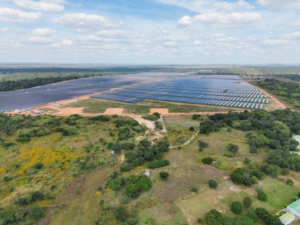
Generation sits alongside the trading business, under a memorandum of understanding signed with ZESCO in 2024 for a 400MWac solar programme in Zambia, whose first project, the Mailo Solar PV Plant, energised its initial 25MWp phase in 2025 on Petrodex’s own equity and is planned to grow beyond 100MWp, according to the company.
Across the Southern African Power Pool, Petrodex trades power between Mozambique, Zimbabwe, Zambia and the Democratic Republic of Congo, where a partner company holds a local trading licence and supplies some of the country’s largest mines, and in Zimbabwe it is working through the licensing and permits it needs to trade inside the country.
Zimbabwe’s own market is opening on several fronts, as Deputy Minister of Energy and Power Development Yeukai Simbanegavi set out at the same session, from Statutory Instrument 128 of 2026, which lets independent operators bid for 25-year renewable electricity distribution and retail licences, to a commitment to a harmonised transmission pricing method for the power pool by the end of 2026.
Hydropower on the Zambezi makes that trading more valuable, since the Zambezi River Authority has announced a cut of about 36% in the water allocated for generation at Kariba next year, which weighs most on Zambia, where hydropower makes up more than 80% of installed capacity.
“We remain committed to mobilizing private investment, expanding cross-border electricity trading, and developing practical solutions that support mining, industry, job creation, and sustainable economic growth across the region,” Captan said of Petrodex’s plans.