Power is No Longer a Commodity: Why Africa’s Energy Future Depends on Solutions, Not Megawatt-hours
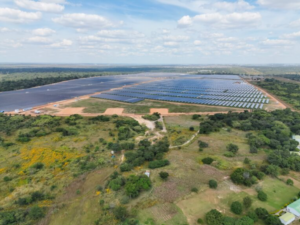
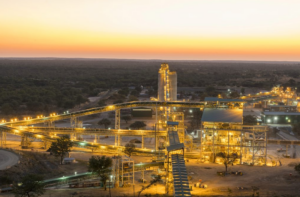
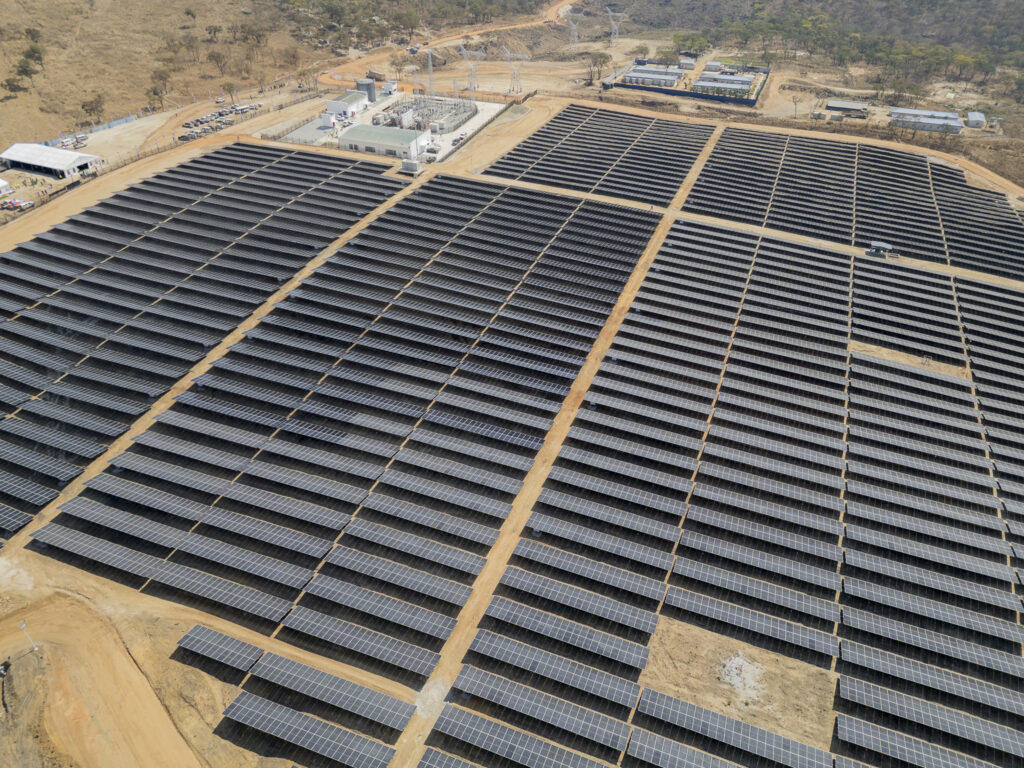
Construction can now begin near Kafue Town in Zambia’s Lusaka Province. Globeleq has reached financial close on the 40MWac Kafue solar project, with US$52.1m committed by FMO and British International Investment and a 25-year power purchase agreement with ZESCO in place. Globeleq also owns 51% of Lunsemfwa Hydro Power Company and is developing solar with battery storage at Leopards Hill. It sells to private industrial customers as well as to ZESCO. Here, Alasdair Martin, Director, Private Customer Solutions, writes for ENN on what buyers of industrial power in Southern Africa now want from the companies that supply them.
Across Southern Africa, the conversation around energy is changing.
For decades, electricity has largely been viewed as a commodity: a megawatt-hour supplied to a customer at the lowest possible cost. But as economies grow, industries expand and energy systems become more complex, industry is increasingly focused on securing reliable, resilient and sustainable power solutions that can support growth, reduce operational risk and perform in a changing climate.
Whether they are mining critical minerals, processing agricultural products, operating industrial facilities or preparing for the emergence of new energy intensive sectors such as data centres, their priority is no longer centred solely on the lowest daytime tariff. It is certainty.
Businesses need confidence that power will be available when they need it, that it will remain reliable during periods of drought or system stress, and that it will support their long-term growth plans. Across the Southern African region, security of supply and operational resilience have become strategic business priorities. This has been a recurring theme in our conversations with industrial customers throughout Zambia and beyond. That shift is changing how private power projects are developed and structured.
Customers are no longer seeking transactional energy purchases alone. No, increasingly, they want resilient partnerships built around real assets, diversified generation portfolios and shared objectives. They require transparency on where their power comes from and confidence that their provider can continue delivering through changing market conditions.
At Globeleq, we see this evolution every day.
As one of Africa’s leading independent power producers, our focus is not simply on supplying electricity. It is on developing integrated energy solutions that help our customers achieve their operational and growth objectives while strengthening the resilience of the broader power system. The demand for those solutions is accelerating. The growth of the critical minerals sector is creating unprecedented demand for reliable electricity across Southern Africa. Strong critical mineral markets are driving investment and expansion, and customers increasingly need power infrastructure to be delivered on timelines that would have seemed unrealistic only a few years ago. Traditional project development models have not always been designed for that level of urgency. As an industry, we need to find ways to move faster while maintaining the discipline, quality and risk management required to deliver successful projects.
There are encouraging signs that the region is capable of doing exactly that.
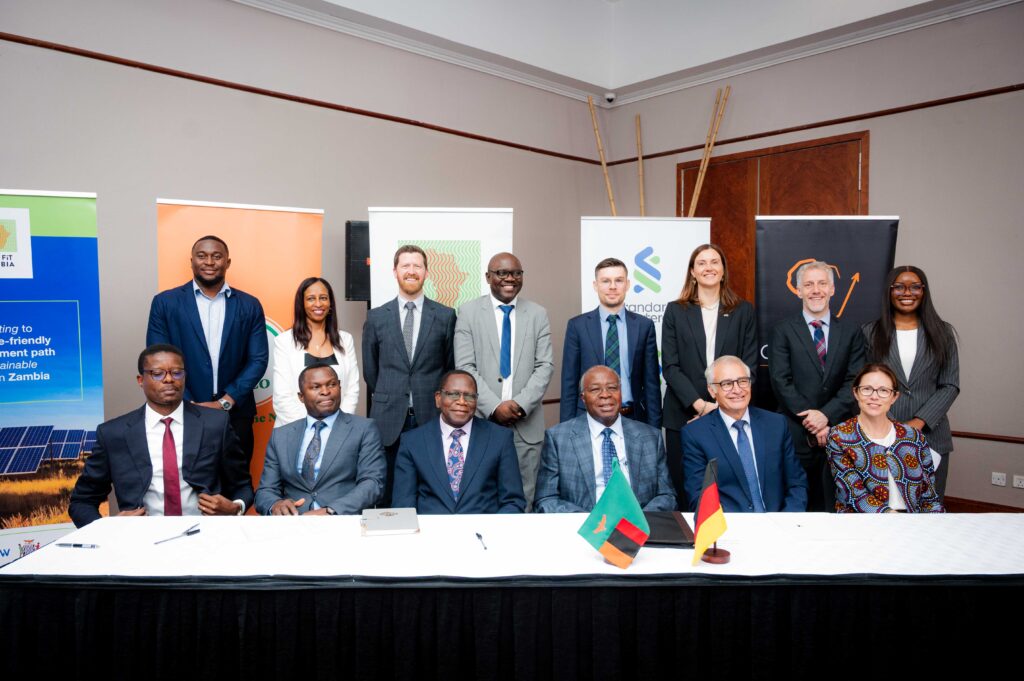
In Zambia, the recent financial close of the Kafue 40MWac Solar Project, demonstrates what can be achieved when governments, developers, lenders and other stakeholders work together with a shared objective. Projects such as Kafue show that utility scale renewable energy can be delivered successfully and can make a meaningful contribution to energy security while supporting economic growth.
Equally important is the growing recognition that different customers require different solutions.
No two mines are identical. No two industrial facilities have the same power requirements. The concept of “bankability” is often discussed in broad terms, but successful projects ultimately depend on understanding customer needs, managing risk appropriately and creating structures that remain viable over the long term. Strong counterparties, long-term commitments and balanced risk allocation remain fundamental to attracting investment and enabling new infrastructure to be built. As markets continue to liberalise, direct engagement between suppliers and customers will become increasingly important.
In my view, we are at a significant crossroads. The opportunity emerging in Southern Africa lies in moving away from viewing electricity solely as a commodity and towards recognising it as a product that can be tailored to individual customer requirements.
Power is not just about quantity. It is also about quality, flexibility, responsiveness, resilience and the ability to support a customer’s specific operating profile, and this outlook is already influencing how new projects are being developed.
Globeleq’s recent investments in Zambia demonstrate this shift in action. At Leopards Hill, where we are developing a hybrid renewable energy solution that combines utility-scale solar generation with battery energy storage, the focus is not simply on adding generation capacity. It is about delivering a more flexible, resilient and reliable power solution that can better meet future customer and system requirements.
Similarly, through the Lunsemfwa Hydro Power Company, one of Zambia’s most established renewable energy platforms, we are demonstrating how hydroelectric generation can be complemented by new solar capacity to strengthen system reliability, diversify generation sources and improve resilience in the face of changing climatic conditions.
Together, these projects illustrate how combining solar, battery storage and hydro generation can create a more resilient and flexible energy mix that is better suited to increasing electricity demand, growing industrial activity and the realities of a changing climate.
This regional perspective is critical.
Southern Africa’s greatest energy opportunity lies not only in developing new generation assets, but in building a more interconnected and diversified power system. The Southern African Power Pool remains one of the continent’s most important strategic advantages. By combining hydro, solar, wind, battery storage and transmission infrastructure across multiple markets, the region can improve reliability, enhance resilience and unlock the economies of scale and diversity.
The challenge ahead is not whether demand for electricity will grow. It will.
The question is whether the energy sector can adapt quickly enough to provide the solutions that customers need. That means moving beyond megawatt-hours and tariffs alone. It means focusing on reliability, resilience, speed of delivery, partnership and long-term value creation. Most importantly, it means recognising that power is no longer simply a commodity. It is a strategic enabler of economic growth, industrial competitiveness and Africa’s sustainable energy future.
Images: Globaleq