Finnfund on building a bankable pipeline for Africa’s clean energy transition
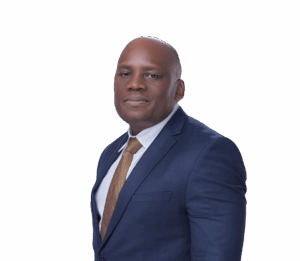
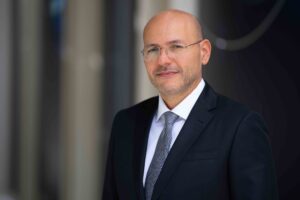
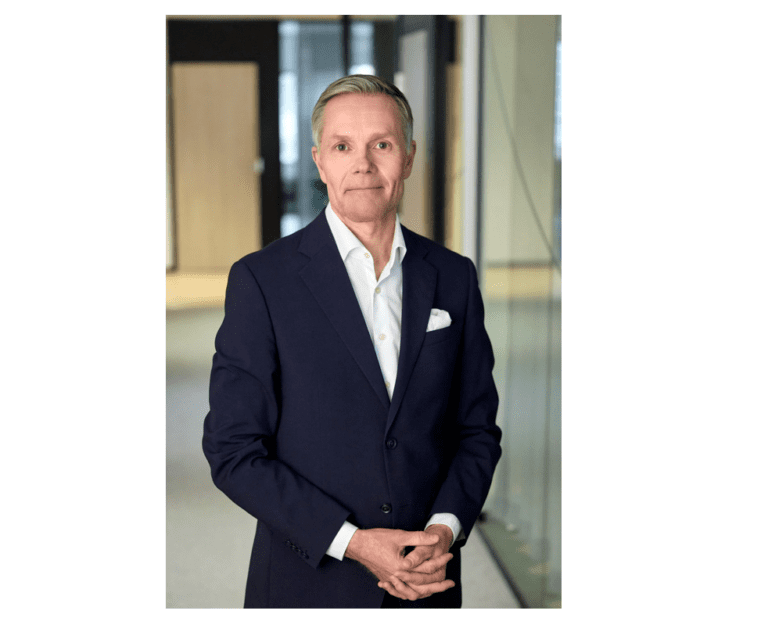
Finnfund, the Finnish development financier and impact investor, has joined the Nordic-Africa Clean Energy & Mobility Cluster, a platform bringing together companies, financiers and public-sector actors from the Nordics and Africa to accelerate clean energy and mobility. ENN spoke with Jussi Tourunen, Head of Energy and Infrastructure portfolio at Finnfund, about why the organisation joined, what it wants from the next twelve months, and what it will take to move more African energy projects to financial close.
Why did Finnfund decide to join the Nordic-Africa Clean Energy & Mobility Cluster?
The Nordic–Africa Clean Energy & Mobility Cluster is a collaborative platform that brings together companies, financiers, and public-sector actors from the Nordics and Africa to accelerate clean energy and mobility solutions.
Finnfund was not involved in establishing the cluster, but we joined early on because it addresses a very real gap we see as an investor: strong interest and promising opportunities exist, but too few projects reach the scale and structure required for investment.
For us, the value of the cluster lies in its ability to:
- Bring together complementary partners across the value chain
- Strengthen the pipeline of bankable, investment-ready projects
- Create a more coordinated approach to opportunities that often remain fragmented
At the same time, we contribute our experience as a development financier — including structuring investments in challenging markets, working with local partners, and supporting scalable infrastructure projects. The cluster is therefore a two-way platform: we both bring capital and expertise, and benefit from stronger collaboration and deal flow.
What are you hoping to achieve through the cluster over the next 12 months?
Over the next 12 months, our focus is on turning collaboration into concrete investment opportunities.
Specifically, we hope to:
- Identify and develop projects that are viable from both an impact and investment perspective
- Work with partners to ensure projects are structured in a way that allows them to attract financing
- Build consortia where roles are clear — combining developers, technology providers, and investors
From Finnfund’s perspective, we also see the cluster as a way to:
- Bring forward investment opportunities aligned with our mandate, particularly in energy infrastructure that supports economic growth
- Share insights on what makes projects bankable, based on our experience across emerging markets
- Help bridge the gap between early-stage ideas and investment-ready transactions
Ultimately, success for us would mean that over the next year we see a tangible pipeline of projects emerging from the cluster that can move towards financing decisions.
What needs to happen to accelerate investment into Africa’s energy transition?
The fundamentals for investment are strong — demand is growing rapidly, and the renewable resource base is exceptional. The challenge is less about capital availability globally, and more about how to channel that capital into viable projects at scale.
A few things are critical.
First, we need more bankable projects. Many opportunities are promising from a development perspective, but they need stronger structuring, clearer revenue models, and risk allocation that works for investors.
Second, risk-sharing mechanisms are essential. In many markets, real or perceived risks can prevent otherwise sound projects from reaching financial close. Instruments such as EU-backed guarantees and blended finance structures play a key role here — they can absorb certain risks and help crowd in private capital at scale.
Third, investment needs to take a more system-level view. It’s not just about generation — it’s about grids, storage, mobility, and the broader infrastructure that enables reliable and affordable energy systems.
At Finnfund, this is also where our Planetary Boundaries investing framework approach comes in. We are looking at investments not only in terms of climate impact, but in how they support long-term, sustainable economic systems within ecological limits. That means prioritising solutions that are both scalable and sustainable, and that contribute to broader development outcomes.
Ultimately, accelerating investment will require stronger collaboration across the value chain, better project preparation, and financial structures that align risk and return in a way that works for a wider pool of investors.
What conversations are you hoping to have at AEF 2026?
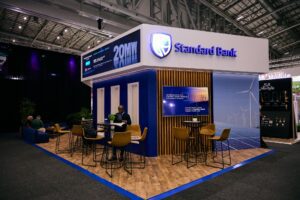
At Africa Energy Forum 2026, we are particularly interested in conversations that move beyond ambition to practical pathways for scaling investment.
For us, that includes:
- How to structure projects so they can move more efficiently towards financial close
- How to use blended finance and guarantee instruments, including EU-backed mechanisms, to mobilise larger volumes of private capital
- How to develop energy systems that support industrialisation, digitalisation, and economic growth, not just individual assets
Another important topic for us is how to ensure that investments align with long-term sustainability. Our planetary boundaries approach means we are not only looking at emissions reductions, but at how energy investments contribute to resilient systems that operate within environmental limits while supporting development.
AEF is valuable because it brings the full ecosystem together. For Finnfund, success would mean leaving the forum with stronger partnerships, clearer investment opportunities, and concrete next steps towards deploying capital into impactful energy projects.