South Africa gas procurement approaches the decision its LNG market depends on
Four bids totalling around 2,800MW were submitted against a 2,000MW target when the window closed on 29 May. IPP Office head Precious Edward has said the programme remains on the timeline communicated to the market, which put preferred bidders roughly three months after close.
Four bids arrived offering around 2,800 megawatts against a target of 2,000, which is the first time South Africa’s gas-to-power procurement has been oversubscribed since the request for proposals was issued in December 2023. What happens to those bids determines whether the country builds an LNG import market at all.
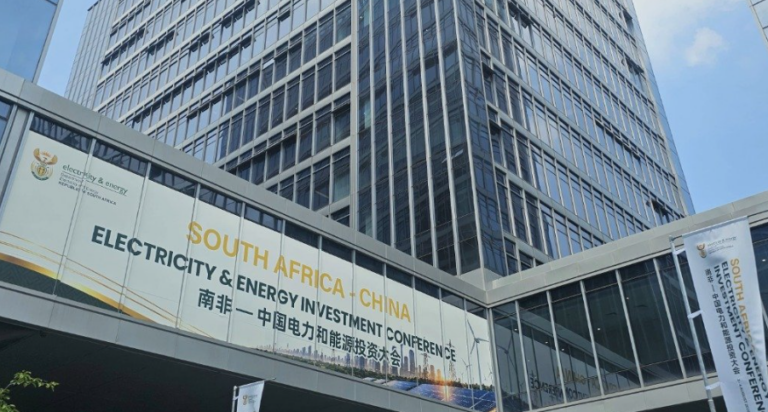
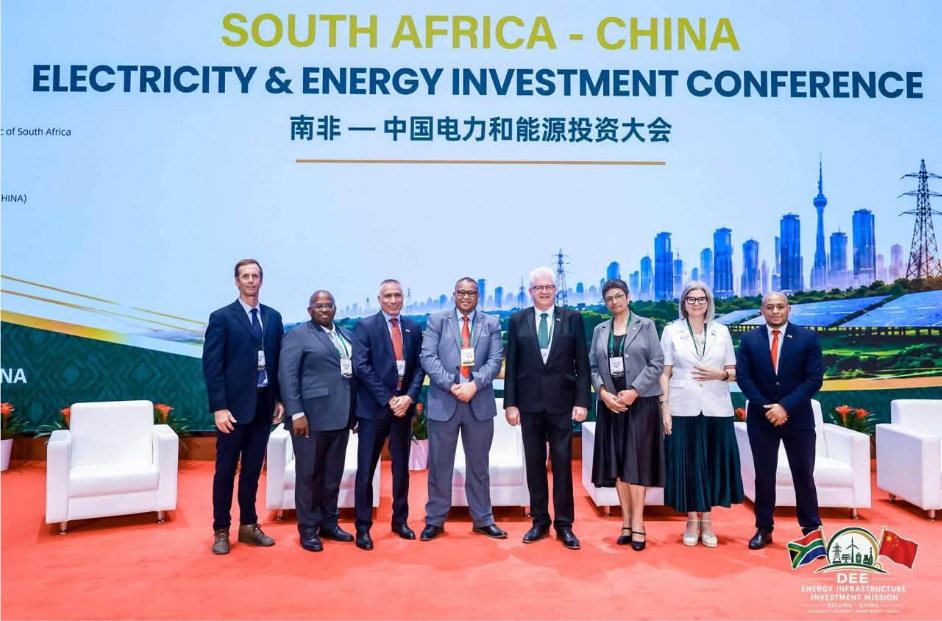
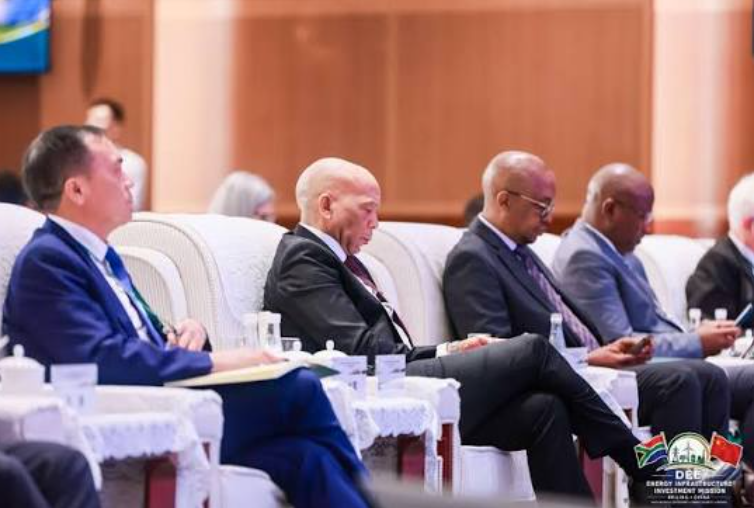
Speaking at the South Africa-China Energy Partnership Conference in Beijing in early August, Independent Power Producer Office head Precious Edward said evaluations were at an advanced stage and the programme remained within the timeline given to the market, with no date changes foreseen. That timeline targeted a preferred bidder announcement approximately three months after the 29 May bid submission date, and financial close approximately four months after the announcement.
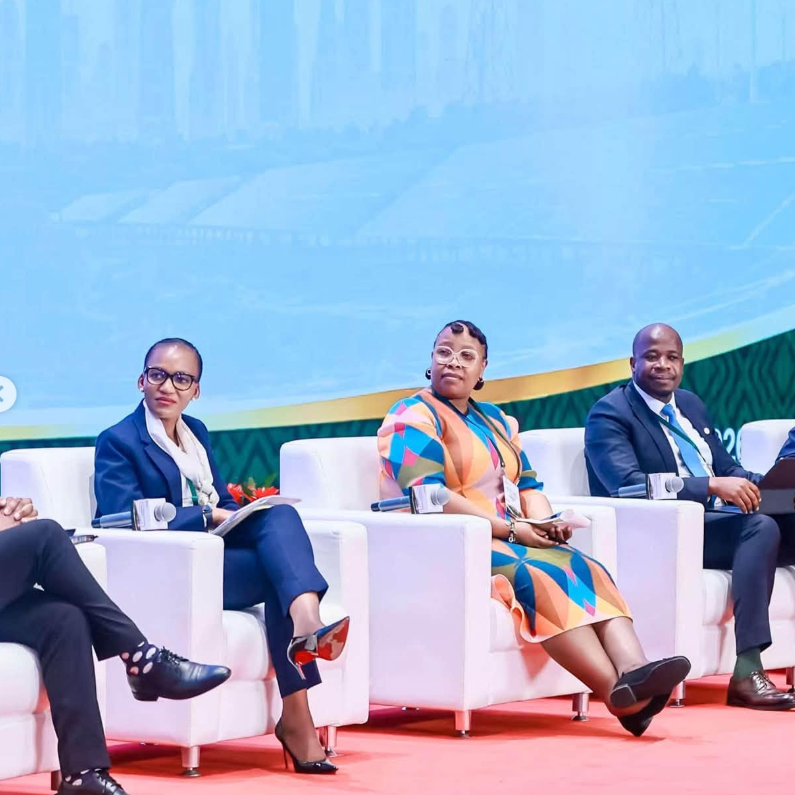
Standard Bank’s Paul Eardley-Taylor has described the appointment as the tipping point for the whole sector, and put the alternative plainly, which is that the process falls over if the IPP Office does not select preferred bidders. South African banks have already backed the bids submitted, which he reads as evidence of financing appetite if the procurement progresses.
The dependency runs in one direction. Nobody finances an import terminal without demand certainty, and gas-fired generation under a government-backed power purchase agreement is the only demand of a scale that supports one. Assuming preferred bidders are appointed, financing for LNG terminals, associated pipelines and related infrastructure could begin progressing during 2027 as developers work toward their own final investment decisions.
The procurement has already been reshaped once to make that work. Amendments issued before the final deadline moved the load factor range from 25 to 65 per cent up to a band evaluated at 50 and 60 per cent, in line with the Integrated Resource Plan 2025, which anticipates 6,000MW of gas-fired capacity by 2030 and 16,000MW by 2039. Bidders remain responsible for sourcing their own fuel and carrying supply and delivery risk, and for securing environmental approvals and grid access.
Two other South African processes are running in parallel and both bear on this one. The wholesale market rules are in their third draft with a comment window closing on 28 August, and the transfer of transmission assets to an independent system operator has entered negotiations with Eskom’s creditors. A gas plant needs a grid connection and a market to sell into, and neither is settled.
What the decision determines is not which companies win. It is whether a decade of LNG import planning has a buyer at the end of it.
Photos: Creamer Media & SANEDI