South Africa transmission split turns on creditor consent for 33,199km of grid
Advisers are due within weeks to open negotiations with the banks and funders holding Eskom’s high-voltage assets as security. Valuation and the treatment of municipal debt sit beside that conversation, and Eskom itself has asked that any transfer wait until risks to its finances are addressed.
South Africa is preparing to appoint advisers to negotiate with the lenders who hold Eskom’s transmission assets as security, and until those lenders consent, no part of the national grid changes hands.
Three questions sit inside that negotiation. The consent itself, the valuation of the assets, and the treatment of municipal debt. Each is capable on its own of determining whether an independent Transmission System Operator exists in practice or only on paper, and none has a published timetable attached to it.
What has been settled is the destination. President Cyril Ramaphosa endorsed government policy for an independent, state-owned TSO that owns the lines outright, closing months of argument over whether the assets stay inside Eskom Holdings. The commercial work of getting there is what now begins.
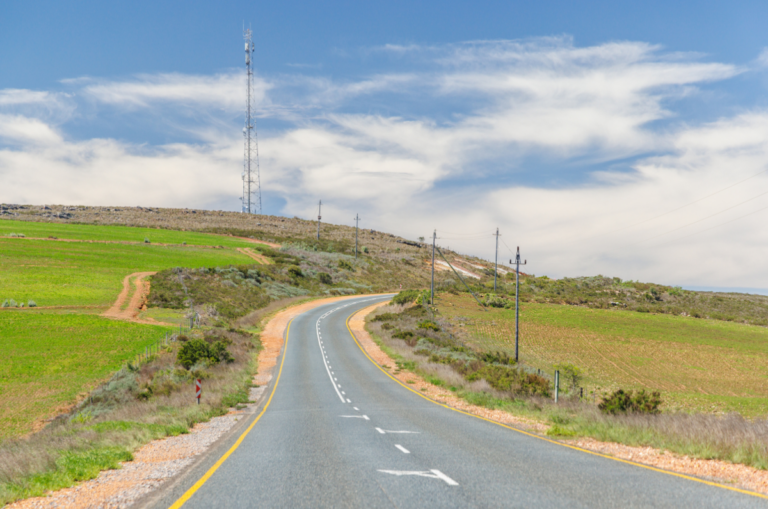
The structure has been contested since Ramaphosa announced the unbundling in February 2019. Eskom’s transmission arm already exists as a legally separate subsidiary, the National Transmission Company South Africa, which took 374 transmission lines running to 33,199km, 500 three-phase transformers and 169 substations when the division transferred in December 2021. Ownership was the unresolved part. In December 2025, Electricity and Energy Minister Kgosientsho Ramokgopa approved a revised structure under which NTCSA would remain a wholly owned Eskom subsidiary holding the assets. Creditors and foreign government funders objected, and Ramaphosa reversed course in his February 2026 State of the Nation Address, appointing a restructuring task team under National Treasury director-general Duncan Pieterse.
Eskom’s own position is that the transfer should wait until risks to the utility’s finances and its lenders are addressed, and board chairperson Mteto Nyati has been cautious about timing. Nyati’s term runs to the end of October. Group chief executive Dan Marokane has meanwhile described the utility tooling up to compete as a trader in its own right rather than resisting a market’s existence, which is a different posture from the one Eskom held two years ago.
The case for separation is the one made wherever it has been attempted. An integrated utility that owns the grid and sells the power has an incentive to favour its own generation, and independent producers will not build against a counterparty that is also a competitor. The Electricity Regulation Amendment Act, in force since January 2025, already assigns the TSO responsibility for system operation, market operation and transmission operation, alongside the role of central purchasing authority.
What that Act cannot do is move an asset a lender holds a charge over. Three markers now sit on the calendar, the adviser appointments in the coming weeks, Eskom’s approach to coal decommissioning beyond 2030 which Marokane has said will be set out in September, and the end of Nyati’s chairmanship in October. South Africa has decided what it wants its grid to look like, and everything after this is commercial.