Will Kenya achieve its 2030 electricity target? Kenya Power boss says yes, and explains
By Evans Ongwae
Four years remain to 2030 – the year Kenya had set as the target for achieving universal access to electricity. Will this be met? Is the country on track?
The Managing Director and CEO of Kenya Power, Dr Eng Joseph Siror, is of the view that Kenya is firmly on course with this. With Kenya Power being the sole supplier of electricity to end users throughout the country, Dr Eng Siror sits at a vantage position to give a believable assessment.
He attributes his belief to the sustained investments, lasting partnerships, and accelerated implementation of initiatives aimed to expanding access to electricity across the nation.
In 2014, the population’s access to electricity was about 30 percent. Today, it is approximately 76 percent. Consequently, Kenya Power’s customer base now exceeds 10 million customers. This places Kenya among the leading countries in Sub-Saharan Africa in terms of electrification progress.
Dr Eng Siror explains that the country has a clear roadmap to achieving universal electricity access within the next four years.
The Kenya National Electrification Strategy 2025-2030 identified the unconnected households and the most practical and cost-effective way of reaching them.
“The government is on course to mobilise necessary capital – both private and public – towards connecting the identified customer clusters both on-grid and off-grid,” says the Kenya Power MD and CEO.

A major driver of the progress attained so far has been the Last Mile Connectivity Programme (LMCP). This programme was specifically designed to accelerate access by connecting households located near existing electricity infrastructure at affordable cost.
The LMCP has been one of Kenya’s most impactful electrification initiatives. Its objective is to remove the financial barrier that prevents many households from getting connected even when electricity infrastructure is already close to them. Through this programme, Kenya has significantly accelerated household electrification, particularly in rural and peri-urban communities.
To date, LMCP has connected over two million customers across all 47 counties through five implementation phases, supported by a total capital investment of approximately Ksh91 billion. This has supported improvements in education, healthcare, street lighting, household welfare, communication, and small business activity.
One of its biggest successes has been making electrification more inclusive by reaching lower-income rural households that would otherwise have struggled with connection costs. Last mile beneficiaries pay a highly subsidised connection fee with no upfront payment required prior to connection. An interest-free StimaLoan repayment plan deducts connection costs directly from prepaid token purchase until fully paid. It has also improved utilisation of existing network infrastructure, making prior investments more productive.
Kenya’s universal access strategy is based on a mix of solutions rather than relying solely on traditional grid expansion. The plan is to connect the remaining number of households by 2030 through a combination of grid extension and off-grid technologies.
There will be continued grid densification, where households in densely populated areas located close to existing electricity infrastructure are connected at relatively lower cost.
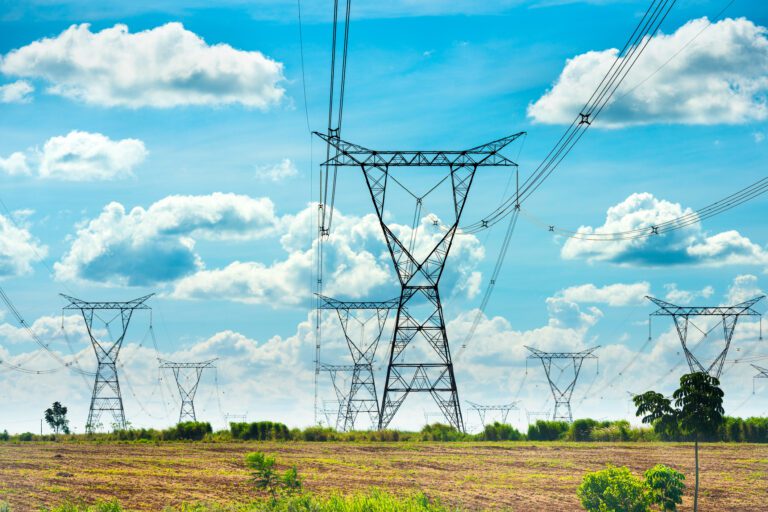
Secondly, grid intensification will be implemented to strengthen and extend existing distribution networks through additional transformers, feeder reinforcement, and medium and low-voltage extensions to accommodate more customers while maintaining service reliability.
Thirdly, there will be targeted grid expansion into growth centres, less densely populated and underserved settlements, as well as economically strategic areas located further from the existing network. This will entail HT (High Tension) extensions in the electricity distribution network, which will involve extending high-voltage primary lines, including installation of transformers and LV line extensions.
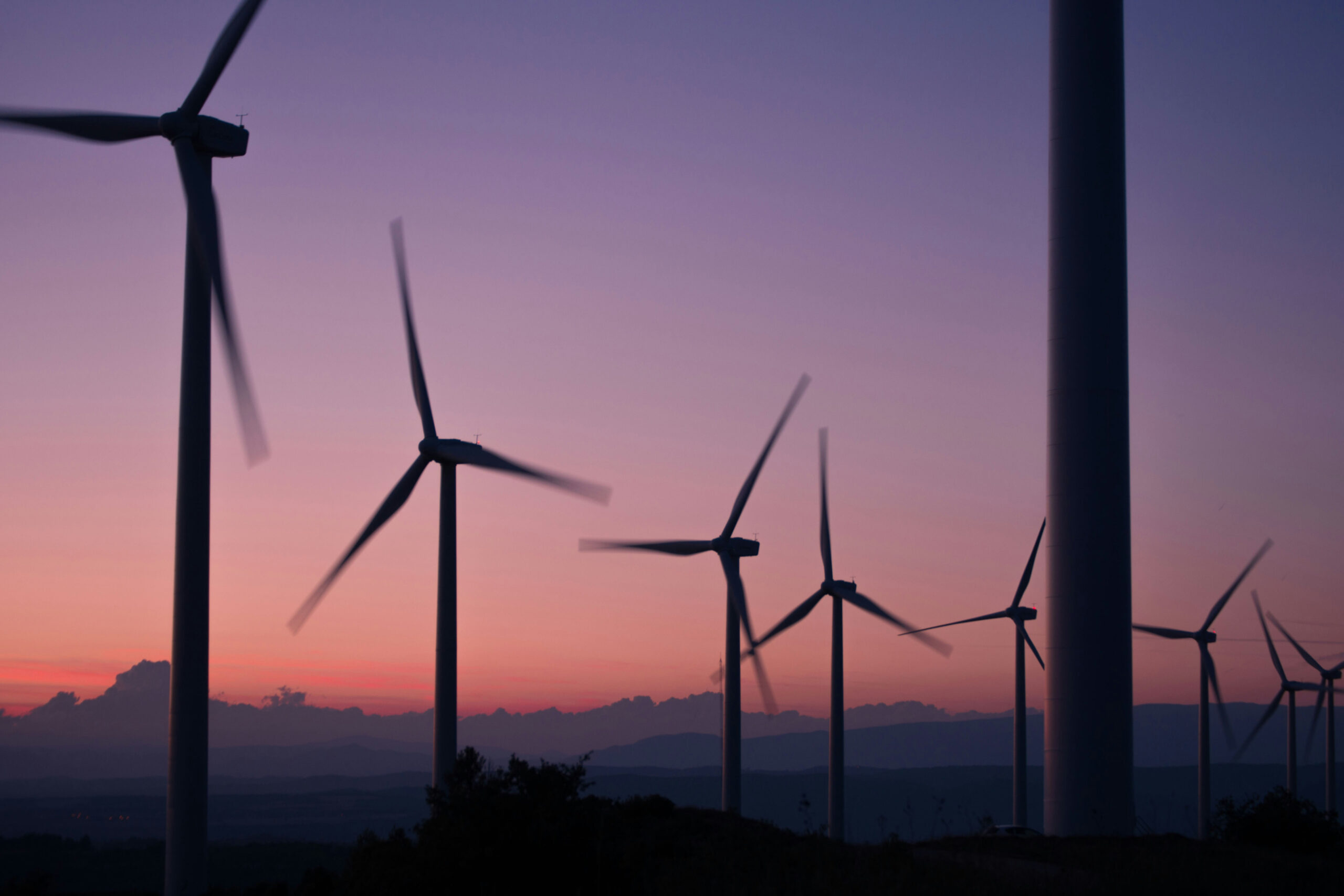
For more remote locations where extending the national grid is not commercially or technically practical, distributed renewable energy (DRE) mini-grids are being implemented and will play an important role, particularly in population clusters located in sparsely populated regions. DRE mini-grids are electricity systems that generate power from renewable sources like solar or wind, to supply local communities, businesses, or institutions. They are crucial for providing reliable, clean, and cost-effective electricity to remote areas. Related to this, the existing diesel-powered mini-grids are progressively being converted to solar-hybrid systems.
Lastly, for the most isolated households and institutions, standalone solar solutions will be implemented and will provide the quickest and most cost-effective pathway to access.
Dr Eng Siror asserts that Kenya’s electrification journey is one of the country’s major infrastructure success stories. “In just over a decade, we have made significant progress in expanding access and improving energy inclusion,” he explains.
However, the final stretch towards universal access will require even greater focus because the households that remain unconnected are the most difficult and expensive to reach. This calls for continued collaboration between government, utilities, development partners, the private sector, and local communities.
The Kenya Power MD and CEO points out that universal electricity access is about much more than lighting homes. It is about enabling education, improving healthcare, supporting enterprise, creating jobs, enhancing security, supporting agriculture, spurring growth in mobile telecommunication and internet access, and unlocking economic opportunity. Kenya has built strong momentum, and with sustained commitment, the 2030 target remains within reach.