Africa’s energy transition is lived in the kitchen
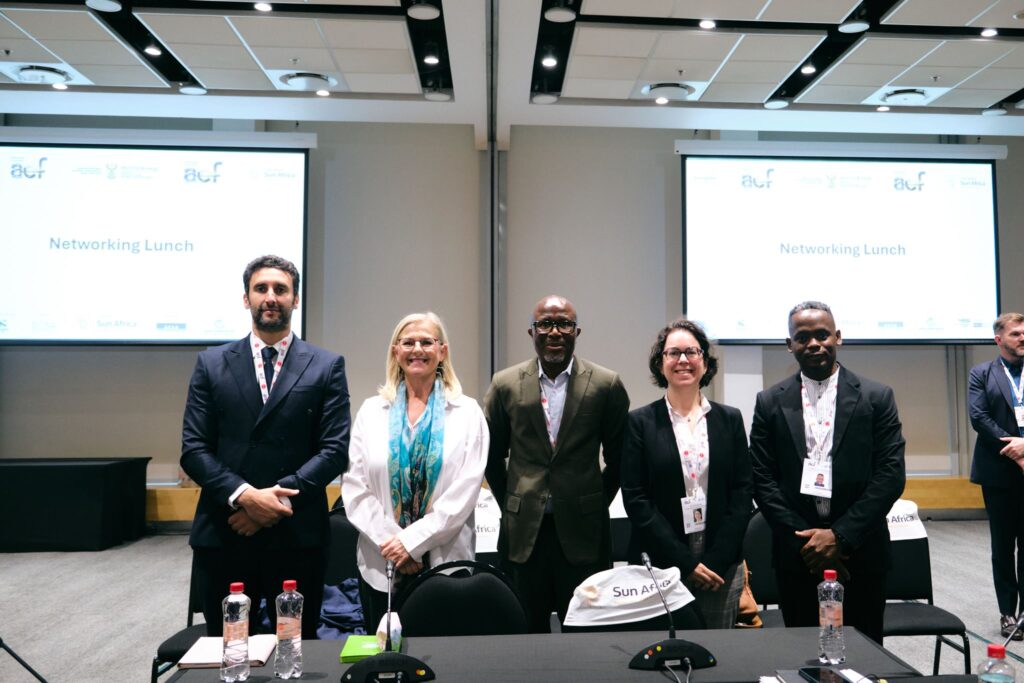
Clean cooking reaches fewer headlines than generation and touches more lives. At AEF, South Africa’s Samantha Graham-Maré and the World Health Organisation’s Heather Adair-Rohani argued that it is a matter of health and dignity, and that progress should be counted in households reached rather than commitments made.
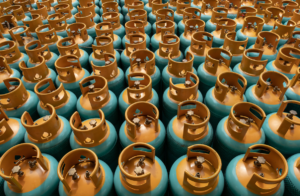
Zafiri, a blended-finance vehicle managed by Inspired Evolution, launched at the Africa Energy Forum with $176 million to reach communities the grid does not, and it named clean cooking enterprises among the businesses it will back, alongside mini-grids and solar home systems. Clean cooking rarely features in the financing headlines, so naming it in a fund of that size marks a small shift in where it sits. For the households that need it, though, the transition is felt at the stove, in the daily work of feeding a family.
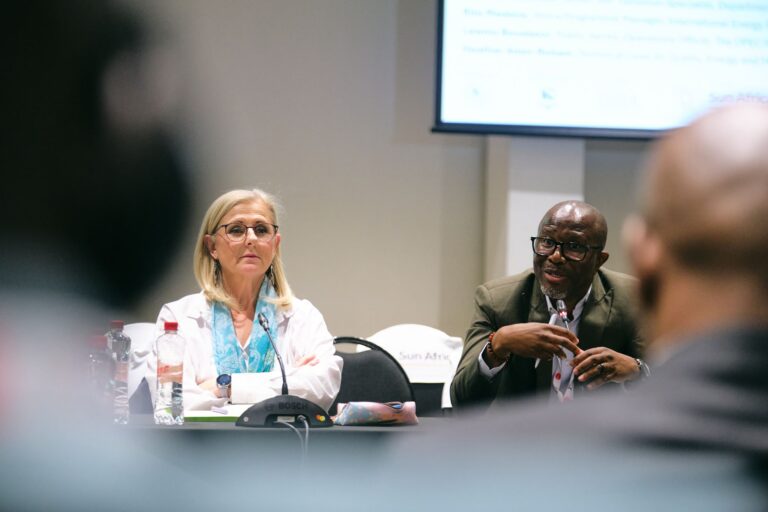
Samantha Graham-Maré, speaking as South Africa’s Deputy Minister of Electricity and Energy, put clean cooking where the country meets it, in the home rather than the policy paper. “People don’t experience the energy transition through policy documents or international declarations,” she told the forum. “They experience it in their homes and their daily lives.” The distinction matters, because clean cooking is the part of the access story most easily lost between the megawatts and the ministerial communiqués, and the part that shapes a household’s day most directly.
For the World Health Organisation it is a health question before an energy one. The smoke from open fires and basic stoves is one of the largest health risks people carry in their own homes, and it falls most heavily on the women and children closest to the cooking. “Make the available clean, and the clean accessible,” said Heather Adair-Rohani, setting the task in plain terms, cleaner fuels where people already cook and the cleaner options brought within reach where they are not.
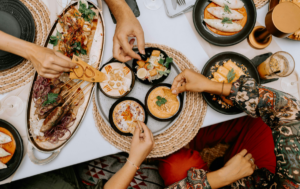
That places clean cooking inside the same drive as Mission 300, the World Bank and African Development Bank effort to connect 300 million people across sub-Saharan Africa by 2030. Access on the ground is rarely a single switch. A household can gain a grid connection or a solar system and still cook over charcoal or wood, which is why clean cooking tends to be counted last and reached last, even as it touches daily life first.
What Graham-Maré pressed for was a change in how success is judged, not the size of the fund or the length of the declaration, but what actually changes in the home. On that measure the gap is wide and the progress is real, and it is the households reached, rather than the commitments logged, that show whether the work is landing.
“Success should be measured not by the number of commitments we make,” she told the forum, “but by the number of households whose lives were improved.”