Pioneering doesn’t pay, but it might just change Africa
Kwama Energy’s Ilute solar project reached financial close in January as what its chairman Sipho Phiri calls Africa’s first non-recourse merchant power station. He spoke to ENN about why bankability, not sunlight or wind, is the real constraint on Zambian power, and why proving one model matters more than any single plant.
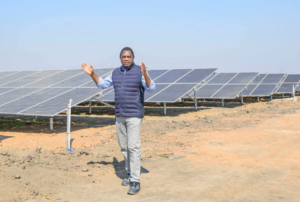
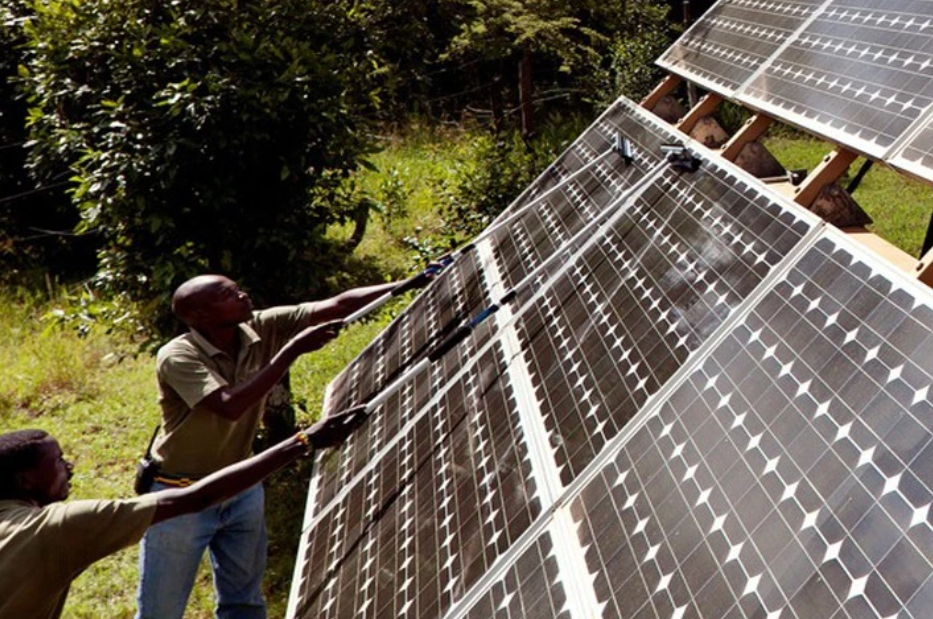
“Pioneering doesn’t pay,” Sipho Phiri said, quoting the industrialist Andrew Carnegie. “Never understood the phrase until I went into trying to become an IPP.” The chairman of Kwama Energy has spent more than a decade learning it. Western Power Company, the 180MW hydro project where that education began, was registered in 2009 and took until 2012 to secure its first funding. Ilute, the 32MW solar plant that reached financial close this January, is among the smallest in a pipeline that runs to a 230MW solar project, 200MW of wind in the first phase of Unica and 150MW more in the second. It is also, he says, the most exciting, and the reason is not its size.
“The key issue for IPPs is bankability,” Phiri said, and the model the sector inherited never solved it. He described being invited once to speak at a conference in Egypt, and never invited back, after he questioned the orthodoxy to its face. The private sector was being asked to sell power to “a generally defunct or non-bankable state utility” and then to secure a state guarantee to make the deal financeable. “The countries didn’t have the balance sheets, the offtakers as the state utilities didn’t have the balance sheets. So bankability became the core problem and remains the core problem in the region and across Africa.”
Ilute was built to break that circle. Phiri calls it “Africa’s first non-recourse project finance merchant station”, and the term non-recourse is the whole point, since the project is financed against the electricity it sells into the market, not against a government promise to cover it. “A merchant station, every other continent on the planet, you can develop a merchant station and sell to the market, except for Africa.” Convincing lenders to accept that was its own pioneering act. FMO, the African Development Bank and others backed it, with Africa GreenCo acting as trader on the other side, providing what Phiri called a liquidity buffer that made the trading structure bankable. “Kudos to them,” he said of the banks. “They took, bankers, I’m a former banker, so I can criticize bankers, but they started something new for Africa.”
The purpose was always demonstration rather than the megawatts themselves. “The whole point of this was to try and show that it works. Show to the bankers, show to the state, show to EPC contractors that this model can work.” If it does, he argues, the sector can move at a speed the old model never allowed. “Developers across Africa can push this model very, very quickly, much quicker than trying to get a state guarantee.” His analogy is a tomato market, where supermarkets will not buy in bulk unless enough tomatoes arrive, and growers will not plant unless they can finance the crop against a viable market. Ilute’s electrons, feeding into the Southern African Power Pool, are meant to help break that chicken-and-egg. “Success will breed success, and developers won’t have to suffer like us for 10 years trying to get a 32 megawatt power project off.”

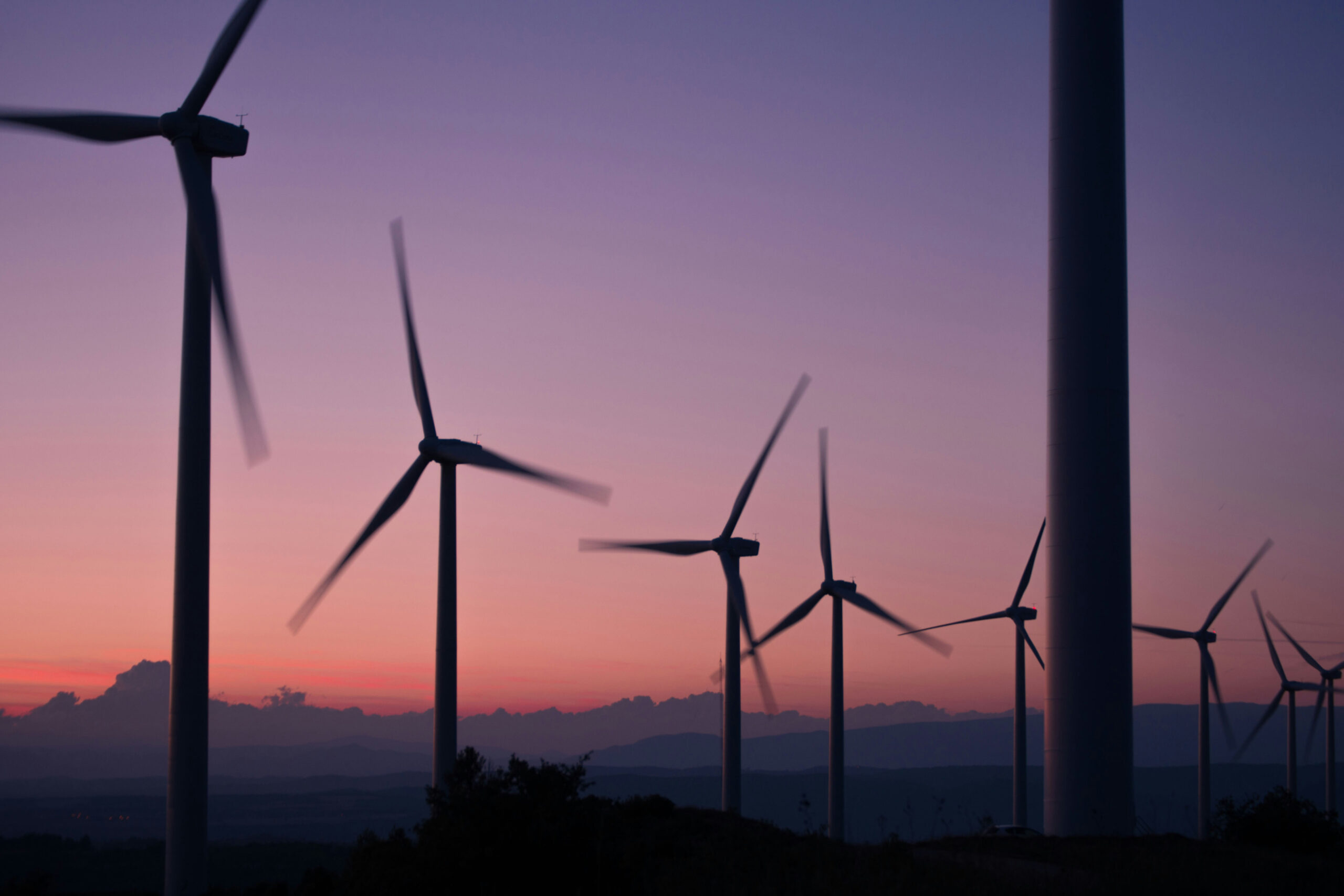
The stakes are set by arithmetic. “For Zambia to achieve its 8th national development plan, Zambia has to bring on 200 megawatts at least every six months for the next 10 years.” Measured against a 32MW project that took a decade, the gap is stark, and it is why the next projects have to come faster. Phiri is candid that the hard part is not the resource. Wind, he notes, “blows mainly at night in Zambia”, making it a natural complement to daytime solar and to hydro at its seasonal lowest. “It’s extremely complementary to the energy mix.” The obstacle is always the same. “How do you prove that it’s doable in Africa? How do you build the engineering, the backup infrastructure? The pioneering part is the painful part, but once it’s in, people can see it’s done, it’s working.”
What Kwama is really building, then, is a track record. “As an African developer, we can deliver,” Phiri said, describing the unglamorous disciplines the company is proving it can hold, monitoring EPC contractors, managing operations and maintenance, running the asset. Behind it sits a conviction he returns to more than once. “Development of Africa is only going to come, it’s energy first. Without energy, you can have no development.” Critical minerals are part of that case, and not only the digging. “Not only extractive, but even the value addition,” he said, and both sides, extraction and processing, “need to know that there’s a regular, efficient, cost-effective source of energy.” Kwama, he says, intends to be well placed to provide it. “With that comes jobs, and with that comes extra farming, up the development curve. But we have a firm belief it’s all about energy. And we want to provide that for Zambia and for the region.”